
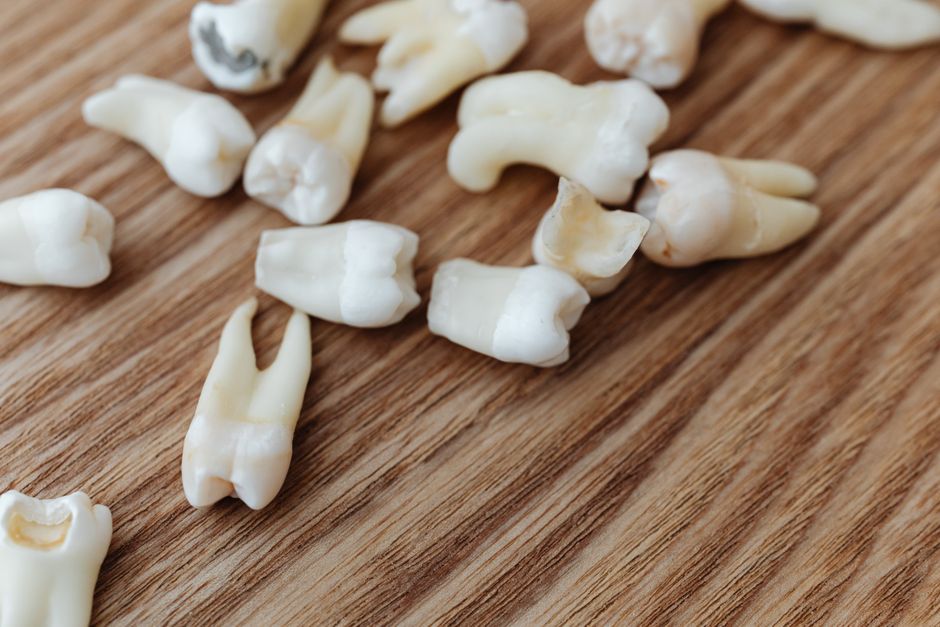
Tooth decay is not a sudden event. It is a slow, predictable process that happens in stages over months or even years. Understanding these stages matters because each one has a different treatment path, and the earlier you catch it, the more of your natural tooth you keep. Here is the five-stage process explained clearly, from the very first invisible changes to the point where the tooth can no longer be saved.
What Exactly Is Tooth Decay?
Tooth decay is the destruction of your tooth structure caused by acid. That acid does not come from the food itself. It comes from bacteria that live naturally in your mouth. When you eat sugars and refined carbohydrates, these bacteria feed on them and produce acid as a waste product.
That acid attacks the hard outer layer of your tooth, called enamel. Enamel is the hardest substance in the human body, but it is not invincible. Over time, repeated acid attacks wear it down. When the enamel breaks, the decay moves into the softer inner layers. The process is entirely preventable and entirely reversible in its earliest stage.
Stage 1: Demineralization — The Invisible Beginning
This is the very first stage of decay, and it is completely invisible to the naked eye. No cavity exists yet. No pain exists either. What happens is a chemical change at the microscopic level.
Your saliva constantly works to balance acids in your mouth. When you eat, acid levels rise. Your saliva neutralizes that acid and helps repair minor damage. This is a continuous cycle of attack and repair. Problems start when the acid attacks happen too often for the saliva to keep up.
When acid wins, minerals like calcium and phosphate are pulled out of your enamel. This is called demineralization. The enamel becomes weaker and more porous, but the surface is still intact. At this stage, the decay can be stopped and even reversed. Remineralization happens when fluoride, calcium, and phosphate are put back into the enamel. Good oral hygiene and fluoride toothpaste are enough to reverse this stage.
A white spot on the tooth is often the first visible sign. It marks the area where minerals have been lost. Many people mistake this for staining. It is actually the earliest warning sign of decay.
Stage 2: Enamel Decay — The First Cavity Forms
If demineralization continues, the enamel surface eventually breaks. This is the point where a true cavity forms. It is a physical hole in the tooth, and it cannot be reversed at home. Once the enamel is broken, the tooth cannot heal itself.
At this stage, you still may not feel anything. Early enamel cavities are often painless because enamel has no nerves. The cavity may appear as a brown or dark spot on the tooth surface. It can be small and shallow, but it is permanent damage.
This is the stage where a dentist will typically place a filling. The decayed part of the enamel is removed, and the hole is filled with a restorative material. Catching decay here is the best outcome because the treatment is simple, quick, and preserves most of your natural tooth.





Stage 3: Dentin Decay — When Pain Begins
Beneath the enamel is a softer layer called dentin. Dentin makes up most of the tooth structure. It is less mineralized than enamel, which means acid destroys it faster. Once decay reaches dentin, it spreads more quickly.
Dentin contains microscopic tubules that connect to the nerve of the tooth. This is why pain starts at this stage. You may feel sensitivity to hot, cold, or sweet foods. The pain may come and go. It may be sharp but brief.
The cavity is now deeper and wider. A filling is still possible, but the dentist must remove more of the tooth structure. In some cases, the decay is close enough to the nerve that the dentist needs to place a special medicated liner under the filling to protect the nerve. Early treatment at this stage can still save the tooth, but the filling is larger and the tooth is weaker.
Stage 4: Pulp Infection — The Nerve Is Involved
The pulp is the innermost part of the tooth. It contains the nerves, blood vessels, and connective tissue. When decay reaches the pulp, the bacteria themselves invade the tissue. This triggers inflammation, which is the body’s immune response.
This stage is distinctly painful. The pain becomes severe and may linger long after the trigger is gone. You may have spontaneous pain that wakes you up at night. The tooth may hurt when you bite down. Hot foods and drinks often cause intense pain that lasts for minutes.
At this point, the pulp becomes infected. The infection can spread down the root into the surrounding bone. A filling is no longer enough. The standard treatment is a root canal. The dentist removes the infected pulp tissue, cleans the inside of the tooth, and seals it. This saves the outer structure of the tooth while removing the source of infection.
If left untreated, the pulp will eventually die. The severe pain may suddenly stop because the nerve tissue is dead. This is not a sign of healing. It is a sign that the infection has progressed further.
Stage 5: Abscess — The Infection Spreads Beyond the Tooth
This is the final and most dangerous stage of tooth decay. When the pulp dies completely, bacteria continue to multiply inside the tooth. They escape through the tip of the root into the jawbone. This creates a pocket of pus called an abscess.
An abscess is a serious infection. It causes throbbing pain, swelling in the face or gums, fever, and a bad taste in the mouth. The tooth may feel loose. The swelling can spread to your neck or other parts of your face. This is a medical emergency.
Treatment at this stage is more involved. The dentist may drain the abscess and prescribe antibiotics to control the infection. A root canal may still be possible if the tooth structure is intact enough. In many cases, however, the tooth is too damaged to save and must be extracted.
An untreated abscess does not resolve on its own. The infection can spread to other parts of the body, including the brain or bloodstream. This can become life-threatening. If you have facial swelling, difficulty breathing, or difficulty swallowing, seek emergency care immediately.
How Long Does Each Stage Take?
The timeline is highly variable and depends on many factors. Your diet, saliva flow, oral hygiene habits, and genetics all play a role. There is no fixed schedule for how fast decay progresses.
What is known is that the process is slow. Research consistently shows that it takes months to years for a cavity to progress from the enamel to the dentin. The progression from dentin to pulp can be faster because dentin is softer and less resistant to acid.
The key takeaway is that you have time. Regular dental checkups catch decay in the early stages when treatment is simple. Waiting until you feel pain usually means the decay has already reached the dentin or pulp. Pain is a late sign, not an early one.
Can You Reverse Tooth Decay?
Yes, but only at stage one. Demineralization can be reversed with fluoride, good brushing, and a reduced sugar intake. Once the enamel physically breaks and a cavity forms, the damage is permanent. No toothpaste, mouthwash, or home remedy can regrow enamel or close a cavity.
Some products claim to “heal” cavities. These claims are not supported by clinical evidence. Fluoride can strengthen remaining enamel and prevent new decay, but it cannot fill an existing hole. The only way to treat an actual cavity is to have a dentist remove the decay and place a restoration.
The most effective prevention is consistent. Brush twice a day with fluoride toothpaste, floss daily, limit sugary snacks and drinks, and see your dentist regularly. These simple actions interrupt the decay process at the earliest stage, before any permanent damage occurs.
Frequently Asked Questions
Can a cavity heal on its own?
No, a cavity cannot heal on its own once the enamel is broken. Only the earliest stage of decay, demineralization, can be reversed with fluoride and good oral hygiene.
How do I know if tooth decay has reached the nerve?
Severe, lingering pain that occurs spontaneously or wakes you at night usually indicates the nerve is involved. Sensitivity to hot foods that lasts for minutes is another common sign.
Is a root canal painful?
With modern anesthesia, a root canal is no more painful than getting a filling. The procedure removes the infected tissue that is causing the pain, so most people feel relief afterward.
What happens if tooth decay is left untreated?
The decay will continue to spread deeper into the tooth and eventually into the jawbone, causing an abscess. This can lead to tooth loss and, in severe cases, a serious spreading infection.
