
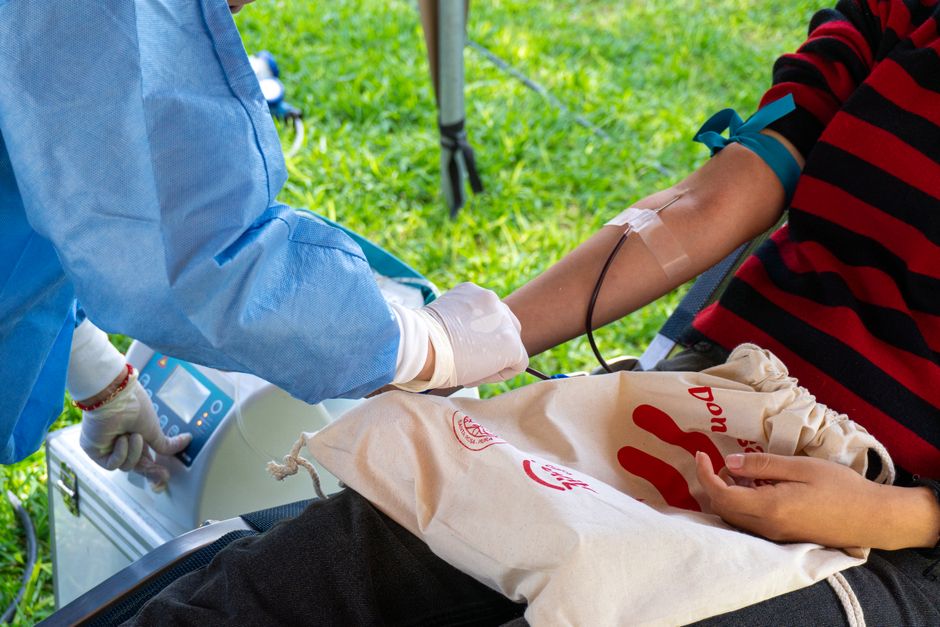
Giving platelets takes longer than giving whole blood, but the process itself is straightforward. You sit in a recliner, a machine draws blood from one arm, separates out the platelets, and returns the rest of your blood to you — sometimes through the same arm. A single platelet donation usually takes about 90 minutes to two hours, though the full appointment often runs closer to two to three hours once screening and setup are included.
What Are Platelets And Why Does Donating Them Matter?
Platelets are small cell fragments in your blood that help it clot. When you get a cut, platelets rush to the site and clump together to form a plug. Without enough of them, even minor bleeding becomes dangerous.
Some patients cannot make enough platelets of their own. People undergoing chemotherapy for cancer, patients with leukemia or other blood disorders, and some organ transplant recipients often need platelet transfusions. Unlike red blood cells, platelets cannot be frozen and stored for long. They have a shelf life of about five days, which means blood centers need a steady, ongoing supply.
This short shelf life is the main reason platelet donors are so valuable. A single platelet donation can provide enough for one transfusion. Some donors with high platelet counts can give a double or even triple dose in one session, but that depends on the donor and what the collection center’s equipment can handle.
How To Give Platelets The Donation Process Explained Step By Step
The platelet donation process, called apheresis, works differently from a standard whole blood donation. Here is what happens from start to finish.
Before You Arrive
Eat a normal meal within a few hours of your appointment and drink plenty of water beforehand. Being well hydrated helps the process go more smoothly and can reduce side effects. Avoid fatty foods right before donating, since fat in the blood can interfere with testing.
You may be asked to avoid certain medications for a period before donating. Aspirin and other drugs that affect platelet function are common examples. Tell the blood center about any medications you take when you schedule, because the rules vary by center and by the recipient’s needs.
At The Donation Center
When you arrive, you complete a health questionnaire and a brief physical check. Staff measure your blood pressure, pulse, temperature, and hemoglobin level. Hemoglobin is checked because platelet donors also give a small amount of red blood cells during the process, and the center needs to confirm you can safely spare them.
You will also have your platelet count checked in many centers. A higher count may allow a larger or more concentrated collection. If your count is too low, you may be deferred for that day.
A trained staff member reviews your health history and risk factors, similar to a whole blood screening. This step protects both you and the person who will receive your platelets.
During The Collection
You sit or recline in a comfortable chair. A needle is placed in a vein in one arm. Blood flows through tubing into an apheresis machine. The machine spins the blood to separate it into layers — platelets and some plasma are collected, while red blood cells and most of the plasma are returned to you.
If blood is returned through the same arm, the machine alternates between drawing and returning. If two needles are used, one arm draws and the other returns. Many donors watch a movie, read, or rest during this time.
You may feel a cool sensation or a tingling around your lips and fingers. This is usually related to the anticoagulant used to keep the blood from clotting in the tubing. It is common and typically mild. Staff can adjust the flow or give you a calcium supplement if needed, since the anticoagulant can lower calcium levels temporarily.
The collection itself usually takes 90 minutes to two hours. A double or triple collection takes longer than a single one.
After The Donation
Once the machine finishes, the needle is removed and you rest for a short time. Staff usually offer snacks and drinks. Most people feel fine and can return to normal activities the same day.
Some donors feel tired or have mild bruising at the needle site. Serious problems are uncommon. Because platelet donation returns most of your blood to you, it generally causes less fluid loss than a whole blood donation, but it takes longer.
How Often Can You Donate Platelets?
Platelet donation can be done more often than whole blood donation. Many centers allow platelet donations every seven days, up to a certain number of times per year. The exact limits depend on the blood center and on how much of your blood components were collected.
Federal and center-specific rules exist to protect donors. A common standard allows up to 24 platelet donations in a 12-month period, but individual centers may set lower limits. Your red blood cell loss matters too, since some red cells are taken during apheresis. If you also donate whole blood or red cells, those donations count toward separate limits.
Always follow the guidance of the center you donate with. They track your donation history and will tell you when you are eligible again.
Who Can Donate Platelets?
Most people who can donate whole blood can also donate platelets, but there are extra considerations. Donors generally need to meet age and weight requirements set by the center and by state law. Many centers require donors to be at least 17 years old, though some allow 16 with parental consent. Minimum weight is often around 110 pounds, but platelet donation may have different requirements because of the blood volume involved.
Good vein access matters. The apheresis process needs a strong, reliable vein, and donors with difficult veins may not be able to complete a platelet donation even if they qualify on paper.
You should not donate if you have an active infection, certain medical conditions, or have recently taken medications that affect platelets. Blood centers screen for these during the health questionnaire.
How Platelet Donation Differs From Whole Blood Donation
The two processes share screening steps but differ in time, method, and what is collected.
| Feature | Platelet Donation (Apheresis) | Whole Blood Donation |
|---|---|---|
| Time | About 90 minutes to 2 hours for collection | About 8 to 10 minutes for collection |
| Method | Blood is separated by machine; most components returned | About one pint of whole blood is collected |
| Frequency | As often as every 7 days at many centers | Every 56 days for most donors |
| What is collected | Platelets and some plasma | Red cells, white cells, platelets, plasma |
| Feeling during | Possible coolness or tingling from anticoagulant | Usually no unusual sensations |
The longer time commitment is the main reason some people choose whole blood donation instead. But platelet donors are needed more often because of the short shelf life.
What Are The Risks And Side Effects?
Platelet donation is generally well tolerated. The most common side effects are mild and short-lived.
- Bruising or discomfort at the needle site
- Tingling or coolness around the mouth and fingers from the anticoagulant
- Feeling tired afterward
- Lightheadedness, especially if you did not eat or drink enough beforehand
More serious reactions are uncommon. The anticoagulant used in apheresis can lower calcium levels temporarily, which is why centers watch for tingling and may offer calcium. Fainting can happen with any blood donation, so you should stay seated and eat snacks after donating.
If you feel unwell during or after the process, tell the staff right away. They are trained to handle reactions.
How To Prepare For A Platelet Donation
Preparation makes a real difference in how the donation goes. Drink water in the days before your appointment, not just the morning of. Eat a meal that is low in fat and rich in protein within a few hours of donating.
Wear clothing with sleeves that can be rolled up easily. Bring something to pass the time, since the appointment is long. Tell the staff about all medications and supplements you take, including over-the-counter ones.
If you have donated platelets before and had a reaction, mention it. Centers can adjust how they run the procedure for you.
Frequently Asked Questions
How long does a platelet donation take?
The collection itself usually takes about 90 minutes to two hours, and the full appointment often runs two to three hours with screening and setup. A double or triple collection takes longer than a single one.
Can you donate platelets every week?
Many centers allow platelet donation as often as every seven days, up to a yearly limit. The exact schedule depends on your blood center and on your donation history, so check with them directly.
Is platelet donation painful?
Most donors feel only the brief needle stick at the start. Some feel a cool or tingling sensation from the anticoagulant during the process, which is usually mild and can be managed by staff.
What should you eat before donating platelets?
Eat a low-fat meal with protein within a few hours before your appointment and drink plenty of water beforehand. Fatty foods can interfere with blood testing, so it is best to avoid them right before donating.
