
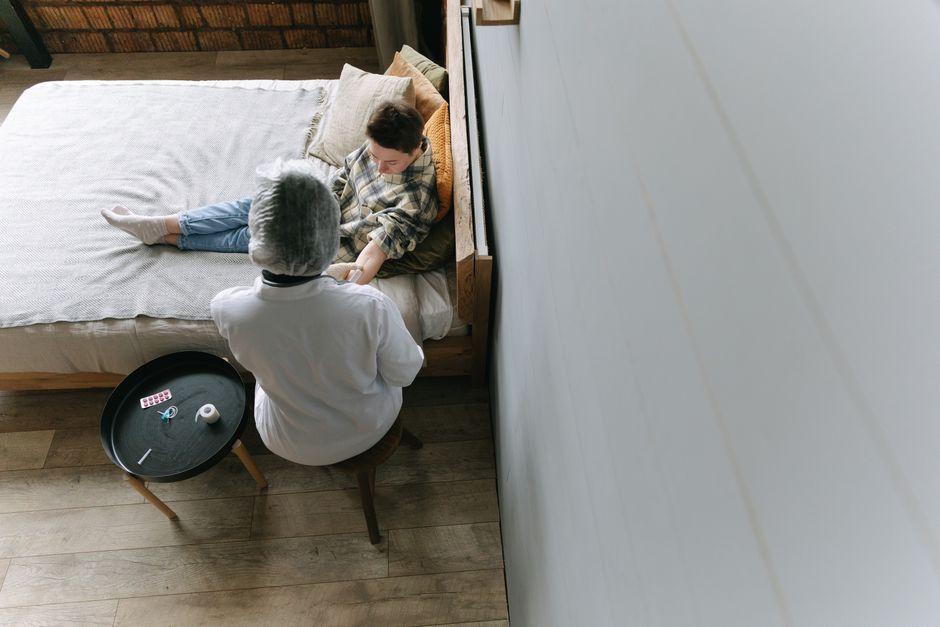
Nurses get sick at rates similar to other adults, but they have developed practical habits that reduce their exposure to illness on the job. The reasons nurses stay relatively healthy are not mysterious. They wash their hands constantly, they keep their immune systems supported through sleep and nutrition, they stay current on vaccines, and they follow infection-control protocols that most people never think about. The real answer is that nurses are not immune to illness. They simply work in environments where disease prevention is a daily requirement, not an afterthought.
How Do Nurses Not Get Sick The Real Reasons?
Nurses do get sick. That is the first thing to understand. Studies of healthcare workers consistently show they experience respiratory infections, gastrointestinal illnesses, and other common conditions at rates comparable to or sometimes higher than the general public. The difference is that nurses have systems in place that reduce how often they get sick and how severe those illnesses become.
The reasons fall into a few categories. Some are behavioral. Some are environmental. Some come down to biology and how the immune system responds to repeated exposure.
Hand hygiene is the most obvious factor. Nurses wash their hands or use hand sanitizer dozens of times per shift. This is not optional. It is built into the job. Every patient contact, every procedure, every time they enter or leave a room, hand hygiene happens. The Centers for Disease Control and Prevention has identified hand hygiene as the single most effective way to prevent the spread of infections in healthcare settings. Nurses do this far more consistently than the average person.
Personal protective equipment matters too. Gloves, gowns, masks, and eye protection are standard in many situations. These barriers reduce exposure to pathogens that spread through contact, droplets, or airborne routes.
Vaccination is another factor. Most healthcare employers require annual influenza vaccination, and many require proof of immunity to measles, mumps, rubella, varicella, and hepatitis B. Some facilities now require COVID-19 vaccination. These requirements mean nurses are less likely to catch and spread vaccine-preventable diseases.
There is also a practical reality that nurses learn early. They know how to recognize when someone is infectious. They know the difference between a cold and something more serious. That awareness changes behavior. A nurse who notices a patient coughing is more likely to take precautions than someone who does not recognize the risk.
Does Repeated Exposure to Illness Make Nurses Immune?
Repeated exposure does not make anyone immune to all diseases. That is a myth worth addressing directly. The immune system does not work like a muscle that gets stronger with every infection. In fact, repeated exposure to certain pathogens can wear down the immune system over time.
What repeated exposure can do is build immunity to specific pathogens. If a nurse had chickenpox as a child, they are unlikely to get it again. If they have been vaccinated against hepatitis B, they have protection against that virus. But immunity is pathogen-specific. Being exposed to influenza A does not protect against influenza B or the common cold or a stomach bug.
Some research suggests that healthcare workers may have some level of immune adaptation from frequent low-level exposure to certain viruses. But this is not a blanket protection. It does not mean nurses are walking around with superhuman immune systems.
The more accurate statement is that nurses have immunity to the specific pathogens they have encountered or been vaccinated against. They are not immune to everything.
What Role Does Sleep Play in Keeping Nurses Healthy?
Sleep is one of the most important factors in immune function, and nurses often struggle with it. Shift work, long hours, and irregular schedules disrupt circadian rhythms. Research consistently shows that sleep deprivation impairs immune function. People who consistently sleep less than seven hours per night are more likely to catch colds and other infections.
Nurses who work night shifts face a particular challenge. The body’s immune system follows a daily rhythm. Disrupting that rhythm can reduce the effectiveness of immune cells that fight viruses and bacteria.
Many nurses develop strategies to protect their sleep. Some use blackout curtains. Some keep a consistent sleep schedule even on days off. Some avoid caffeine in the hours before bed. These habits do not eliminate the problem, but they reduce its impact.
The evidence here is clear. Sleep matters. Nurses who prioritize sleep get sick less often than those who do not.




How Does Nutrition Affect a Nurse’s Ability to Stay Well?
Nutrition supports immune function, but the relationship is not as simple as eating an orange when you feel a cold coming on. The immune system requires a steady supply of vitamins and minerals to function properly. Deficiencies in vitamin C, vitamin D, zinc, and other nutrients can impair immune response.
Nurses often eat on the run. Hospital cafeterias are not always known for healthy options. Vending machines are convenient. But many nurses make a conscious effort to pack meals and snacks that support their health.
There is no single food that prevents illness. The evidence does not support the idea that any one nutrient will stop you from getting sick. What the evidence does show is that overall dietary patterns matter. Diets rich in fruits, vegetables, whole grains, and lean proteins support immune function. Diets high in processed foods and added sugars may impair it.
Hydration is also part of the picture. Nurses are on their feet for most of a shift. They sweat. They talk. They need water. Dehydration can affect how well the body fights off infection.
Do Nurses Use Specific Hygiene Habits That Others Do Not?
Nurses follow hygiene practices that go beyond what most people do in daily life. These habits are not just about preventing their own illness. They are about preventing the spread of illness to patients.
- Hand hygiene before and after every patient contact
- Using hand sanitizer when soap and water are not available
- Avoiding touching the face with contaminated hands
- Cleaning stethoscopes and other equipment between patients
- Following isolation precautions for infectious patients
- Staying home when sick to avoid spreading illness to others
The last point is important. Nurses are often exposed to policies that require them to stay home when they have a fever or other symptoms of infectious illness. This is not just for their own health. It is to protect patients, many of whom have weakened immune systems.
These habits are not unique to nurses. Anyone can adopt them. The difference is that nurses are trained to do them consistently and they work in environments where the consequences of not doing them are immediate and visible.
Are Nurses Actually Healthier Than the General Population?
The evidence here is mixed. Some studies suggest that healthcare workers, including nurses, have lower rates of certain chronic diseases. Other studies show they have higher rates of musculoskeletal injuries, burnout, and mental health challenges.
Nurses are not a uniformly healthy group. They face high levels of stress, physically demanding work, and exposure to trauma and death. These factors can take a toll on both physical and mental health.
The question of whether nurses get sick less often than other adults is not fully settled. Some research indicates they may have fewer colds and minor infections because of their hygiene habits and vaccination status. But they also face higher exposure to serious pathogens in the workplace.
What is clear is that nurses have developed a set of practices that reduce their risk of common illnesses. Those practices are not secrets. They are the same things public health officials recommend for everyone: wash your hands, get your vaccines, get enough sleep, eat well, and stay home when you are sick.
What Can the Rest of Us Learn From Nurses?
The habits that keep nurses healthy are not complicated. They are just consistent. Hand washing works. Vaccines work. Sleep works. Good nutrition works. Avoiding sick people when possible works.
Most people know these things. The difference is that nurses do them every day, often multiple times per day, because their environment demands it. They see the consequences of poor hygiene and poor health habits in real time.
You do not need to work in a hospital to adopt these habits. You just need to decide they matter. Wash your hands when you come home. Stay current on your vaccines. Go to bed at a reasonable hour. Eat food that supports your body. Stay home when you are sick.
None of this is dramatic. None of it is new. But it works. That is the real reason nurses do not get sick as often as you might expect. They follow the basics, and they follow them consistently.
Frequently Asked Questions
Do nurses have stronger immune systems than other people?
No, nurses do not have stronger immune systems by default. Their lower rates of common illness come from consistent hygiene, vaccination, and health habits, not from biological superiority.
Can repeated exposure to sick patients make you immune to illness?
Repeated exposure only builds immunity to specific pathogens you have already encountered or been vaccinated against. It does not provide broad protection against all infections.
What is the most important thing nurses do to avoid getting sick?
Hand hygiene is the single most effective practice. Washing hands or using sanitizer before and after every patient contact significantly reduces the spread of infection.
Do nurses get sick more often than other workers?
The evidence is mixed. Some studies show nurses have fewer minor infections due to hygiene habits, while other research shows they face higher exposure to serious pathogens and higher rates of burnout and injury.
