
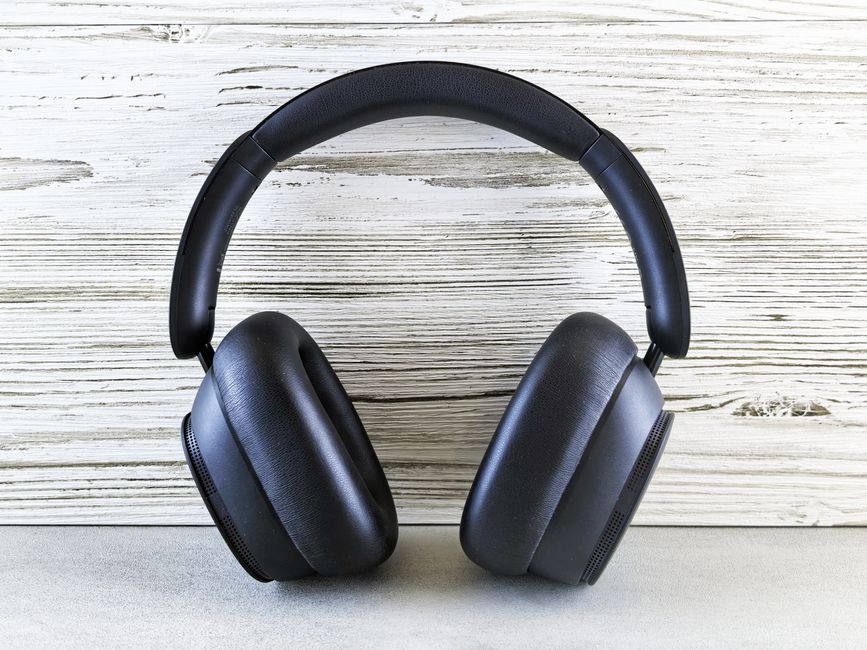
Noise cancelling headphones work by using tiny microphones to listen to the sound around you, then generating an opposite sound wave that cancels the noise out before it reaches your ears. This process is called active noise control, and it happens in real time. Think of it as adding a wave of air pressure that perfectly matches the incoming noise wave but is flipped upside down. When the two waves meet, they cancel each other out, leaving you in a quieter space.
How Do Noise Cancelling Headphones Work at a Basic Level?
There are two main types of noise reduction in these headphones: passive and active. Passive noise cancellation is simple. It is just the physical padding of the ear cups blocking sound waves from entering your ear. This works best for higher-pitched sounds like a baby crying or a dog barking. Active noise cancellation (ANC) handles the low, droning sounds like airplane engines, air conditioners, or traffic hum.
Active noise cancellation relies on a system of electronics. A small microphone on the outside of each ear cup picks up ambient noise. A tiny computer chip inside the headphones analyzes that sound wave and instantly creates its exact opposite. This opposite wave is played through the headphone speaker. When the original noise wave and this opposite wave meet at your eardrum, they cancel each other out. This is called destructive interference.
This all happens in milliseconds. The technology has gotten much better in the last decade, but the core physics has not changed since the 1930s when it was first theorized.
What Is the Difference Between Active and Passive Noise Cancellation?
Passive noise cancellation is just good old-fashioned insulation. The materials in the ear cups block sound physically. Thicker padding and denser materials block more sound. This is why over-ear headphones generally block more noise than earbuds. Passive cancellation works across all frequencies but is most effective at blocking high-pitched sounds.
Active noise cancellation is an electronic process. It targets low-frequency sounds specifically. This is because low-frequency sounds have longer wavelengths that are easier to measure and cancel electronically. High-frequency sounds change direction too quickly for the electronics to keep up.
Most quality noise cancelling headphones use both methods together. The passive part handles the sharp, sudden noises. The active part handles the steady, droning background hum. Together they create a much quieter experience than either method alone.
| Feature | Passive Noise Cancellation | Active Noise Cancellation |
|---|---|---|
| How it works | Physical blocking of sound waves | Electronic sound wave cancellation |
| Best for | High-pitched sounds (voices, barking) | Low-pitched sounds (engines, fans) |
| Requires power | No | Yes (battery needed) |
| Effectiveness | Moderate, depends on materials | Very high for steady noises |
| Adds weight | Yes, from padding | Yes, from electronics and battery |
Does Active Noise Cancellation Affect Sound Quality?
This is a common concern, and the honest answer is that it depends on the design. In well-engineered headphones, the effect on music quality is minimal. The noise cancelling circuitry operates separately from the audio playback circuit. It cancels external noise without altering the music signal.
Some people report a very faint hiss when ANC is turned on with no music playing. This is the sound of the internal electronics running. In quiet environments, you might notice this. In noisy environments, you will not. Most modern headphones have improved this significantly.
Research published in the Journal of the Audio Engineering Society has shown that listeners cannot reliably distinguish between music played through ANC headphones with the cancellation on versus off when tested in quiet rooms. The perceived difference mostly comes from the fact that you hear your music against a quieter background, which makes details sound more prominent.





What Are the Limitations of Noise Cancelling Headphones?
Active noise cancellation is not perfect. It works best on consistent, predictable sounds. It struggles with sudden, irregular noises like a door slamming or someone coughing. The electronics cannot react fast enough to cancel these transient sounds.
Another limitation is that ANC primarily targets low frequencies. A study from the National Institute for Occupational Safety and Health found that consumer ANC headphones reduced engine noise by about 30 decibels on average. But they reduced human speech by only about 10 decibels. So you may still hear conversations nearby.
Battery life is a practical limitation. ANC requires power to run. Most headphones offer 20 to 40 hours of use with ANC on. If the battery dies, you still have passive noise blocking, but the active cancellation stops working entirely.
Some people experience a feeling of pressure in their ears when using ANC. This is not dangerous. It is similar to the sensation of changing altitude on an airplane. It happens because your brain is processing the sudden absence of low-frequency sound, which it normally uses for spatial awareness.
Do Noise Cancelling Headphones Protect Your Hearing?
This is where a lot of confusion exists. Noise cancelling headphones do not directly protect your hearing the way earplugs do. They cancel noise, but they do not block all sound. The CDC has noted that hearing protection devices must reduce sound exposure to safe levels. ANC headphones are not classified as hearing protection devices.
However, they can indirectly help protect your hearing. Here is how: When you are in a noisy environment, you tend to turn up your music volume to hear it. With ANC, the background noise is reduced, so you can listen at a lower volume. Lower volume over time means less risk of noise-induced hearing loss.
Research from the World Health Organization indicates that listening at volumes above 85 decibels for extended periods causes hearing damage. If ANC allows you to keep your volume below that threshold in a noisy place, it is beneficial. But if you still crank the volume to maximum, ANC does not save your ears.
- Use ANC to listen at lower volumes in noisy environments like planes or trains.
- Do not rely on ANC as ear protection for loud industrial or construction noise.
- Take listening breaks every hour to let your ears rest.
- Check your volume by removing the headphones briefly. If the outside world sounds shockingly loud, your volume is too high.
Common Misconceptions About Noise Cancelling Headphones
One widespread myth is that noise cancelling headphones emit radiation that is harmful. This is not supported by evidence. The wireless Bluetooth signal is low-power radio frequency, similar to what your phone uses. The ANC electronics themselves produce no significant radiation. The Federal Communications Commission regulates these devices, and they must meet safety standards.
Another misconception is that ANC headphones can make you feel sick or dizzy permanently. Some people do experience a mild discomfort when first using ANC. This is usually temporary and goes away after a few uses. It happens because your brain adjusts to the unusual lack of background noise. There is no evidence of long-term health effects from using ANC headphones.
Some people believe that ANC headphones work by blocking all sound completely. They do not. They reduce noise significantly, but some sound still gets through. You will still hear alarms, announcements, and loud conversations. This is actually a safety feature. You do not want to be completely unaware of your surroundings.
A final myth is that expensive headphones always have better noise cancellation. While high-end models from brands like Sony and Bose do perform well, mid-range options have improved dramatically. Consumer Reports testing has found that several headphones under $150 provide noise reduction within a few decibels of models costing three times as much.
Frequently Asked Questions
Can noise cancelling headphones completely block all sound?
No, they cannot block all sound. They are most effective at reducing low-frequency steady noises like engine hum but let through higher-pitched and sudden sounds.
Do noise cancelling headphones work without music playing?
Yes, they cancel ambient noise even when no audio is playing. The active cancellation system works independently of music playback.
Are noise cancelling headphones safe to wear all day?
Yes, they are safe for extended use. Some people may feel mild ear pressure at first, but this is temporary and not harmful.
Can I use noise cancelling headphones for sleeping?
Yes, many people use them for sleep. Over-ear models can be bulky for side sleeping, but some companies make slim designs specifically for this purpose.
