
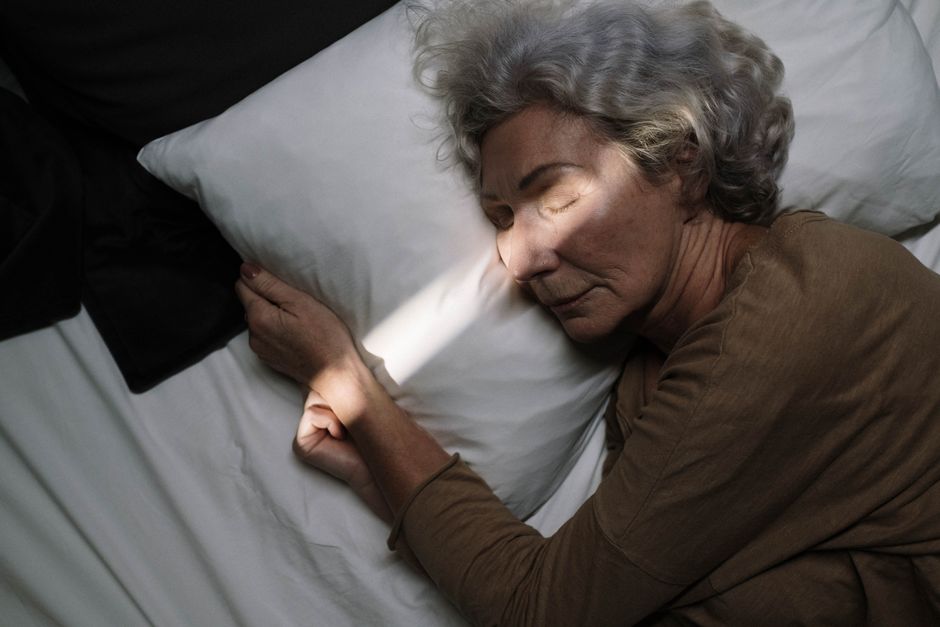
Most people do not choose one sleeping position and stick with it for the entire night. Most adults change positions roughly 11 to 15 times per night, often without waking up. The side position is the most common primary posture, with surveys consistently showing that over half of adults prefer sleeping on their side. Back sleeping and stomach sleeping follow, but they are far less common. These patterns are not random — they reflect a mix of habit, comfort, and how your body responds to pressure and pain during the night.
What Is the Most Common Sleeping Position?
Side sleeping is the clear winner. Large population surveys from multiple countries consistently find that between 50% and 60% of adults identify as side sleepers. This position is often called the fetal position when the knees are drawn up toward the chest, but many side sleepers keep their legs relatively straight.
Back sleeping comes in second. Roughly 30% to 40% of adults report sleeping on their back. Stomach sleeping is the least common primary position, with about 7% to 10% of adults choosing it. These numbers shift slightly depending on age and health status, but the overall pattern holds across most Western populations.
Side sleeping is not just a preference. It is also the position most often recommended by clinicians for specific conditions. For people with obstructive sleep apnea, side sleeping can reduce airway collapse compared to back sleeping. For pregnant women, left-side sleeping is commonly advised because it improves blood flow to the fetus. For people with acid reflux, sleeping on the left side may reduce nighttime symptoms. These clinical recommendations reinforce a habit that many people already have.
How Do Sleep Positions Change During the Night?
Most people start in one position and end in another. Sleep studies that record body movement show that adults shift position multiple times per hour during lighter stages of sleep. The total number of movements is typically between 11 and 15 per night, though some people move far more.
These movements serve a purpose. Staying perfectly still puts prolonged pressure on the same tissues, which can reduce blood flow and cause discomfort. Your brain registers this pressure even while you are asleep and triggers small shifts to redistribute weight. You rarely remember these movements because they happen during brief arousals that do not fully wake you.
Position changes are not evenly spread across the night. Movement is more common during stage 1 and stage 2 sleep. During deep slow-wave sleep and REM sleep, your body is naturally more still. This means your most deeply asleep periods are also the periods when you are most likely to stay in one position for a long time.
How Do Most People Sleep Positions Habits Patterns by Age?
Sleep position preferences shift over a lifetime. Infants are a special case because safe sleep guidelines recommend placing them on their backs to reduce the risk of sudden infant death syndrome (SIDS). This recommendation, first widely promoted in the 1990s, dramatically changed how babies sleep.
Children and teenagers are more likely to sleep in varied positions. They often move more during sleep than adults do. As people enter middle age, side sleeping becomes more dominant. This may be partly due to changes in body mechanics and partly due to the development of conditions like acid reflux or snoring that make side sleeping more comfortable.
Older adults tend to move less during the night. This is not necessarily a good thing. Reduced movement can increase the risk of pressure injuries, especially in frail older adults who spend long hours in bed. Some older adults also develop a strong preference for a single position because of joint pain or previous surgeries.
Pregnancy dramatically changes sleep position. Many women who previously slept on their back or stomach find side sleeping becomes necessary as the pregnancy progresses. Clinicians commonly recommend left-side sleeping in the third trimester, though the evidence for a strong benefit over right-side sleeping is not definitive.





How Do Sleep Habits Affect Which Position You Choose?
Your environment shapes your position more than you might think. The firmness of your mattress, the height of your pillow, and even the temperature of your room all influence how you settle in. A mattress that is too soft may cause you to shift more frequently. A pillow that is too thick can strain your neck and push you off your preferred side.
Bed partners also matter. Couples often unconsciously coordinate their positions. One partner’s movement can trigger the other to shift. This is one reason people who share a bed report more nighttime awakenings than those who sleep alone, even if they do not consciously notice the disturbance.
Habits formed in childhood often persist. If you grew up sleeping on your stomach, you may find it difficult to break that pattern even if it causes neck or back pain. Sleep position is a learned behavior reinforced by thousands of nights of repetition. Changing it requires conscious effort and often feels unnatural for weeks.
Stress and anxiety can alter your sleep position indirectly. People under stress often sleep more fitfully and move more during the night. They may also curl into a tighter fetal position, which some researchers interpret as a self-soothing posture, though this link is not firmly established.
Which Sleeping Position Is Best for Your Health?
There is no single best position for everyone. The right position depends on your specific health concerns. What is optimal for a person with sleep apnea may be different from what is optimal for a person with shoulder arthritis.
Back sleeping is often considered the most neutral position for spinal alignment. When you sleep on your back with appropriate pillow support, your head, neck, and spine can rest in a relatively straight line. This reduces uneven pressure on your joints. However, back sleeping can worsen snoring and obstructive sleep apnea because gravity pulls the soft palate and tongue backward, narrowing the airway.
Side sleeping is generally good for airway patency and is the standard recommendation for people with sleep apnea. It also helps with acid reflux, especially left-side sleeping. The downside is that side sleeping can compress the shoulder and hip, leading to pain in those joints if the mattress does not provide adequate cushioning.
Stomach sleeping is the position most often linked to neck and back pain. To breathe while facing down, you must rotate your head to one side for hours. This sustained rotation strains the cervical spine. Some people find stomach sleeping comfortable despite this, and if they wake without pain, there is no strong reason to force a change.
Research on the long-term health effects of sleep position is limited. Most studies are short-term and rely on self-reported position rather than objective measurement. The strongest evidence relates to sleep apnea and pregnancy. For general back pain, the evidence that one position is superior to another is weak. Many people with back pain find relief by changing positions, but the direction of that change varies from person to person.
How Can You Change Your Sleeping Position?
Changing your sleep position is possible but requires patience. The body resists change because your preferred position feels familiar and safe. Most people who successfully switch positions report that it takes two to four weeks of consistent effort.
For side sleeping, use a pillow that fills the space between your ear and your shoulder. A pillow that is too flat causes your head to tilt downward. A pillow that is too thick pushes your head upward. Either way, you are likely to wake up and revert to a more comfortable position.
For back sleeping, a thinner pillow under your head and a second pillow under your knees can help. The knee pillow slightly flexes the hips and reduces strain on the lower back. Some people find that placing pillows on either side of their body prevents them from rolling onto their side during the night.
For stomach sleeping, the main challenge is breathing. A very thin pillow or no pillow under the head can reduce neck rotation. Placing a flat pillow under the pelvis can reduce lower back strain. If you cannot comfortably sleep on your stomach without neck pain, it is reasonable to consider transitioning to side sleeping.
One practical technique is the tennis ball method. Taping a tennis ball to your pajama top along your spine makes back sleeping uncomfortable and can train you to stay on your side. This approach is simple and has been used for decades, though it does not work for everyone.
How Do Most People Sleep Positions Habits Patterns Differ Between Men and Women?
Some surveys suggest that women are more likely to sleep on their side than men. This difference may be partly explained by pregnancy history, since side sleeping becomes a strong habit during pregnancy and often persists afterward. However, the difference between men and women is small compared to the overall dominance of side sleeping in both groups.
Men are somewhat more likely to sleep on their back than women. This may be related to body size and breathing patterns. Men have a higher rate of obstructive sleep apnea, and back sleeping tends to worsen apnea events. This means men who develop sleep apnea often transition to side sleeping as their condition progresses, sometimes without consciously deciding to do so.
Body shape influences position choice. People with broader shoulders or hips may find side sleeping less comfortable because of increased pressure on those bony areas. People with larger abdominal girth may find back sleeping uncomfortable because it can make breathing feel more labored. These mechanical factors are rarely studied directly, but they are clinically recognized.
Frequently Asked Questions
What percentage of people sleep on their side?
Most surveys find that between 50% and 60% of adults primarily sleep on their side. It is the most common sleeping position across all age groups.
Is it bad to sleep on your stomach?
Stomach sleeping is the position most often associated with neck and back pain, but not everyone who sleeps this way develops pain. If you wake up without discomfort, there is no strong medical reason to force a change.
Why do I change positions so much at night?
Shifting positions is a normal response to pressure on your tissues. Most adults change position 11 to 15 times per night without waking up.
What is the healthiest sleeping position?
There is no single healthiest position for everyone. Side sleeping is best for sleep apnea and acid reflux, while back sleeping offers the most neutral spinal alignment for some people.
