
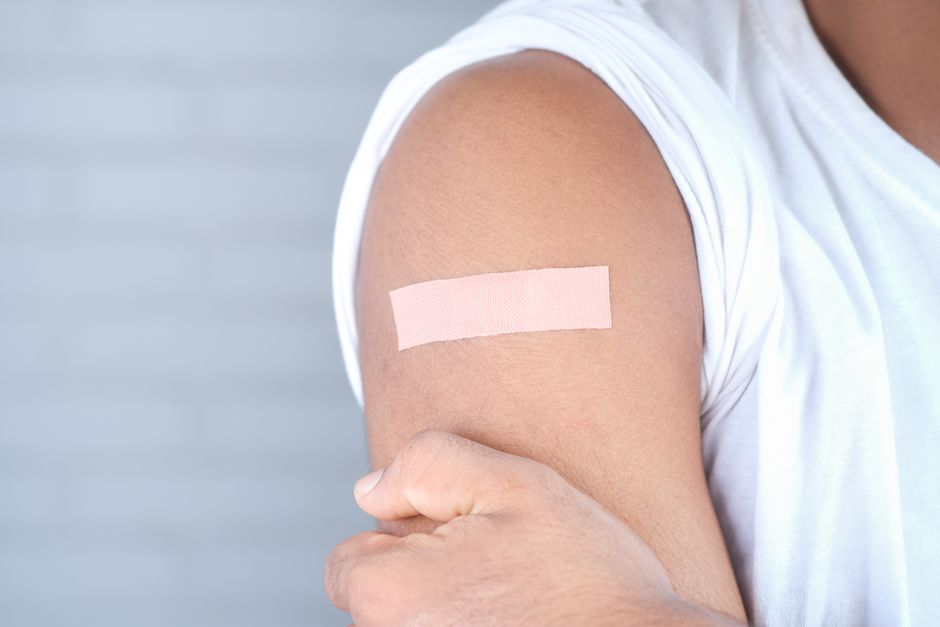
Live attenuated vaccines use a weakened form of a germ to teach your immune system how to fight the real thing. The virus or bacterium is still alive but has been changed in a lab so it cannot cause disease in healthy people. When you get the vaccine your body sees the weakened germ as a threat and builds a strong long-lasting defense. This is why many live vaccines give you protection for years or even a lifetime with just one or two doses.
How Do Live Attenuated Vaccines Work Inside the Body?
The process starts when the weakened germ enters your body. It does not stay in one spot. It travels through your tissues and multiplies slowly. This slow growth is key. It gives your immune system time to notice the germ and respond.
Your immune system first sends out general defenders called innate immune cells. These cells grab pieces of the germ and show them to your adaptive immune system. This is where the real learning happens. Your body starts making antibodies that are custom-fit to that specific germ. It also creates memory B cells and T cells that remember the germ for decades.
Because the germ is alive and multiplying your immune system gets a longer look at it compared to other vaccine types. This longer exposure is what creates the strong long-term protection. Your body learns to recognize many different parts of the germ not just one piece. This broad recognition is hard to beat.
What Makes Live Attenuated Vaccines Different from Other Vaccines?
There are several types of vaccines and each works a little differently. Live attenuated vaccines are the closest thing to getting the actual disease without the danger. Other vaccines do not use a live germ at all.
Inactivated vaccines use a killed version of the germ. Your immune system still learns to fight it but the response is weaker. You usually need multiple doses and boosters to keep protection strong.
Subunit vaccines use only a piece of the germ like a protein or sugar. They are very safe and work well for people with weak immune systems. But the protection does not last as long as live vaccines.
mRNA vaccines like the ones for COVID-19 give your cells instructions to make a harmless piece of the germ. They are new but research shows they work well. The protection is strong but not as long-lasting as live vaccines for most people.
| Vaccine Type | How It Works | Durability of Protection | Best For |
|---|---|---|---|
| Live Attenuated | Weakened live germ multiplies in body | Years to lifetime | Healthy people of all ages |
| Inactivated | Killed germ triggers immune response | Months to years | People with weak immune systems |
| Subunit | Piece of germ trains immune cells | Months to years | Pregnant women older adults |
| mRNA | Cells make germ protein to trigger immunity | Months to a year | Adults and older children |
Which Diseases Do Live Attenuated Vaccines Prevent?
Live attenuated vaccines have been used for decades. They are some of the most effective vaccines we have. The measles mumps and rubella (MMR) vaccine is a live vaccine. It has cut measles cases by over 99 percent since it was introduced.
The chickenpox vaccine is another live vaccine. Before it was available almost every child got chickenpox. Now hospitalizations from chickenpox have dropped by more than 90 percent. The nasal spray flu vaccine is also live. It works differently from the flu shot and some studies suggest it works better in children.
The rotavirus vaccine which prevents severe diarrhea in infants is live. So is the yellow fever vaccine which travelers need for parts of Africa and South America. The shingles vaccine is not live but the older version was. Current research suggests the newer non-live shingles vaccine works very well for older adults.
The oral polio vaccine was live and it is the reason polio is almost gone worldwide. Most countries now use the inactivated polio shot but the live version is still used in some areas to stop outbreaks.




Who Should Not Get Live Attenuated Vaccines?
Live vaccines are not safe for everyone. Because they contain a living germ people with severely weakened immune systems cannot get them. This includes people on chemotherapy organ transplant recipients and those with advanced HIV.
Pregnant women are also advised to wait. The weakened germ could in theory harm the developing baby. The risk is very low but doctors recommend waiting until after birth. The MMR vaccine is a common example. Women are told to avoid pregnancy for four weeks after getting it.
People who have had an allergic reaction to a previous dose of a live vaccine should not get another one. This is rare but it happens. Your doctor will ask about your history before giving the shot.
Some people worry about getting sick from the vaccine itself. This is very unlikely in healthy people. The weakened germ is designed not to cause disease. Mild symptoms like a low fever or a rash are possible. These are signs your immune system is learning not that you are sick.
As of 2026 there is no evidence that live vaccines cause long-term health problems in healthy people. The safety record is strong after decades of use worldwide.
What Are the Common Side Effects of Live Attenuated Vaccines?
Side effects are usually mild and go away on their own. The most common ones are pain redness or swelling at the injection site. Some people feel tired or have a low fever for a day or two.
With the MMR vaccine a mild rash can appear about a week after the shot. This is not measles. It is your immune system responding to the weakened virus. Joint pain is also possible especially in women who get the rubella part of the vaccine.
The nasal spray flu vaccine can cause a runny nose headache and sore throat. These are temporary and not the flu. The vaccine cannot give you the flu because the virus in it is weakened and cannot survive at body temperature.
Serious side effects are very rare. They include severe allergic reactions which happen in about one in a million doses. Doctors have treatments ready if this occurs. The risk of getting the actual disease from a live vaccine is extremely low in healthy people. It is higher in people with weak immune systems which is why they should not get these vaccines.
How Long Does Protection from Live Vaccines Last?
This is where live vaccines really shine. Protection from a live vaccine often lasts for many years or a lifetime. The MMR vaccine provides protection for decades. Most people who get two doses as children never need a booster.
The yellow fever vaccine protects for life according to current guidelines. The chickenpox vaccine protects for at least 10 to 20 years. Some people may need a booster later in life but most are well protected.
The reason for this long protection is the memory cells your body creates. After a live vaccine your immune system keeps a small army of B cells and T cells that remember the germ. If you ever meet the real germ these cells wake up fast and destroy it before you get sick.
Other vaccine types also create memory cells but not as many. The live germ multiplies in your body which gives your immune system more time to build a strong memory. This is the main advantage of live vaccines.
Are Live Attenuated Vaccines Safe for Children?
Yes they are safe for healthy children. The MMR vaccine is given at 12 to 15 months and again at 4 to 6 years. The chickenpox vaccine is given at the same ages. The rotavirus vaccine is given as drops in the mouth starting at 2 months.
Studies involving hundreds of thousands of children have shown these vaccines are safe. The risk of a serious side effect is much lower than the risk of complications from the actual disease. Measles for example can cause pneumonia brain swelling and death. The vaccine prevents this with very low risk.
Some parents worry about the number of vaccines children get. The schedule is designed to protect children when they are most vulnerable. Delaying vaccines leaves children unprotected during that time. Current research suggests the vaccine schedule is safe and effective.
Children with certain health conditions may need to wait. Your pediatrician will review your child’s medical history before giving any live vaccine. This is standard practice.
Frequently Asked Questions
Can you get the disease from a live attenuated vaccine?
In healthy people the risk is extremely low. The germ is weakened so it cannot cause the actual disease. People with weak immune systems should not get live vaccines because the risk is higher.
How many doses of a live attenuated vaccine do you need?
It depends on the vaccine. MMR requires two doses for full protection. Yellow fever only needs one dose for lifetime protection. Your doctor will tell you the schedule for each vaccine.
Do live vaccines work better than other vaccines?
They often provide longer protection with fewer doses. But other vaccines like mRNA and subunit vaccines are safer for people with weak immune systems. Each type has its place.
Can adults get live attenuated vaccines?
Yes. Adults may need MMR if they were not vaccinated as children. The shingles vaccine is not live but the nasal flu vaccine is live for people up to age 49. Check with your doctor.
