
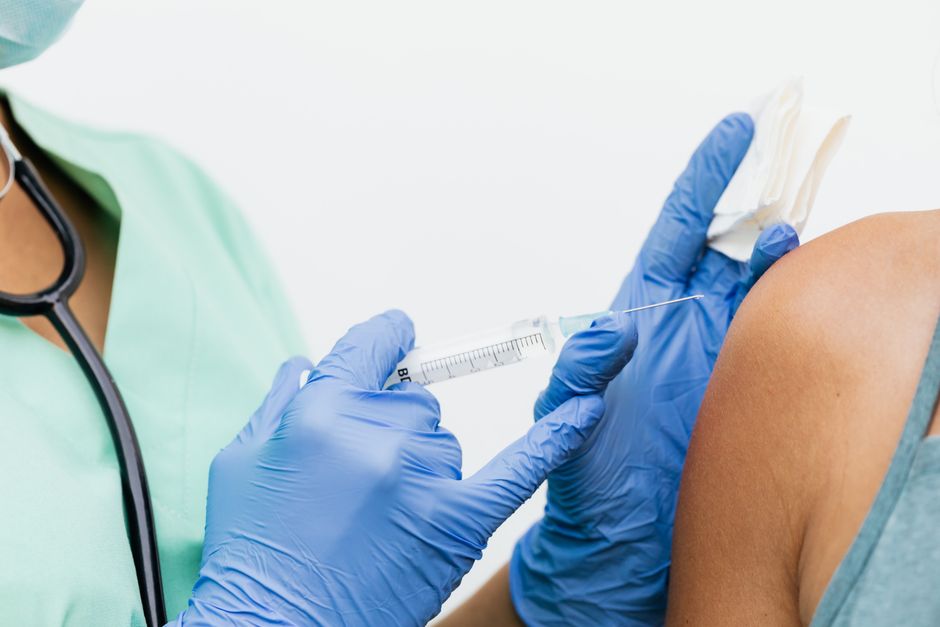
Getting a prescription for HGH injections is not like walking into a clinic and asking for a refill. Doctors require proof of a genuine medical need, confirmed by specific blood tests that measure your insulin-like growth factor-1 (IGF-1) levels. You cannot legally obtain these injections for anti-aging or athletic purposes without a documented deficiency, and any clinic offering them without strict testing is operating outside standard medical practice.
What Is HGH and When Is It Prescribed?
Human growth hormone (HGH) is produced by the pituitary gland. It drives growth in children and helps regulate body composition, muscle mass, and metabolism in adults. Synthetic HGH is a prescription medication, not a supplement.
The FDA has approved HGH therapy for specific conditions. These include growth hormone deficiency in children and adults, muscle wasting associated with HIV, and short bowel syndrome. It is not approved for age-related decline in hormone levels, athletic enhancement, or general anti-aging purposes.
Adult growth hormone deficiency is a real but uncommon condition. It usually results from pituitary tumors, head trauma, or surgery or radiation affecting the pituitary gland. The diagnosis requires more than feeling tired or having low energy.
How To Get HGH Injections What Doctors Require?
To get HGH injections legally, you need a prescription from a licensed physician. That physician must first confirm you have a clinical condition that warrants treatment. For adults, the primary requirement is a documented growth hormone deficiency.
Doctors do not diagnose this deficiency based on symptoms alone. They rely on laboratory testing. The most common screening test measures your IGF-1 level, which reflects average HGH secretion over time. If that level is low, the doctor may order a stimulation test.
A stimulation test involves administering a medication that normally triggers the pituitary to release HGH. Blood samples are taken afterward. If your HGH levels do not rise adequately, that confirms the deficiency. This test is considered the gold standard for diagnosis.
What Blood Tests Confirm an HGH Deficiency?
The IGF-1 test is the starting point. This is a simple blood draw that does not require fasting in most cases. It gives the doctor a snapshot of your growth hormone activity over the past day or so.
Normal IGF-1 ranges vary by age and sex. Levels naturally decline as you get older, which is why a low level in a 60-year-old may be normal while the same number in a 30-year-old is not. Doctors use age-adjusted reference ranges to interpret your results.
If your IGF-1 is low, the next step is often a growth hormone stimulation test. During this test, you receive an intravenous medication such as insulin, arginine, or glucagon. These substances provoke the pituitary gland to release HGH. Serial blood draws measure your response over two to three hours.
A peak HGH level below a certain threshold during this test confirms the diagnosis. The exact cutoff varies by test type and laboratory standards, but the pattern is consistent. If your pituitary fails to respond, you have a deficiency.





Why Do Doctors Reject Most Requests for HGH?
Most requests for HGH come from people who want to reverse aging, improve athletic performance, or boost energy. These are not approved medical indications. Doctors who prescribe for these reasons risk losing their licenses.
The evidence for HGH as an anti-aging therapy is weak. Some studies show modest increases in lean body mass and decreases in fat mass. But these changes do not translate into improved strength, function, or longevity. No large clinical trial has shown that HGH extends lifespan or reverses the aging process.
HGH also carries real risks. Side effects include fluid retention, joint pain, carpal tunnel syndrome, and elevated blood sugar. Long-term use may increase the risk of certain cancers, though this link is not fully established. These risks are acceptable when treating a genuine deficiency but not when treating normal aging.
What Happens During the Initial Medical Evaluation?
Your first appointment will involve a detailed medical history and physical exam. The doctor will ask about symptoms such as fatigue, reduced muscle mass, increased abdominal fat, and diminished exercise capacity. These symptoms alone are not enough for a diagnosis.
The doctor will also review your history for causes of pituitary damage. Head trauma, brain surgery, radiation therapy, and pituitary tumors are common triggers. If you have none of these, the likelihood of adult growth hormone deficiency is low.
You will likely have blood work done to assess other pituitary hormones. The pituitary gland produces several hormones, and a deficiency in one often signals broader dysfunction. Testing thyroid, adrenal, and reproductive hormones gives the doctor a fuller picture.
Are There Clinics That Prescribe HGH More Easily?
Yes, some clinics advertise HGH therapy for fatigue, weight loss, or “hormone optimization.” These clinics often require only a single IGF-1 test and skip the stimulation testing. This approach does not meet standard diagnostic criteria.
Be cautious with these clinics. Many sell expensive treatment plans based on borderline lab results. A single low IGF-1 reading does not confirm a deficiency, especially in older adults where low levels are expected.
Legitimate hormone clinics follow the same diagnostic pathway as endocrinologists. They order stimulation testing, review your complete medical history, and document a clear deficiency before prescribing. If a clinic offers HGH without these steps, that is a red flag.
How Much Does HGH Treatment Cost?
Prescription HGH is expensive. Monthly costs typically range from several hundred to over a thousand dollars depending on the brand, dose, and pharmacy. Insurance may cover treatment if you have a confirmed deficiency, but coverage varies widely by plan.
Medicare covers HGH for certain conditions, including adult growth hormone deficiency. Private insurers often require documentation of failed stimulation testing before approving coverage. Prior authorization is commonly required.
Without insurance, the out-of-pocket cost is significant. This is why some people seek cheaper alternatives online. Those alternatives are often counterfeit, contaminated, or contain no active ingredient. There is no safe way to buy prescription HGH without a prescription.
What Are the Risks of Buying HGH Online?
Buying HGH without a prescription is illegal in the United States. Online sellers operating outside the medical system do not follow pharmaceutical regulations. The product may be fake, incorrectly dosed, or contaminated.
Injecting an unverified substance carries serious health risks. Infection at the injection site, allergic reactions, and unintended hormonal effects are all possible. You also have no medical supervision to monitor for side effects or adjust dosing.
Even if the product is genuine, using HGH without a deficiency can suppress your natural production. Your pituitary gland may reduce its own output in response to the external hormone. Stopping treatment abruptly can then leave you with lower natural levels than before.
What Lifestyle Factors Affect IGF-1 Naturally?
Before pursuing HGH therapy, it helps to understand what influences your natural levels. Sleep is one of the most significant factors. Most HGH is released in pulses during deep sleep, so chronic sleep deprivation lowers overall secretion.
Exercise also stimulates HGH release. High-intensity resistance training and interval exercise produce the largest spikes. These spikes are temporary but contribute to overall daily output.
Diet plays a role as well. Protein intake supports normal hormone production, while severe calorie restriction suppresses it. Obesity is associated with lower IGF-1 levels, and weight loss can improve them.
Optimizing these factors will not cure a true deficiency, but it may improve your levels if you are in the low-normal range. This is worth discussing with your doctor before considering injections.
Frequently Asked Questions
Can I get HGH injections for anti-aging?
No, HGH is not FDA-approved for anti-aging and doctors cannot legally prescribe it for that purpose. No clinical evidence shows it reverses aging, and the risks outweigh any potential benefit.
What IGF-1 level requires HGH treatment?
There is no single number that automatically triggers treatment. Doctors interpret IGF-1 results alongside stimulation testing and your clinical history to confirm a true deficiency.
How long does the HGH testing process take?
The initial IGF-1 blood test takes minutes, but the full diagnostic process can take weeks. Stimulation testing requires several hours in a clinic, and results take days to process.
Is HGH covered by insurance?
Insurance may cover HGH if you have a documented growth hormone deficiency confirmed by stimulation testing. Coverage varies by plan and typically requires prior authorization.
