
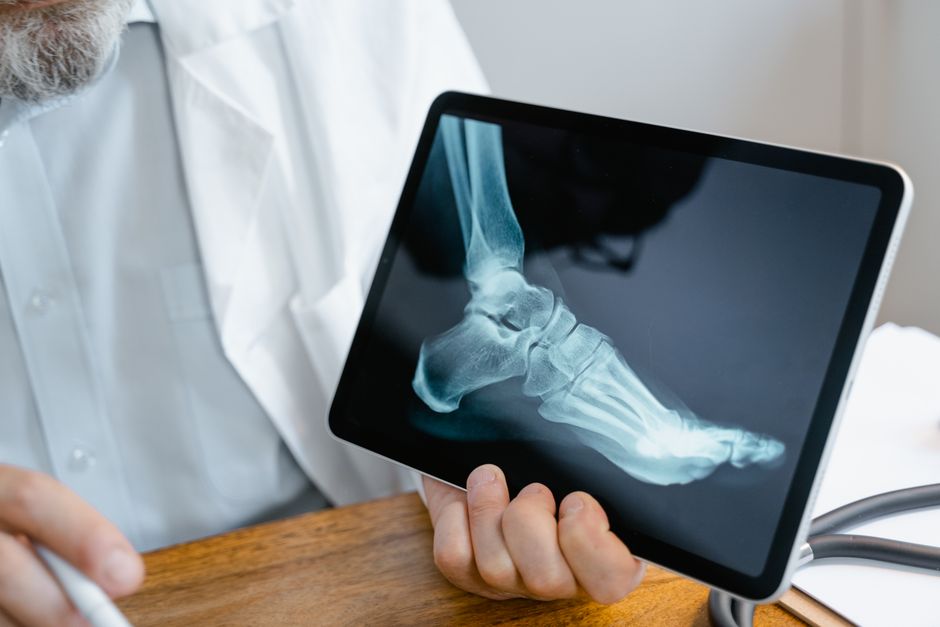
When a broken bone heals in the wrong position, or fails to heal at all, doctors can deliberately re-break it in a controlled operating room setting so it can be reset and allowed to heal correctly. This procedure is called a corrective osteotomy when the bone is cut, or a re-fracture when an already-healing bone is manipulated. It is planned in advance, done under anesthesia, and guided by imaging. The goal is not to cause harm but to restore alignment, length, or joint function that the original injury or a poor healing outcome did not achieve.
Most people never need this. It is used when the risks of leaving a bone misaligned outweigh the risks of surgery. Understanding what the procedure involves, who it is for, and what recovery looks like helps you ask better questions if it is ever recommended to you or someone you care for.
Why Would a Doctor Need to Re-Break a Bone?
A bone that heals out of line can limit movement, cause pain, or wear down nearby joints over time. Doctors call this a malunion. When the bone fails to knit together at all, it is called a nonunion. Both are reasons a surgeon may recommend re-breaking or cutting the bone to reset it.
Bones heal by forming new tissue at the break, then slowly remodeling that tissue into solid bone. If the two ends are not held in proper alignment while this happens, the new bone sets in the wrong position. Once that healing is solid, the body will not correct the alignment on its own. The only way to change it is to create a new break or cut and start the healing process again under better control.
Common situations that lead to this recommendation include:
- A fracture that was not properly aligned when first treated, or that shifted during healing
- A bone that healed shorter or rotated, affecting how a person walks or uses a limb
- A joint surface that healed unevenly, which can lead to early arthritis
- A fracture that did not heal (nonunion), sometimes requiring the bone ends to be refreshed
- Deformity from a childhood injury that worsened as the person grew
Doctors weigh the functional impact carefully. A slight bend in a bone that causes no symptoms may need nothing at all. Surgery is generally considered when the misalignment interferes with daily function, causes persistent pain, or is likely to damage a joint over time.
How Do Doctors Re Break Bones The Procedure Explained
The procedure is a planned surgery, not an emergency maneuver. It is performed under general or regional anesthesia, so the patient feels nothing during the operation. The surgeon’s exact approach depends on which bone is involved and why it needs correcting.
There are two broad techniques. In a corrective osteotomy, the surgeon cuts the bone cleanly with a surgical saw at a planned location. This gives precise control over the angle and position. In some cases, especially with a bone that is still healing or a nonunion, the surgeon may instead re-fracture the bone using controlled force. Both approaches create a fresh break that can be realigned.
Once the bone is cut or re-broken, the surgeon moves the ends into the correct position. This step often uses imaging, such as X-ray or a surgical navigation system, to check alignment in real time. Many osteotomies also involve correcting rotation or length, not just the angle.
The bone then needs to be held in its new position while it heals. Surgeons use a few main methods:
- Plates and screws — metal hardware fixed to the bone surface to hold the pieces in place
- Intramedullary rod — a metal rod placed inside the hollow center of the bone, common in long bones like the thigh or shin
- External fixator — a frame outside the body connected to the bone with pins, sometimes used when gradual correction is needed
Some deformities are corrected gradually rather than all at once. In a technique sometimes called distraction osteogenesis, the bone is cut and a device slowly pulls the ends apart over days or weeks, letting new bone fill the gap. This is used more often in complex limb-lengthening or deformity cases.
After the bone is stabilized, the surgeon closes the incision and the patient moves to recovery. The operation itself typically takes a few hours, though this varies widely depending on the bone and complexity.
Is Re-Breaking a Bone the Same as the Original Fracture?
No. A surgical re-break is controlled in a way a traumatic fracture is not. The surgeon chooses exactly where the bone separates, how the ends are positioned, and how they are held. The surrounding soft tissue is handled carefully rather than torn by an injury.
That control matters for healing. A clean surgical cut through healthy bone generally heals predictably when it is properly stabilized. The bone is also placed in a better mechanical position than before, which is the entire point of the operation.
One clarification worth knowing: the word “re-break” is informal. In medical records you will usually see terms like osteotomy, revision surgery, or corrective procedure. If you are reading a surgical plan, those are the words to look for.




What Does Recovery Involve After the Procedure?
Recovery follows the same general path as any fracture treated with surgery, but it is often slower because the bone has already been through one healing cycle. The bone must heal again from the start, and that takes time.
Most patients are advised to keep weight off the operated limb for a period, then gradually increase activity as imaging shows the bone knitting together. Physical therapy is commonly part of recovery to rebuild strength and movement. The timeline depends heavily on which bone was treated, the patient’s age and general health, and whether the original problem was a malunion or a nonunion. Nonunions can be slower and less predictable to heal.
Hardware such as plates and screws is often left in place permanently. In some cases it is removed later if it causes irritation, but this is a separate decision made with the surgeon.
Recovery is not a straight line. Some patients regain full function; others have lasting stiffness or ongoing pain. Setting realistic expectations with the surgical team before the operation is more useful than relying on general timelines, because outcomes vary so much from person to person.
What Are the Risks and Complications?
This is real surgery with real risks, and it is honest to say so. The main risks include:
- Infection at the surgical site
- Nerve or blood vessel injury, depending on the bone’s location
- Failure to heal — the bone may not knit together as hoped
- Hardware problems — screws or plates that loosen or break
- Blood clots, particularly in the legs after lower-limb surgery
- Stiffness or loss of movement in nearby joints
- Uneven correction — the final alignment may not be exactly as planned
The likelihood of each risk depends on the bone involved, the patient’s health, and the complexity of the correction. Surgeons discuss these risks individually because they are not the same for a simple forearm osteotomy and a major limb-lengthening procedure. Anyone considering this surgery should ask their surgeon for the specific risks in their case rather than relying on general figures.
When Is Surgery Not the Right Choice?
Not every misaligned bone needs to be re-broken. If the deformity causes no pain and does not limit function, many doctors will recommend leaving it alone. The body often adapts, and the risks of surgery may outweigh the benefits.
Surgery may also be a poor fit for people with certain health conditions that make anesthesia or healing difficult, or for those who cannot commit to the rehabilitation involved. These are individual decisions made between patient and surgeon, weighing the functional problem against the surgical risk.
The decision should rest on function and symptoms, not on an X-ray alone. A bone that looks imperfect on imaging but works well in daily life is often best left as it is.
Frequently Asked Questions
How long does it take to recover from re-breaking a bone?
Recovery usually takes several months because the bone must heal again, and timelines vary widely by bone and patient. Your surgeon can give a more specific estimate for your case.
Is re-breaking a bone painful?
The procedure itself is done under anesthesia, so there is no pain during surgery. Pain afterward is managed with medication and typically eases as healing progresses.
Can a bone heal wrong and need to be re-broken later?
Yes, a bone that heals out of alignment (a malunion) may later need correction if it causes pain or limits function. Many malunions cause no problems and need no treatment.
Will I need metal plates or screws after the procedure?
Most corrective bone surgeries use hardware such as plates, screws, or a rod to hold the bone in place while it heals. Whether it stays in permanently depends on the case.
