
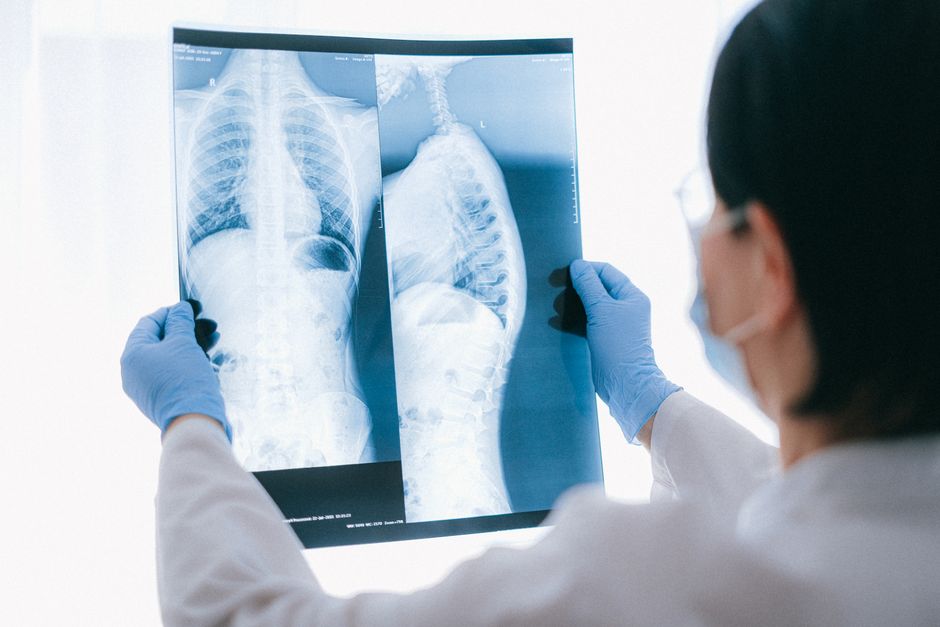
CPAP therapy does not damage the lungs. It delivers room air at a controlled pressure through a mask to keep your airway open while you sleep, and that pressure is well within the range your lungs handle every day without thinking about it. The confusion usually comes from real side effects — dry mouth, bloating, mask discomfort — that people mistake for lung injury. Those symptoms are uncomfortable, not dangerous, and they have fixes.
Can CPAP Damage Your Lungs The Real Risks Explained
Your lungs are built to move air under pressure. A normal breath generates pressure changes in your chest that your airways tolerate constantly. CPAP adds a small amount of continuous positive pressure on top of that — typically between 4 and 20 centimeters of water (cm H₂O), depending on your prescription. For context, that range is measured in centimeters of water, not pounds per square inch. It is gentle pressure.
CPAP does not push air into your lungs the way a ventilator does. It holds a steady cushion of pressure in your upper airway so your throat does not collapse when the muscles relax during sleep. The air still flows in and out on its own, driven by your own breathing. The pressure is a splint, not a pump.
This is why decades of clinical use have not turned up evidence of lung damage from properly used CPAP. The therapy is one of the most studied treatments in sleep medicine, and the safety profile is well established in adults with obstructive sleep apnea.
What Are the Real Side Effects of CPAP?
The side effects people actually experience are mechanical and local — they happen at the mask, nose, mouth, and throat. They are not signs of lung injury.
- Nasal congestion or dryness — pressurized airflow can dry out the nasal passages, especially in dry climates or without a humidifier.
- Dry mouth and throat — often a sign of air leaking through the mouth, which can be fixed with a chin strap or a full-face mask.
- Aerophagia — swallowed air that causes bloating and gas. This happens when pressure is higher than your body needs, or when you breathe through your mouth against the airflow.
- Mask irritation — redness or sores where the mask meets the skin, usually from a poor fit or over-tightening.
- Eye irritation — from mask leaks blowing air toward the eyes.
- Bloating and burping — related to aerophagia, not to lung problems.
None of these reflect damage to lung tissue. They reflect the challenge of delivering pressurized air through a mask for eight hours a night. Most resolve with humidification, a different mask, or a pressure adjustment made by your clinician.
Can CPAP Cause Lung Problems in People With Existing Lung Disease?
This is where the picture gets more nuanced, and it deserves an honest answer. For people with certain pre-existing lung conditions, standard CPAP is not always the right tool, and in a few situations it can cause problems.
In chronic obstructive pulmonary disease (COPD), especially when combined with sleep apnea — a combination clinicians call overlap syndrome — the interaction between the two conditions matters. Positive pressure can help keep the airway open, but it can also affect how well air is exhaled in people whose lungs already trap air. Some patients with COPD do better on a different type of machine called BiPAP (bilevel positive airway pressure), which uses a lower pressure for exhaling. This is a clinical decision, not a self-adjustment.
In severe bullous lung disease — where large air pockets form in the lung tissue — there has been theoretical concern that positive pressure could rupture a bulla and cause a collapsed lung (pneumothorax). This is a rare concern and the evidence is limited. It is a reason clinicians evaluate lung imaging before starting CPAP in someone with known structural lung disease, not a reason to avoid CPAP for the average person.
If you have a diagnosed lung condition and are starting CPAP, tell your sleep specialist. The right machine and settings depend on your specific diagnosis, and that is a conversation for your care team.




Does CPAP Actually Help the Lungs?
For people with obstructive sleep apnea, CPAP supports normal lung and heart function during sleep by preventing the repeated drops in oxygen that occur when breathing stops. Untreated sleep apnea is linked to high blood pressure, heart rhythm problems, stroke, and daytime accidents from sleepiness. Treating it with CPAP reduces those risks.
The benefit to your lungs specifically is indirect but real. When your airway stays open, oxygen levels stay steadier, and your heart and lungs are not working against repeated oxygen dips all night. That is the opposite of damage.
One clarification worth making: CPAP does not “strengthen” your lungs, and it is not a treatment for lung disease itself. It treats sleep apnea. Any claim that it improves lung capacity or heals lung tissue goes beyond what the evidence shows.
What Symptoms Should Make You Call Your Doctor?
Most CPAP side effects are annoying, not urgent. But a few symptoms warrant a call to your clinician rather than a wait-and-see approach.
- Chest pain or sharp pain when breathing
- Sudden shortness of breath that is new or worsening
- Coughing up blood
- Severe bloating or abdominal pain that does not improve
- Signs of a collapsed lung — sudden one-sided chest pain and breathlessness
These symptoms are not typical CPAP side effects and should be evaluated promptly. In most cases they turn out to have another cause, but they are not something to dismiss.
For everyday issues — a dry nose, a sore spot on the bridge of your nose, morning bloating — the fix is usually a call to your equipment provider or sleep clinic, not the emergency room. Small adjustments to humidity, mask type, or pressure often solve the problem.
How Do You Reduce CPAP Side Effects?
Getting comfortable with CPAP is a process, and most people can get there with the right adjustments. The key is not to suffer in silence or abandon therapy without talking to your care team.
- Add a heated humidifier. This is the single most effective fix for nasal dryness and congestion.
- Try a different mask. Nasal pillows, nasal masks, and full-face masks each suit different faces and breathing patterns.
- Loosen the mask. Over-tightening causes leaks and sores. A properly fitted mask should be snug, not tight.
- Ask about pressure adjustment. If you are swallowing air or bloated, your pressure may be higher than needed. Only a clinician should change prescribed settings.
- Use a chin strap if you breathe through your mouth and wake up dry.
- Give it time. Adjustment can take weeks, and that is normal.
If you have tried these steps and still cannot tolerate CPAP, tell your sleep specialist. There are alternatives, including oral appliances and other devices, that may be appropriate depending on your situation.
Where Does the “CPAP Damages Lungs” Idea Come From?
The idea likely grows out of a few real things that get misread.
First, some people do develop a cough or chest tightness after starting CPAP. These are usually from dryness or from the mask, not from lung damage, and they tend to fade with humidification and time.
Second, the connection between sleep apnea and lung conditions like COPD can blur in people’s minds. Because the two often occur together, it is easy to assume the treatment is causing the problem, when the underlying condition is the real issue.
Third, a small number of case reports and studies have raised questions about positive pressure in specific, uncommon lung conditions. Those findings apply to narrow patient groups, not to the general population using CPAP for sleep apnea. Reading them as a general warning about CPAP misrepresents what the research shows.
There is no established evidence that CPAP causes lung damage in healthy adults with obstructive sleep apnea. The therapy has been used and studied for decades, and its safety in that population is well supported.
What to Do If You Are Worried
If something about your CPAP feels wrong — a new cough, chest discomfort, or worsening breathing — do not stop therapy on your own and do not ignore it. Call your sleep clinic or doctor and describe what you are feeling. They can check whether it is a fixable side effect, a sign your pressure needs adjusting, or something unrelated that needs its own evaluation.
The bottom line is straightforward. CPAP does not damage healthy lungs. It is a well-established treatment for sleep apnea with a long safety record. The side effects that do occur are real and worth addressing, but they are mechanical and local, not signs of lung injury. If you have an existing lung condition, your care team should be involved in choosing the right device and settings.
Frequently Asked Questions
Can CPAP cause lung damage?
No, CPAP does not cause lung damage in healthy adults with sleep apnea. The pressure it delivers is gentle and well within what your lungs handle normally, and decades of clinical use support its safety in this group.
Why do I feel bloated or gassy after using CPAP?
This is called aerophagia — swallowed air — and it happens when pressure is higher than your body needs or when you breathe through your mouth. It is uncomfortable but not a sign of lung damage, and adjusting pressure or mask type usually helps.
Is CPAP safe if I have COPD?
It can be, but the right device matters, and some people with COPD do better on bilevel therapy (BiPAP) instead of standard CPAP. This decision should be made by your sleep specialist based on your specific condition.
What are the most common CPAP side effects?
Nasal dryness, congestion, dry mouth, mask irritation, and bloating are the most common. These are local and mechanical issues, not signs of lung injury, and most improve with humidification or a mask change.
