
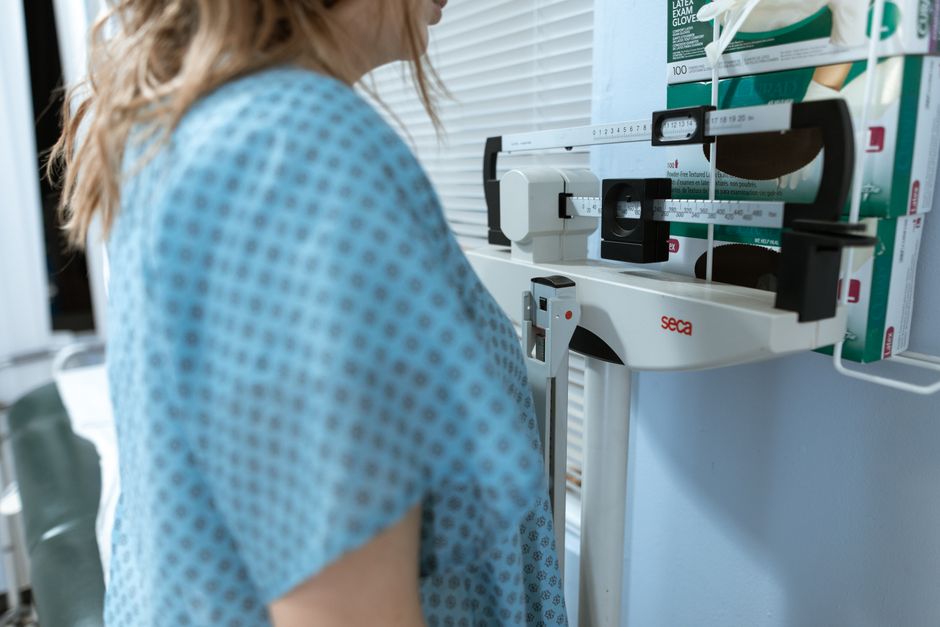
Doctors use three main tools to measure body size and composition: a scale for weight, a calculation called BMI that compares weight to height, and various methods to estimate body fat percentage. Each one answers a different question. Weight tells you total mass. BMI gives a quick screen for weight categories. Body fat measurement shows how much of that mass is fat versus muscle and bone. Doctors rarely rely on just one number. They look at all three together, along with trends over time, to get a full picture of your health.
How Do Doctors Measure Weight Bmi And Body Fat?
Weight is the simplest measurement. Doctors use a calibrated scale, and they record your weight in kilograms or pounds. The key is consistency. Your weight should be taken at the same time of day, on the same scale, and in similar clothing to track real changes rather than daily fluid shifts.
BMI, or body mass index, is a calculation using your weight and height. The formula is weight in kilograms divided by height in meters squared. For most adults, a BMI under 18.5 is underweight, 18.5 to 24.9 is normal, 25 to 29.9 is overweight, and 30 or higher is obesity. These categories come from large population studies linking BMI ranges to health risks.
Body fat percentage is measured differently. The most accurate methods are imaging-based, like DEXA scans, which use low-dose X-rays to separate fat from lean tissue. Other options include bioelectrical impedance analysis, which sends a mild electrical current through the body, and skinfold caliper measurements taken at specific body sites. Each method has strengths and limitations.
Why BMI Is Not the Whole Story
BMI has a clear limitation: it does not distinguish between muscle and fat. A highly trained athlete with dense muscle mass can have a BMI in the overweight or obese range while carrying very little body fat. Conversely, an older adult can have a normal BMI but low muscle mass and higher fat percentage, a condition sometimes called sarcopenic obesity.
Despite these limitations, BMI remains useful for population screening. It is inexpensive, quick, and requires no special equipment. For most people, BMI correlates reasonably well with body fat percentage. The problems emerge when BMI is used alone to judge an individual’s health. Doctors know this and typically combine BMI with other measurements before making any assessment.
Waist circumference adds important information. Fat stored around the abdomen, called visceral fat, is more strongly linked to metabolic problems than fat stored under the skin elsewhere. The research is consistent here: excess visceral fat raises risks for heart disease, type 2 diabetes, and other conditions. A tape measure around the waist catches what BMI misses.
What Body Fat Percentage Really Tells You
Body fat percentage is the proportion of your total weight that comes from fat. Healthy ranges vary by sex and age. Women naturally carry more essential fat for reproductive function, so their healthy ranges run higher than men’s. For men, athletic ranges typically fall between 6 and 24 percent. For women, athletic ranges typically fall between 14 and 31 percent. These numbers shift upward with age.
Body fat percentage matters because it distinguishes between fat mass and fat-free mass. Fat-free mass includes muscle, bone, water, and organs. Maintaining adequate muscle mass is important for mobility, metabolism, and overall health as you age. Knowing your body fat percentage helps you see whether weight changes are coming from fat loss or muscle loss.
The challenge is accuracy. Consumer scales that claim to measure body fat using bioelectrical impedance are convenient but can be off by several percentage points. Hydration status, food intake, and skin temperature all affect the reading. DEXA scans are far more accurate but require specialized equipment and are not part of routine doctor visits.




How Doctors Choose Between Measurement Methods
For routine checkups, doctors typically start with weight, height, and BMI. These measurements require only a scale and a stadiometer, the device used to measure height. They are reproducible and have decades of research behind them. If your BMI falls into an overweight or obese range, your doctor will likely add waist circumference to the assessment.
Body fat percentage measurement is not routine in primary care. It is more common in specialized settings like sports medicine, nutrition clinics, or research studies. When doctors do measure body fat, they prefer methods with proven accuracy. DEXA is considered a reference standard. Hydrostatic weighing, where you are weighed underwater, is also highly accurate but impractical for most clinical settings.
Bioelectrical impedance is the most accessible method. Many clinics use standing scales with metal foot plates that estimate body fat in seconds. The readings are useful for tracking trends over time, provided you measure under similar conditions each time. They are less reliable for absolute values, so a single reading should not be treated as a precise number.
The Limits of Every Measurement
Every body measurement has error. Weight fluctuates daily with hydration, meal timing, and even time of day. BMI misclassifies muscular individuals and can miss fat distribution patterns. Body fat measurements vary by method, technician skill, and the device used. Skinfold calipers require proper training to get consistent results. Even DEXA scans have small margins of error.
Doctors account for these limitations by looking at patterns rather than single readings. A one-time BMI of 26 means little on its own. A BMI that has climbed from 23 to 26 over two years, combined with an increasing waist circumference, tells a more meaningful story. Trends matter more than snapshots.
There is also the question of what these numbers actually predict. BMI and body fat percentage are risk indicators, not diagnoses. They can flag increased risk for conditions like cardiovascular disease and diabetes, but they do not determine whether you will develop those conditions. Many people with elevated BMI have normal blood pressure, cholesterol, and blood sugar. Many people with normal BMI do not.
What Doctors Actually Recommend for Tracking
For most people, the practical approach is simple. Weigh yourself consistently, ideally once a week at the same time of day. Know your BMI and where it falls in the standard categories. Measure your waist circumference periodically. These three numbers, tracked over months and years, provide a solid foundation for understanding your body composition trends.
Body fat percentage is worth knowing if you are actively trying to change your body composition, such as building muscle while losing fat. In that case, a DEXA scan every six to twelve months can show whether you are losing fat and preserving or gaining muscle. Consumer scales are fine for between-scan tracking, but treat their numbers as estimates, not gospel.
No single measurement defines your health. A doctor evaluating your weight will also check blood pressure, blood sugar, cholesterol, and ask about your activity level, diet, sleep, and family history. These factors together paint the full picture. Weight, BMI, and body fat are pieces of that picture, not the whole image.
Frequently Asked Questions
What is the most accurate way to measure body fat?
DEXA scans are considered the most accurate clinical method available for measuring body fat percentage. They use low-dose X-rays to distinguish fat from lean tissue and bone.
Why is my BMI high if I am muscular?
BMI only compares weight to height and does not distinguish muscle from fat. Muscular individuals can have a high BMI while having a low body fat percentage.
How often should I weigh myself?
Once a week at the same time of day is a reasonable frequency for tracking trends. Daily weighing shows normal fluid fluctuations that can be misleading.
Can I measure my body fat at home accurately?
Home scales with bioelectrical impedance give estimates, not precise measurements. They are useful for tracking trends but can vary with hydration and food intake.
