
In the 1700s, there was no lab test, no hormone strip, and no ultrasound. People checked for pregnancy by watching the body for signs, and by running simple urine experiments that seem strange today. The most famous of these was the wheat and barley test, described in an old English text. A woman’s urine was poured over wheat and barley seeds over several days. If the seeds grew, she was thought to be pregnant. If they did not, she was not.
Other methods included looking at the color of the urine, checking the pulse, and watching for missed periods and breast changes. None of these could confirm pregnancy the way a modern test can. They were the best tools available at the time, and many of them were wrong.
How Did They Test For Pregnancy In The 1700S?
The main methods relied on observation and folk science rather than chemistry. A woman or her doctor would track missed periods, changes in appetite, breast tenderness, and the look of her urine. Some of these signs are real. Others were guesswork.
The wheat and barley test was the closest thing to a lab procedure. It was documented in 1699 in a book by the English physician John Floyer, and it stayed in use through the 1700s. The idea was that a pregnant woman’s urine contained something that made seeds grow faster. Modern researchers have looked at this idea. A 1963 study found that urine from pregnant women could sometimes affect seed growth, but the results were not reliable enough to use as a test. So the method was not pure fantasy, but it did not work as a dependable pregnancy test.
Other tests were even less scientific. Some healers claimed that mixing a woman’s urine with wine would reveal pregnancy. Others said that certain metals or needles would change color. There was no consistent rule, and results varied from person to person.
What Was the Wheat and Barley Test and Did It Work?
The wheat and barley test was a simple experiment. A woman’s urine was poured over wheat and barley seeds, usually in separate pots. The seeds were checked over several days. If the wheat grew first, it was said to mean a boy. If the barley grew first, it was said to mean a girl. If nothing grew, the woman was not pregnant.
This method spread across Europe and was still being mentioned in medical texts into the 1800s. It sounded reasonable to people at the time. They believed pregnancy changed the urine in a way that could feed plant life.
Modern science has a partial explanation. Urine from pregnant women does contain higher levels of certain hormones, including human chorionic gonadotropin, or hCG. That is the hormone modern pregnancy tests detect. But the amount of hCG in urine is not enough to reliably speed up seed growth in a way you could see with your eyes. The 1963 study that looked at this found inconsistent results. Some samples seemed to affect growth, but many did not. The test was not accurate enough to trust.
So the wheat and barley test was not completely made up. It was based on a real biological change. But it did not work as a reliable test, and it gave wrong answers often.
What Other Signs Did People Use to Detect Pregnancy?
Most people in the 1700s did not have access to any formal test. They relied on their own bodies and the advice of midwives or doctors. The signs they watched for were a mix of real and imagined.
Missed periods were the most common clue. A woman who usually had regular cycles and then stopped would suspect pregnancy. This is still one of the first signs today. But missed periods can also happen from stress, illness, poor nutrition, or other causes. So it was never a sure sign.
Breast changes were another clue. Breasts often become tender, fuller, or darker around the nipples during early pregnancy. These changes are caused by hormones and are real. But they can also happen before a period or from other hormonal shifts. So they were helpful but not definitive.
Other signs people looked for included:
- Nausea or vomiting, especially in the morning
- Feeling tired or sleepy more than usual
- Changes in appetite or cravings
- A feeling of fullness or movement in the belly
- Changes in the color or smell of urine
Some of these are real pregnancy symptoms. Nausea, fatigue, and appetite changes are common in early pregnancy. But they can also come from other conditions. Without a test, there was no way to be sure.





Why Did People Believe These Methods Worked?
In the 1700s, medicine was based on observation and tradition. There were no microscopes powerful enough to see hormones, and no understanding of how hormones worked. Doctors and midwives did the best they could with what they had.
When a method seemed to work some of the time, people trusted it. If a woman’s urine made seeds grow and she later had a baby, the test was remembered as a success. If it failed, people might blame the seeds, the timing, or the woman’s body. This is called confirmation bias. It is a common human error, and it shaped many medical beliefs of the time.
Another factor was that pregnancy often became obvious on its own. A woman who missed several periods and felt her belly grow would know she was pregnant without any test. The tests were mostly used in the early weeks, when signs were unclear. That is exactly when they were least accurate.
Some of these methods also had a cultural purpose. They gave women and their families a sense of control in a time when pregnancy was risky and uncertain. Even if the test was wrong, it offered hope or comfort.
When Did Pregnancy Testing Become Accurate?
Real progress came in the 1920s and 1930s, when scientists discovered hCG. This hormone is made by the placenta soon after implantation. It appears in urine and blood, and it is the basis of all modern pregnancy tests.
The first reliable tests used animals. In the 1920s, researchers found that injecting a pregnant woman’s urine into a mouse or rabbit could cause changes in the animal’s ovaries. This was called the Aschheim-Zondek test. It was accurate but slow, expensive, and required killing the animal. Later tests used frogs and toads, which were easier to keep and did not need to be killed.
These animal tests were used into the 1960s. They were a big step up from the wheat and barley method, but they were still not something a woman could do at home. They required a lab, a doctor, and days of waiting.
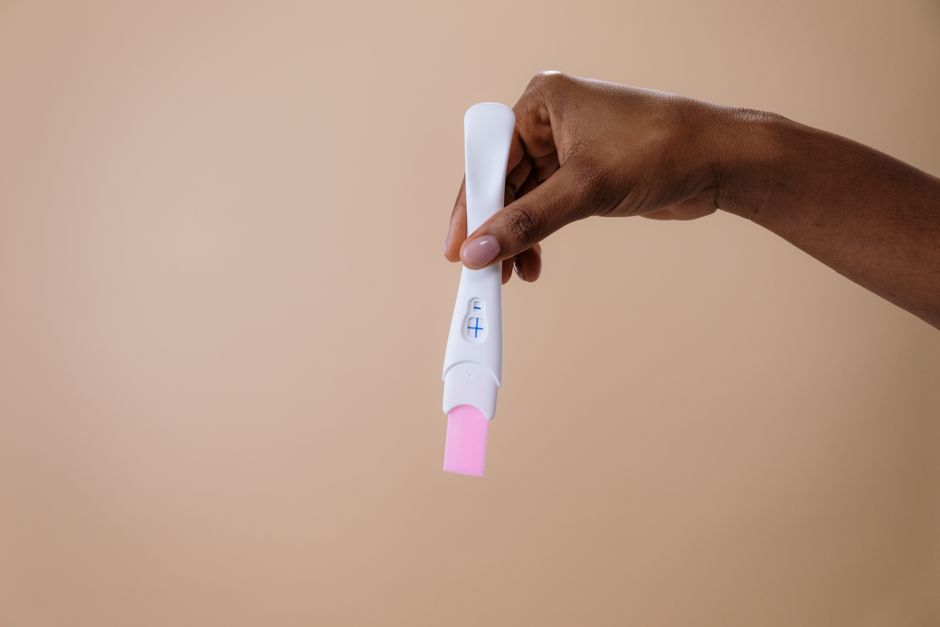
The first home pregnancy test came in 1976. It used a simple chemical reaction to detect hCG in urine. Since then, tests have become faster, cheaper, and more sensitive. Modern tests can detect pregnancy as early as the first day of a missed period, and some claim to work even a few days before.
Today’s tests are over 99% accurate when used correctly. That is a world away from the 1700s, when a woman might have to wait months to know for sure.
What Can We Learn From These Old Methods?
The pregnancy tests of the 1700s remind us how far medicine has come. They also show that people have always wanted to know about pregnancy early, and that they used the best tools they had.
Some of those tools were based on real biology. The wheat and barley test, for example, was not completely wrong. It just was not sensitive enough to be useful. Others were pure folklore, like mixing urine with wine. The difference between the two is not always obvious without modern science.
One lesson is that a test can seem to work without actually working. If a method gives the right answer most of the time by chance, people will trust it. That is why modern medicine relies on controlled studies, not just personal experience. A test has to be compared against a known standard to know if it is accurate.
Another lesson is that uncertainty is hard. In the 1700s, a woman who thought she might be pregnant had no way to be sure for weeks or months. That uncertainty affected her health, her plans, and her family. Modern tests have removed much of that uncertainty, but they are still not perfect. No test can tell you everything about a pregnancy.
If you are wondering about pregnancy today, the tools are far better. A home urine test or a blood test at a doctor’s office can give you a clear answer. If you have questions about symptoms or timing, talk to a healthcare provider. They can help you understand what your body is doing and what steps to take next.
Frequently Asked Questions
Did the wheat and barley test actually work?
No, it was not reliable. Some research suggests pregnant urine can slightly affect seed growth, but the results were too inconsistent to use as a real test.
What was the most common way to tell if you were pregnant in the 1700s?
Watching for a missed period was the most common clue. Other signs like breast tenderness, nausea, and fatigue were also used, but none could confirm pregnancy on their own.
When did pregnancy tests become accurate?
Pregnancy tests became reliable in the 1920s and 1930s with the discovery of the hormone hCG. The first home test was introduced in 1976.
Could a doctor in the 1700s confirm pregnancy for sure?
No. There was no test that could confirm pregnancy with certainty. Doctors and midwives relied on physical signs and urine experiments that were often wrong.
