
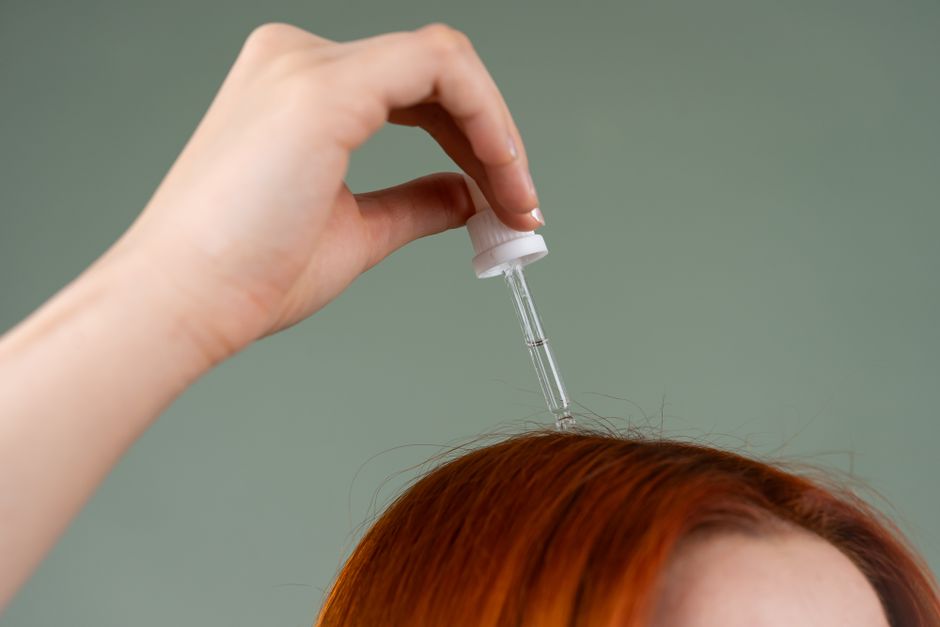
Head lice are a common nuisance, especially for families with school-aged children. The moment you spot them, your first question is usually about treatment. But the question that follows is just as important: how contagious is lice after treatment? The short answer is that once you have completed the proper treatment and removed all the nits (eggs), you are no longer contagious. However, the risk of spreading lice only ends when the treatment is done correctly and all live bugs are gone, which can take a bit of time and careful effort.
How Contagious Is Lice After Treatment?
You are not contagious immediately after applying the treatment. The treatment kills the live lice, but it does not always kill all the eggs. This is why the standard advice is to re-check and often re-treat after a specific number of days. Until you have removed the dead bugs and confirmed there are no new live lice hatching, you should still assume you can pass them to others.
In practical terms, a person is considered contagious as long as there are live lice on their head. Once the treatment has been applied and you have combed out the dead lice and nits, the immediate risk is gone. But because some eggs may survive, you must follow the full treatment schedule. If you stop after the first application, you may still have live lice a week later, and you are contagious again.
How Do Head Lice Spread?
Head lice do not jump or fly. They crawl. They spread through direct head-to-head contact. This usually happens during play, sports, or when children share a bed or a couch. Lice cannot survive away from a human scalp for more than about 24 to 48 hours. They feed on blood several times a day, so they need to stay on a warm scalp to live.
Because they do not jump, the risk of catching lice from a classroom floor or a bus seat is very low. The main way they move from one person to another is by direct contact between heads. This is why lice spread so quickly among young children who play closely together. It is also why sharing hats, brushes, or pillows can spread lice, although this is less common than direct contact.
What Does a Successful Treatment Actually Do?
Most over-the-counter lice treatments contain either pyrethrin or permethrin. These are insecticides that attack the nervous system of the lice. They are effective against live lice, but they do not reliably kill the eggs. This is the reason for the “second treatment” rule. The eggs hatch in about 7 to 10 days. If you treat again at that point, you kill the newly hatched lice before they can lay more eggs.
Prescription treatments are also available. Some of these, like spinosad or ivermectin, may be more effective against eggs. But even with these, manual removal of nits is strongly recommended. No treatment is 100 percent effective at killing every single egg. The only way to be certain you are no longer contagious is to look at the scalp and see no live lice.
It is also important to understand that lice do not cause disease. They are a nuisance and a source of itching, but they do not carry or transmit any serious illness. The main concern is the itching and the social disruption that comes with an infestation.




How Long Until You Are No Longer Contagious?
If you follow the treatment instructions exactly, you are no longer contagious once the live lice are dead and the eggs are removed. This can be achieved on the first day if you comb out all the nits. But in practice, it often takes a few days. You should check the scalp every day for at least two weeks after the first treatment. If you see a live louse at any point, you are still contagious and need to repeat the treatment.
Here is the key timeline to understand:
- Day 1: Apply treatment. Comb out dead lice and as many nits as possible. You are no longer contagious if no live lice remain.
- Days 2 to 7: Check the scalp daily. If you see a live louse, you are contagious again and need to re-treat.
- Day 7 to 10: Apply the second treatment as directed. This kills any lice that hatched from surviving eggs.
- Days 10 to 14: Continue daily checks. If no live lice are seen for two consecutive days, you are clear.
This schedule is based on the life cycle of the louse. The eggs take about a week to hatch. The second treatment is timed to catch those newly hatched lice before they mature and lay eggs of their own.
Can You Get Lice Again After Treatment?
Yes. Treatment kills the lice on the person, but it does not protect against new infestations. If you are treated and then have head-to-head contact with someone who still has live lice, you can get them again. This is not a failure of the treatment. It is a new exposure.
This is why family members and close contacts should be checked at the same time. If one person in a household has lice, everyone should be checked. Treating only one person while others remain infested will lead to a cycle of re-infestation. Many parents treat their child, only to find lice again a week later. The reason is usually that a sibling or a parent was also infested but was not treated.
Do You Need to Clean the House?
Head lice do not survive long off the scalp. The risk of catching lice from furniture, carpets, or bedding is very low. However, it is sensible to take some basic precautions. Wash bedding, hats, and clothing that were used in the 48 hours before treatment in hot water. Dry them on high heat. Items that cannot be washed can be sealed in a plastic bag for two weeks. This is enough time for any lice or eggs to die.
You do not need to fumigate the house or use harsh chemical sprays. Vacuuming carpets and furniture is enough. The American Academy of Pediatrics and the Centers for Disease Control and Prevention both state that extensive cleaning is not necessary. The focus should be on treating the scalp, not the house.
Why Do Some People Think Lice Are More Contagious Than They Are?
There is a widespread myth that lice can survive on furniture, hats, and clothing for days. This is not true. Lice need human blood to survive. They cannot feed on pets, and they cannot live on non-living surfaces for more than a day or two. The idea that you need to boil every pillowcase or throw out stuffed animals is based on fear, not evidence.
Another myth is that lice prefer dirty hair. This is also false. Lice are equally happy on clean and dirty hair. In fact, some studies suggest that lice may prefer clean hair because it is easier to grip. There is no truth to the idea that poor hygiene causes lice. Anyone can get them.
Finally, some people believe that lice can jump or fly. They cannot. They only crawl. This means that the risk of catching lice in a classroom or a movie theater is very low unless heads actually touch. Understanding this can help reduce the panic that often accompanies a lice diagnosis.
When Should You See a Doctor?
Over-the-counter treatments work for most people. But there are situations where you should see a doctor. If you have used the treatment correctly and still see live lice after two full rounds, you may be dealing with resistant lice. Some populations of lice have become resistant to permethrin and pyrethrin. A doctor can prescribe a different medication.
You should also see a doctor if the skin on the scalp becomes infected. Scratching can break the skin and allow bacteria to enter. Signs of infection include redness, swelling, warmth, or oozing. This is not common, but it can happen with a severe infestation.
Pregnant or breastfeeding women and children under two years old should not use most over-the-counter lice treatments without consulting a doctor first. The safety of these products in these groups is not well established. A doctor can recommend a safer alternative or a different approach.
Should Children Stay Home From School?
Most schools and pediatricians agree that a child should not be sent to school with live lice. However, the “no-nit” policy that many schools used in the past is no longer recommended by major medical organizations. The American Academy of Pediatrics and the National Association of School Nurses both advise against excluding children simply because they have nits. Nits that are not alive do not spread lice.
The practical rule is this: a child can return to school after the first treatment, as long as they have no live lice on their head. You do not need to wait until every single nit is gone. Dead nits are not contagious. This policy reduces unnecessary absences while still protecting other children.
Frequently Asked Questions
Can lice survive on pillows and sheets?
Lice can survive off the scalp for up to 48 hours, but they rarely do. The risk of catching lice from bedding is very low, and washing items in hot water is enough to eliminate it.
Do I need to treat everyone in the house?
You only need to treat people who have live lice or nits. Check everyone, but do not apply treatment to someone who does not have lice.
Can you get lice from a swimming pool?
No. Lice cannot survive in chlorinated water, and they do not spread through swimming pools. Direct head-to-head contact is the main way lice spread.
Why did the treatment not work?
The treatment may not have killed all the eggs, or you may have been exposed to lice again after treatment. Re-treat at the recommended interval and check everyone in the household.
