
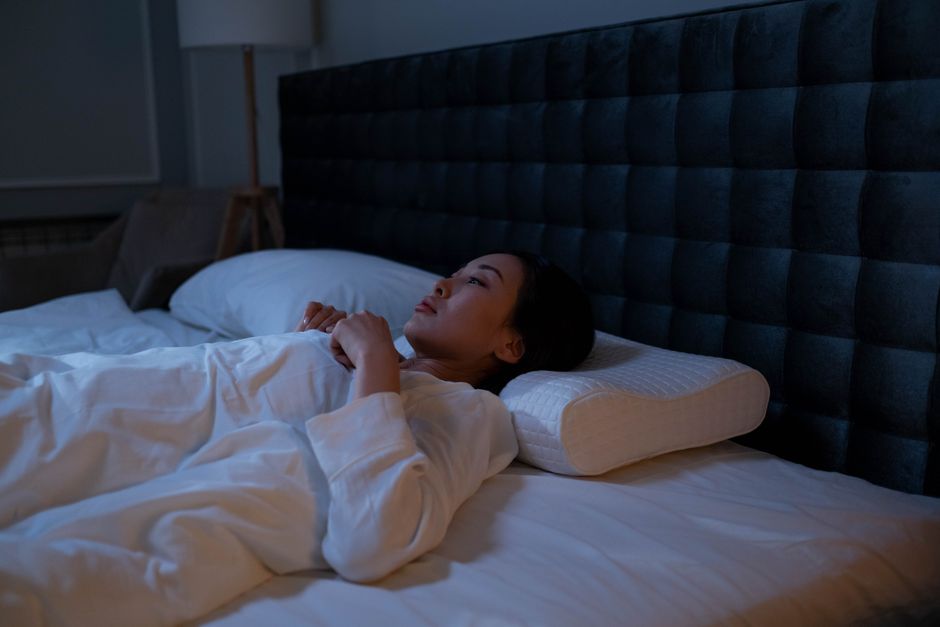
Waking up to a wet pillow is common and usually harmless, but it is still frustrating. Drooling during sleep happens because your facial muscles and throat relax completely, allowing saliva to pool and escape your mouth. You can stop or reduce it by changing your sleep position, breathing through your nose, and addressing any underlying causes like allergies or acid reflux.
Why Do You Drool When You Sleep?
Saliva production does not stop while you sleep. Your body continues to make it to keep your mouth moist and protect your teeth. The problem is that your swallowing reflex slows down during deep sleep.
When you sleep on your back, gravity usually keeps saliva in your mouth. When you sleep on your side or stomach, gravity works against you. The relaxed muscles in your face and throat let saliva drip forward and out of your lips. This is the most common reason people wake up to a wet pillow.
Some people also breathe through their mouth at night. Mouth breathing dries out the oral tissues, which triggers extra saliva production. This combination — relaxed muscles, gravity, and mouth breathing — creates the perfect conditions for drooling.
How Can You Stop Drooling In Your Sleep?
Change your sleep position first. Sleeping on your back is the single most effective position change for most people. When you lie face-up, saliva naturally pools at the back of your throat, and you swallow it more easily.
If you tend to roll onto your side during the night, you can train yourself to stay on your back. Some people use a body pillow or a specially designed wedge pillow to make side-sleeping uncomfortable. Others place a rolled-up towel behind their back. It takes a few nights to adjust, but most people adapt.
Breathing through your nose is the second major fix. If your nose is congested, you will breathe through your mouth, and mouth breathing increases drooling. Treating nasal congestion with a saline rinse, a humidifier in your bedroom, or an antihistamine if allergies are the cause can help. If congestion is chronic, an allergist or ENT specialist can identify the underlying issue.
What Causes Excessive Drooling During Sleep?
Sometimes drooling is not just about sleep position. Certain medical conditions increase saliva production or make it harder to swallow.
Allergies and sinus infections cause nasal congestion, which forces mouth breathing. Acid reflux can stimulate excess saliva production as your body tries to neutralize stomach acid that rises into the throat. Sleep apnea is another possibility — people with sleep apnea often breathe through their mouth and may drool more.
Some medications list drooling as a side effect. Antipsychotics, some Alzheimer’s medications, and certain muscle relaxants can increase saliva or reduce swallowing frequency. If you started a new medication and noticed more drooling, talk to your prescriber.
Neurological conditions like Parkinson’s disease or a prior stroke can weaken the muscles involved in swallowing. In these cases, drooling during sleep may be part of a broader swallowing problem that deserves medical attention.





Are There Medical Treatments for Nighttime Drooling?
For persistent cases that do not respond to position changes or treating the underlying cause, medical options exist.
Some clinicians prescribe medications that reduce saliva production. These include anticholinergic drugs like glycopyrrolate or scopolamine patches. These medications work by blocking nerve signals that stimulate saliva glands. They can be effective, but they come with side effects like dry mouth, blurred vision, and constipation. They are generally reserved for people whose drooling significantly affects their quality of life.
Botulinum toxin injections are another option. Botox injections into the salivary glands can reduce saliva production for several months. This treatment is more commonly used for people with neurological conditions, but some clinicians offer it for severe nighttime drooling. Evidence for this use is limited, and it should be discussed with a specialist.
In rare, severe cases, surgery on the salivary glands is considered. This is almost always reserved for people with neurological conditions who cannot manage drooling any other way. It is not a first-line treatment for healthy adults who simply sleep on their side.
When Should You See a Doctor About Drooling?
Occasional drooling is not a medical concern. You can manage it with the position and breathing changes described above.
See a doctor if you notice any of the following:
- Sudden onset of drooling, especially if you never drooled before
- Drooling accompanied by difficulty swallowing or speaking
- Facial weakness or drooping
- Choking or coughing during sleep
- Loud snoring, gasping, or pauses in breathing during sleep
- Drooling that happens during the day as well
Sudden drooling with facial weakness or difficulty speaking can be a sign of a stroke. Call emergency services immediately if these symptoms appear suddenly. Daytime drooling or difficulty swallowing warrants an evaluation, as it may point to a neurological issue.
If your drooling is related to sleep apnea, treating the apnea — often with a CPAP machine — frequently resolves the drooling as a bonus. Many people report less drooling once they start using CPAP because they switch from mouth breathing to nasal breathing.
Does Sleeping on Your Back Really Help?
Yes, for most people. The evidence is not from large clinical trials, but the mechanism is clear. In a supine position, saliva pools at the back of the throat where swallowing is easier. On your side, saliva follows gravity toward your lips.
One small study that surveyed sleep positions and drooling found that side sleepers reported more drooling than back sleepers. The study was small, but the physiological explanation supports the finding. If you are a dedicated side sleeper, try back sleeping for at least a week before giving up on this change.
If back sleeping makes your snoring worse or you feel uncomfortable, a wedge pillow that elevates your head slightly may help. Elevation can reduce drooling by keeping your head above your chest, which makes swallowing easier and may also help with acid reflux.
Frequently Asked Questions
Frequently Asked Questions
Is drooling in your sleep a sign of a health problem?
Usually not — it is most often caused by sleep position and relaxed facial muscles. But if drooling is sudden, severe, or accompanied by swallowing difficulty or facial weakness, it warrants medical evaluation.
Can allergies make you drool in your sleep?
Yes, allergies can cause nasal congestion that forces you to breathe through your mouth, which increases drooling. Treating the allergy with antihistamines or a nasal rinse can reduce the problem.
What is the fastest way to stop drooling at night?
Switch to sleeping on your back and breathe through your nose. These two changes address the most common causes and often work within a few nights.
Does drooling get worse with age?
Drooling can increase with age if swallowing muscles weaken or if conditions like Parkinson’s disease develop. However, aging alone does not guarantee more drooling — many older adults drool less because they naturally sleep more on their back.
