
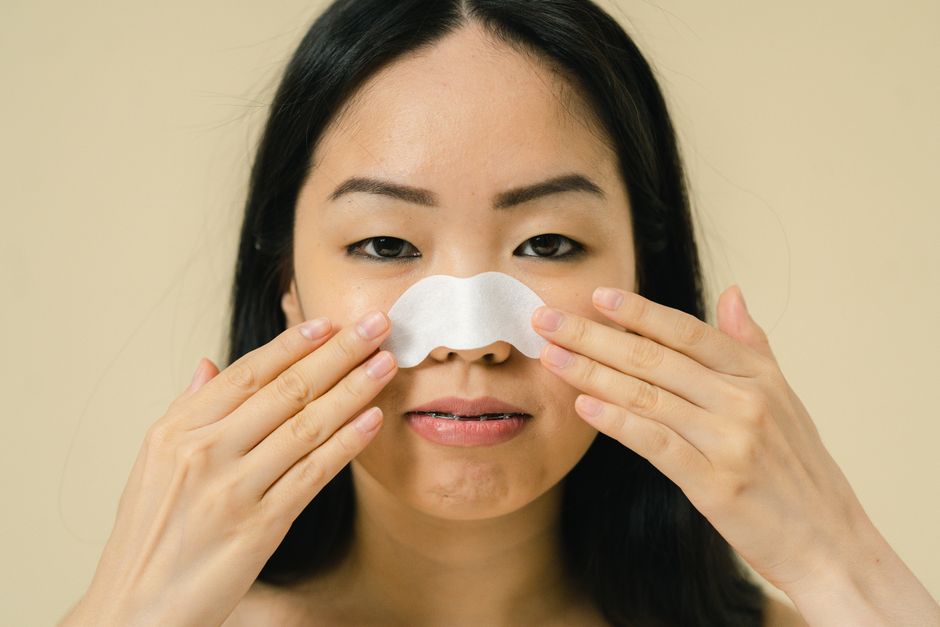
Whiteheads are small, flesh-colored bumps that form when a pore becomes clogged with oil and dead skin cells but stays closed at the surface. You can remove them safely at home with the right cleansing routine, topical treatments containing salicylic acid or benzoyl peroxide, and gentle physical exfoliation. The most important rule is to never squeeze or pick at them, as this pushes bacteria deeper and increases the risk of scarring and infection.
What Exactly Is a Whitehead?
A whitehead is a type of acne called a closed comedone. Your skin naturally produces sebum, an oil that keeps it lubricated. Normally, sebum travels up the hair follicle and out through the pore. When dead skin cells mix with excess oil, they can form a plug that blocks the opening of the pore.
Because the pore stays closed at the surface, the plug is not exposed to air. This is what distinguishes a whitehead from a blackhead, which is open to the air and turns dark through oxidation. The white appearance comes from the trapped oil and skin cells visible beneath a thin layer of skin.
How Can You Remove Whiteheads Safely at Home?
The safest approach to removing whiteheads involves daily prevention and targeted treatment. Cleansing your face twice daily with a gentle cleanser removes excess oil without stripping your skin’s natural moisture barrier. Look for cleansers labeled “non-comedogenic,” which means they are formulated not to clog pores.
Topical treatments are the most effective at-home option. Salicylic acid is a beta hydroxy acid that penetrates oil-filled pores and dissolves the bonds holding dead skin cells together. Benzoyl peroxide works differently — it kills the bacteria that contribute to acne and helps remove excess oil. Both are available over the counter in cleansers, toners, and spot treatments.
Use these products consistently for at least four to six weeks. Acne treatments do not work overnight. Your skin’s cell turnover cycle takes about 28 days, so visible improvement requires patience and regular application.
Which Over-the-Counter Products Actually Work?
Several active ingredients have solid evidence behind them for treating whiteheads. Salicylic acid is considered the first-line treatment for closed comedones because it is oil-soluble and can penetrate the pore lining. Products typically contain it at concentrations between 0.5% and 2%.
Benzoyl peroxide is effective for inflammatory acne and also helps with clogged pores. It is available in strengths from 2.5% to 10%. Research suggests that lower concentrations are just as effective as higher ones but cause less irritation. Start with a lower strength if you have sensitive skin.
Other options include:
- Adapalene — a retinoid available over the counter at 0.1% strength. It normalizes skin cell turnover and prevents pores from clogging.
- Azelaic acid — helps unclog pores and has anti-inflammatory properties.
- Glycolic acid — an alpha hydroxy acid that exfoliates the skin surface.
Use only one active treatment at a time when starting. Combining too many products can irritate your skin and make breakouts worse.


Is Extraction by a Professional Worth It?
Dermatologists and licensed estheticians can remove whiteheads using sterile tools designed specifically for extraction. The procedure involves a small metal loop called a comedone extractor. The professional applies gentle pressure around the whitehead to release the plug without damaging surrounding skin.
Professional extraction is generally safe when performed by someone trained to do it. It is a reasonable option if you have many whiteheads that do not respond to at-home treatments. Most dermatologists recommend it as an adjunct to a proper skincare routine rather than a standalone solution.
The cost varies widely depending on your location and provider. A single session typically runs between $75 and $150. Insurance rarely covers cosmetic extractions.
What Happens If You Squeeze a Whitehead?
Squeezing a whitehead is the single worst thing you can do. When you apply pressure, you can rupture the follicle wall beneath the skin. This pushes oil, dead skin cells, and bacteria deeper into the surrounding tissue.
The result is often a larger, more inflamed pimple. You also risk permanent scarring and hyperpigmentation — dark spots that can linger for months. Your hands carry bacteria that can introduce new infections into the pore.
If you feel you absolutely must extract at home, the correct technique involves steaming your face for a few minutes to soften the skin, wrapping your fingers in tissue, and applying gentle pressure on both sides of the whitehead. Stop immediately if the plug does not release with light pressure. Never use your fingernails.
What Lifestyle Changes Help Prevent Whiteheads?
Your skincare routine matters, but so do daily habits. Wash your face after sweating, especially after exercise. Sweat can mix with oil and dead skin cells, increasing the chance of clogged pores.
Choose makeup and sunscreen labeled “non-comedogenic” or “oil-free.” These products are formulated to minimize pore blockage. Remove all makeup before bed — sleeping in makeup is a direct cause of clogged pores.
Change your pillowcase at least once a week. Your pillowcase collects oil, dead skin cells, and hair products that transfer back onto your face while you sleep. The same logic applies to your phone screen, which presses against your face during calls.
Dietary evidence is mixed. Some research suggests that high-glycemic foods and dairy may worsen acne in certain people, but results are not consistent enough to recommend universal dietary changes. If you notice breakouts after eating specific foods, it is reasonable to reduce them and observe whether your skin improves.
When Should You See a Dermatologist?
See a dermatologist if over-the-counter treatments have not improved your skin after two to three months of consistent use. Also seek professional help if your whiteheads are widespread, inflamed, or leaving scars.
A dermatologist can prescribe stronger treatments that are not available over the counter. These include:
- Tretinoin — a prescription-strength retinoid
- Clindamycin — a topical antibiotic
- Oral medications — such as spironolactone for hormonal acne in women
Prescription treatments are more potent than anything you can buy at a pharmacy. They also carry more potential side effects, which is why they require medical supervision.
Do Natural Remedies Remove Whiteheads?
Tea tree oil has some evidence supporting its use for acne. A few small studies have found that a 5% tea tree oil gel is comparable to benzoyl peroxide in reducing acne lesions, though it works more slowly. It also causes less irritation. If you try tea tree oil, dilute it with a carrier oil — applying it undiluted can cause chemical burns.
Other natural remedies like toothpaste, lemon juice, or baking soda have no clinical evidence behind them. These substances can irritate the skin, disrupt its pH balance, and worsen your breakouts. Avoid them.
No natural remedy has been proven more effective than the established over-the-counter treatments. When in doubt, stick with ingredients that have solid clinical research behind them.
How Long Does It Take to See Results?
Most topical acne treatments require four to eight weeks of consistent use before you see meaningful improvement. Complete clearance of stubborn whiteheads may take up to three months. This timeline reflects the time your skin needs to shed existing clogged material and establish a healthier cell turnover cycle.
If you experience severe irritation, redness, or peeling, reduce the frequency of application. Use the product every other day until your skin adjusts. Irritated skin produces more oil to compensate, which can paradoxically make acne worse.
Frequently Asked Questions
Can toothpaste remove whiteheads overnight?
No. Toothpaste has no evidence supporting its use for acne and can irritate or burn your skin.
Does popping a whitehead make it go away faster?
No. Popping usually makes it worse by pushing bacteria deeper and causing more inflammation.
Is it safe to use a comedone extractor tool at home?
It can be safe if you sterilize the tool and use gentle pressure, but most people press too hard and damage the skin.
Can moisturizer cause whiteheads?
Some moisturizers can clog pores, but skipping moisturizer entirely can dry your skin and trigger excess oil production. Choose a non-comedogenic formula.
