
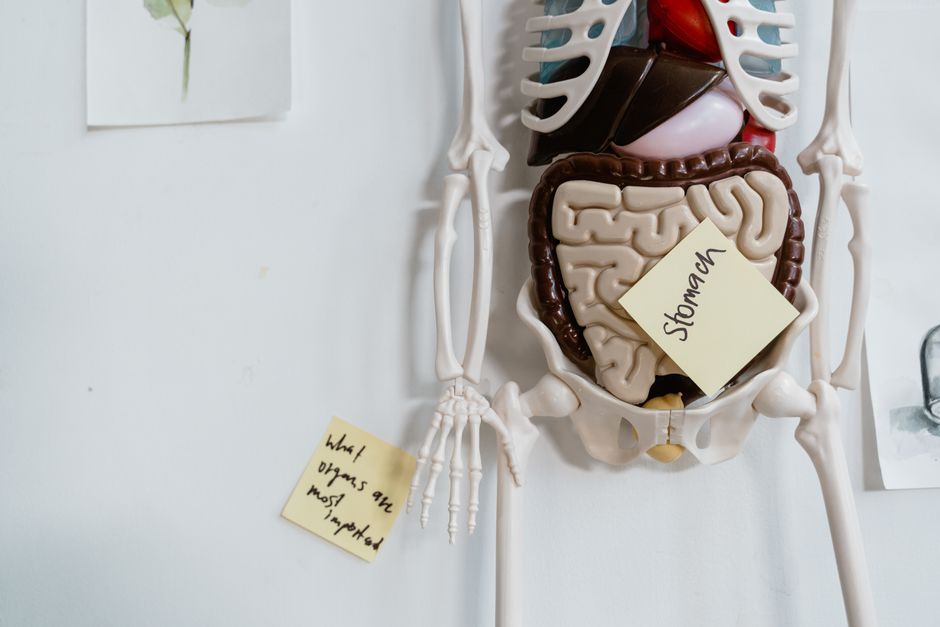
Stomach fat is stubborn for a reason. It doesn’t respond to sit-ups, and it doesn’t disappear just because you cut calories for a week. The way to reduce it is to lose fat across your whole body through a sustained calorie deficit, regular physical activity, adequate sleep, and limits on alcohol and added sugar. No exercise can target fat on one specific area. Where your body stores fat and in what order it comes off is largely genetic and hormonal, not something you can direct.
Why Is Stomach Fat Different From Other Fat?
Not all fat behaves the same way. The fat just under your skin, called subcutaneous fat, is the soft kind you can pinch. The fat stored deeper inside your belly, wrapped around your organs, is called visceral fat. Visceral fat is the one that matters most for health.
Visceral fat is metabolically active. It releases fatty acids and inflammatory signals directly into the bloodstream and into the liver through the portal vein. This is one reason it is linked to insulin resistance, type 2 diabetes, and heart disease more strongly than fat stored on the hips or thighs.
This also explains why belly fat can be more dangerous than it looks. A person with a normal body weight can still carry excess visceral fat, a pattern sometimes called “skinny fat.” Waist circumference often tells a more useful story than weight alone. For adults, a waist over 40 inches in men and over 35 inches in women is generally considered elevated risk, though these cutoffs vary by population and are not a diagnosis.
One clarification worth making: you cannot choose where fat comes off. When you lose fat, your body draws from stores across your body in a pattern set largely by genetics, sex, and hormones. Spot reduction — trying to burn fat in one area by exercising that area — has not held up in research. Ab exercises build abdominal muscle. They do not remove the fat sitting on top of it.
Does Diet or Exercise Matter More for Belly Fat?
Diet does most of the work. You cannot out-train a poor diet when it comes to losing fat. A calorie deficit is the underlying requirement: you need to take in less energy than you use. How you create that deficit matters for how easy it is to sustain.
What you eat affects visceral fat specifically. Diets high in added sugar and refined carbohydrates tend to promote fat storage, especially around the middle. Added sugar is not just empty calories — fructose in particular is processed in the liver and, in excess, contributes to fat buildup there and in the surrounding area.
Protein helps in two ways. It keeps you full, and it helps preserve muscle while you lose fat. Muscle burns more calories at rest than fat does, so protecting it matters for your metabolism. Good sources include eggs, fish, poultry, beans, lentils, Greek yogurt, and tofu.
Fiber from vegetables, fruit, and whole grains slows digestion and steadies blood sugar. It also feeds gut bacteria, which some research links to how the body stores fat, though that area is still being studied and the findings are not yet settled.
Alcohol deserves its own mention. It adds calories with no nutritional value, and drinking is associated with higher belly fat in many studies. For some people, cutting back on alcohol is one of the single most effective changes for reducing stomach fat.
What Kind of Exercise Actually Helps?
Both aerobic exercise and strength training help reduce visceral fat, and combining them works better than either alone. The goal is not to burn fat off your belly directly — it is to increase your overall energy use and build muscle that raises your resting metabolism.
Aerobic activity means anything that raises your heart rate: brisk walking, jogging, cycling, swimming, dancing. The general public health recommendation is at least 150 minutes of moderate activity per week, or 75 minutes of vigorous activity, plus muscle-strengthening work on two or more days. This is the standard guidance from major health bodies and applies to most healthy adults.
Strength training builds and maintains muscle. More muscle means a slightly higher resting calorie burn, and it helps you keep the fat off once it is gone. You do not need a gym. Bodyweight squats, push-ups, lunges, and resistance bands all count.
High-intensity interval training, or HIIT, has gotten attention for visceral fat. Some studies suggest it may reduce visceral fat efficiently in less time, but the evidence is mixed and it is not clearly better than steady aerobic exercise when total energy expenditure is matched. It is a reasonable option if you enjoy it and can recover from it. It is not a shortcut that replaces consistency.
Here is the part most people miss: movement throughout the day may matter as much as a single workout. Long stretches of sitting are associated with worse metabolic health, even in people who exercise. Standing up, walking around, and taking the stairs add up.





Do Sleep and Stress Affect Stomach Fat?
Yes, and more than most people expect. Short sleep and ongoing stress both raise cortisol, a hormone that promotes fat storage, particularly in the abdomen. They also increase appetite and cravings for high-calorie, sugary foods.
Research has found that people who consistently sleep less tend to carry more visceral fat, and that poor sleep can undermine fat loss even when diet is controlled. Most adults need seven to nine hours. This is one of the more reliable findings in the field, and it is often overlooked because it does not involve diet or exercise.
Chronic stress works through the same channels. It is not a moral failing or a lack of willpower. It is physiology. Managing stress through movement, time outdoors, breathing exercises, or talking to someone is not a soft add-on — it supports the same systems that govern fat storage.
What About Supplements and “Fat-Burning” Products?
Be skeptical. No supplement has been shown to reliably reduce stomach fat on its own. The supplement industry is loosely regulated in the United States, and many products marketed for belly fat have little or no evidence behind them.
Some ingredients have small studies behind them, but the effects tend to be modest, inconsistent, and often measured in people who were also dieting and exercising. When a supplement appears to work, it is usually the diet and exercise doing the work. Some products also carry real risks, including liver damage and interactions with medications.
There is no pill that replaces the fundamentals. If a product promises rapid belly fat loss without changes to diet or activity, that claim is not supported by evidence.
Can You Target Belly Fat With Ab Exercises?
No. This is one of the most persistent myths in fitness, and it is worth stating plainly. Doing crunches, planks, or sit-ups strengthens and builds the abdominal muscles underneath the fat. It does not burn the fat covering them.
A stronger core is still worth having. It supports your posture, reduces injury risk, and helps with everyday movement. But visible abs come from low overall body fat, not from the number of crunches you do. People who train their abs and still have belly fat are seeing exactly what the science predicts.
How Long Does It Take to See Results?
Fat loss takes time, and the timeline varies a lot from person to person. A common and generally safe rate is roughly one to two pounds per week, though this depends on your starting point and how large a calorie deficit you can sustain. Faster loss is harder to maintain and can cost you muscle.
Visceral fat often responds earlier than the fat you can see. Some studies suggest that visceral fat can shrink with diet and exercise before noticeable changes show on the outside, which is good news for health even when the mirror is slow to cooperate.
Where you lose fat first is not under your control. Your body follows its own pattern, often determined by genetics and hormones. For many people, the belly is one of the last places to change. That is frustrating but normal, and it is not a sign that what you are doing is not working.
Consistency beats intensity. Small changes you can keep up for months will do more than a drastic plan you abandon in two weeks.
Frequently Asked Questions
Can you reduce belly fat without losing weight overall?
It is possible to reduce visceral fat through exercise and diet changes even if the scale moves slowly, since visceral fat responds to activity and nutrition. However, meaningful belly fat loss usually comes with some overall fat loss.
Do sit-ups burn belly fat?
No. Sit-ups strengthen the abdominal muscles but do not remove the fat covering them, because you cannot choose where your body burns fat.
What is the fastest way to lose stomach fat?
There is no fast, safe shortcut. A sustained calorie deficit, regular aerobic and strength exercise, adequate sleep, and less alcohol and added sugar are the approaches supported by evidence.
Does walking help reduce stomach fat?
Yes. Walking counts as aerobic activity and contributes to the overall energy use needed to lose fat, and it is easy to sustain. It works best combined with strength training and a sensible diet.
