
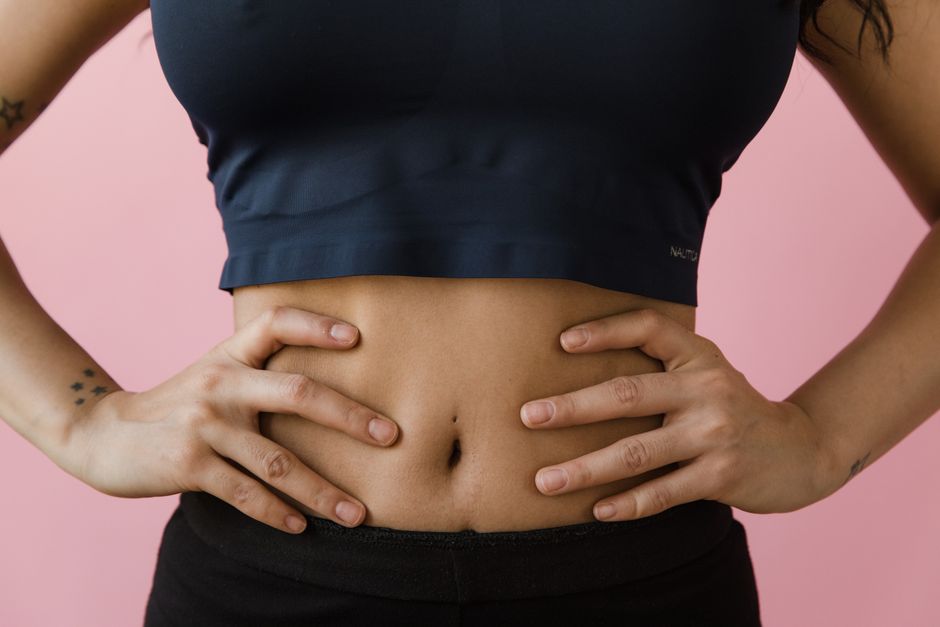
Spot reduction is one of the most persistent ideas in fitness. The belief that working a specific muscle burns the fat sitting on top of it feels logical. It is also not how the human body works. Cycling is excellent cardiovascular exercise and it does help reduce total body fat. But it cannot choose where that fat comes from, and no exercise can.
Does Cycling Burn Fat on Stomach? What Experts Say
Cycling burns fat. It just does not burn fat from your stomach specifically.
When you ride, your muscles need energy. Your body draws on fat stored throughout your entire body, not from the area you happen to be working. Research on spot reduction has consistently failed to support the idea that exercising one body part strips fat from that same area. Studies where people trained one limb heavily found fat loss was similar on both the trained and untrained sides.
Abdominal fat does respond to exercise. It responds to overall energy balance and total activity, not to crunches, and not to the position of your legs on a bike.
Why Can’t Exercise Target Belly Fat Specifically?
Fat cells do not work like local fuel tanks. They function as a body-wide energy reserve, and hormones regulate how and when that reserve gets tapped.
During exercise, your body releases hormones such as adrenaline and noradrenaline. These signal fat cells to break down stored triglycerides and release fatty acids into the bloodstream. That process is systemic. It does not check which muscle is working and drain the fat nearest to it.
Blood flow increases to working muscles during exercise. That delivers oxygen and fuel, but the fatty acids arriving there can come from fat stored anywhere — your thighs, your back, your arms, or your abdomen. The body mobilizes what it can access, in an order largely determined by genetics, hormones, and overall fat distribution. Not by which muscle is contracting.
This is why two people doing identical cycling programs can end up with different results in different places. Where you lose fat first is not something you control through exercise selection.
What Type of Fat Are You Actually Trying to Lose?
Not all belly fat is the same, and the difference matters for health.
Subcutaneous fat sits just under the skin. You can pinch it. It is the softer fat around the waist and hips.
Visceral fat sits deeper, wrapped around organs inside the abdominal cavity. You cannot pinch it. It is linked to higher risk of heart disease, type 2 diabetes, and other metabolic conditions.
Visceral fat responds particularly well to regular aerobic exercise. This is one area where the evidence is fairly consistent. Aerobic activity like cycling, when done regularly, tends to reduce visceral fat even when body weight changes little. That is a meaningful point. You can improve your metabolic health without the scale moving much.
Subcutaneous belly fat is more stubborn. It tends to come off gradually and only with sustained overall fat loss.





How Does Cycling Contribute to Fat Loss Overall?
Fat loss happens when you consistently burn more energy than you take in. Cycling helps create that gap.
A 155-pound person cycling at a moderate pace burns roughly 250 to 300 calories in 30 minutes. Push the pace harder and that number climbs. Ride for an hour and you can burn considerably more.
But calories burned during the ride are only part of the picture. Regular cycling improves cardiovascular fitness, builds leg muscle, and can support better blood sugar control. Muscle tissue burns more energy at rest than fat tissue, so building some muscle through cycling and other activity can gradually shift your daily energy use upward.
Here is the honest part. Exercise alone is a weak tool for weight loss if eating habits are not addressed. The energy you can realistically burn in a session is modest compared to what you can consume in a few minutes. This is not a reason to skip cycling. It is a reason to pair it with attention to what you eat.
Does Cycling Beat Other Exercise for Belly Fat?
No single exercise is the best fat burner. What matters most is total energy expenditure and consistency.
Cycling has real advantages. It is low impact, so it is easier on knees and hips than running. It is easy to sustain for long periods. It fits into daily life as transportation. Those factors make it easier to do regularly, and regularity is what drives results.
That said, the type of exercise matters less than whether you keep doing it. A person who cycles four times a week for years will generally see better results than someone who does the “optimal” workout for three weeks and quits.
Resistance training adds something cycling does not. Building and maintaining muscle helps preserve lean mass during fat loss. Some research suggests combining aerobic exercise with resistance training supports fat loss and metabolic health better than aerobic exercise alone. Cycling plus some strength work is a reasonable combination.
What Actually Reduces Stomach Fat?
Stomach fat comes off the same way fat anywhere comes off: through a sustained energy deficit over time.
- Eat in a modest calorie deficit. A slow, steady deficit is easier to maintain than an aggressive one.
- Get regular aerobic exercise. Cycling, walking, swimming, or anything that raises your heart rate for extended periods.
- Include resistance training. Two or more sessions per week helps preserve muscle.
- Prioritize protein and fiber. Both support satiety, which makes a deficit easier to hold.
- Limit added sugar and refined carbohydrates. Not because they are uniquely fattening, but because they are easy to overconsume.
- Sleep adequately. Short sleep is associated with higher appetite and poorer food choices.
- Manage stress. Chronic stress is linked to higher cortisol, which is associated with increased visceral fat storage.
None of these are shortcuts. There is no food, supplement, or exercise that selectively removes belly fat. Products claiming to do so are not supported by clinical evidence.
How Long Until You See Results?
This varies widely, and anyone promising a specific timeline is guessing.
Some changes happen before the mirror shows anything. Improved fitness, better sleep, and easier breathing during activity can show up within a few weeks. Visible fat loss typically takes longer, and where it shows first is largely genetic.
Visceral fat may respond earlier than subcutaneous fat, which is part of why health markers can improve even when your waistline looks similar. This is a genuinely useful thing to know. Progress is not always visible.
The people who see lasting change are usually the ones who stop watching the scale daily and focus on consistent habits over months, not weeks.
Does Cycling Have to Be Intense to Work?
No. Moderate-intensity cycling done consistently is effective for fat loss and cardiovascular health.
Moderate intensity means you can talk but not sing. That is a reasonable guide. You do not need to be gasping for air to get benefits.
Higher-intensity intervals can burn more calories per minute and improve fitness efficiently. But they are harder to recover from and harder to sustain frequently. For most people, a mix works well: some longer moderate rides, some shorter harder efforts.
The best intensity is the one you will actually repeat next week.
Why Spot Reduction Myths Persist
Spot reduction sells. It promises control over the exact thing people want to change.
The myth survives because it feels true. When you do a lot of abdominal work, those muscles get stronger and may feel firmer. The fat on top has not changed, but the muscle underneath has. That can create a temporary impression of change.
It also survives because fat loss is slow and uneven. If you happen to lose belly fat early in a program while also doing core work, it is easy to credit the wrong thing.
What the research actually shows is consistent: the body draws on fat stores systemically. You cannot direct where it comes from.
Frequently Asked Questions
Does cycling burn belly fat?
Cycling helps reduce total body fat, including belly fat, when combined with a calorie deficit. It cannot target belly fat specifically, because the body draws on fat stores from all over.
How long does it take to lose belly fat by cycling?
There is no fixed timeline, and it varies by person based on genetics, diet, and starting point. Consistent cycling over several months, paired with a modest calorie deficit, is what tends to produce visible change.
Can I lose belly fat by cycling without changing my diet?
It is unlikely to work well on its own. Exercise burns a limited number of calories compared to what most people eat, so diet generally needs to change too.
Is cycling better than running for losing stomach fat?
Neither is clearly better for belly fat specifically. Cycling is lower impact and often easier to sustain, which can make it more effective in practice for some people.
