
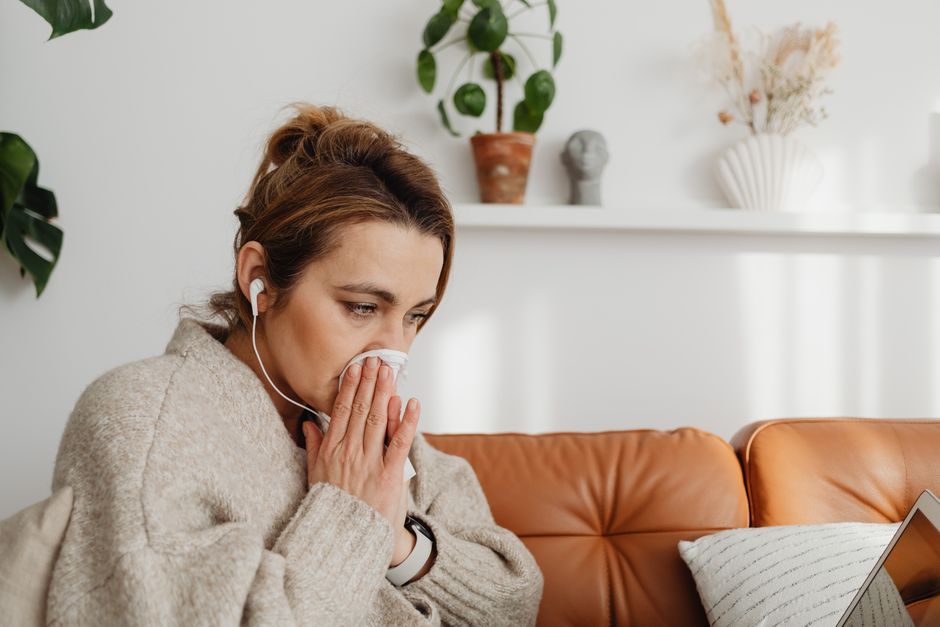
Sneezing is a reflex your body uses to clear irritants from your nose. If you feel a sneeze stuck or simply want to trigger one, several safe methods usually work. The most common techniques involve stimulating the nerve endings inside your nose, such as tickling it with a tissue, looking at a bright light, or gently plucking a nasal hair. These actions are generally harmless, but you should never force a sneeze by holding your nose or mouth shut after the urge begins.
Why Do We Sneeze?
Sneezing is a protective reflex. When something irritates the lining of your nose, your trigeminal nerve sends a signal to your brain. Your brain then triggers a rapid, forceful burst of air out through your nose and mouth.
This blast of air helps clear out dust, pollen, germs, or other particles. It is a coordinated response involving your chest muscles, diaphragm, and throat. The entire process happens in seconds, and the force of the sneeze can be considerable.
How Can You Make Myself Sneeze Safely?
If you want to trigger a sneeze, you can try methods that stimulate the same nerves involved in a natural sneeze. These techniques are generally safe for most healthy adults.
- Tickle your nose. Gently roll the corner of a tissue and tickle the inside of one nostril. This physical stimulation often triggers the reflex.
- Pluck a nasal hair. A quick, gentle pluck of a hair just inside the nostril can send a sharp nerve signal that leads to a sneeze.
- Look at a bright light. About one in three people sneeze when they look at the sun or a bright light. This is called the photic sneeze reflex. Never stare directly at the sun, but a bright indoor lamp or the sky can work.
- Sniff a strong scent. Some people sneeze when exposed to strong smells like black pepper or a sharp perfume. Sniff carefully so you don’t inhale particles deep into your lungs.
- Chew gum or eat strong mints. The strong flavor of peppermint or spearmint can trigger a sneeze in some people. This is less reliable than direct nasal stimulation.
These methods work because they all stimulate the trigeminal nerve. That nerve is responsible for sensation in your face and nose. When it fires, your brain may respond with a sneeze.
Is It Safe to Force a Sneeze?
Triggering a sneeze with a tickle or a light is generally safe. The bigger risk comes from trying to hold a sneeze in or force one out with excessive pressure.
Holding your nose and mouth shut during a sneeze can increase pressure in your airways. This pressure can, in rare cases, cause injuries such as a ruptured eardrum or damage to blood vessels in the eye. Some case reports describe more serious injuries, though these are extremely rare.
You should also avoid inserting anything sharp or hard into your nose. Only use soft items like a tissue. If you have frequent nosebleeds, a history of sinus surgery, or a bleeding disorder, talk to a doctor before repeatedly triggering sneezes.




Why Do Some People Never Sneeze on Command?
Not everyone can trigger a sneeze easily. The reflex is partly under voluntary control, but not completely. Some people have a very sensitive sneeze reflex and respond to almost any stimulus. Others have a higher threshold and rarely sneeze at all.
Genetics may play a role. The photic sneeze reflex, for example, is an inherited trait. If your parents sneeze when looking at bright lights, you are more likely to as well.
Your current health matters too. If your nasal passages are dry or you have no irritants present, the reflex may be harder to trigger. If you have allergies or a cold, your nose is already sensitive, and a sneeze may come more easily.
When a Stuck Sneeze Is a Problem
Sometimes the urge to sneeze builds up but never releases. This can feel uncomfortable, but it is not dangerous. The feeling usually fades on its own within a minute or two.
If you frequently feel like you need to sneeze but cannot, it may be a sign of nasal irritation. Dry air, allergies, or a mild infection can all cause this sensation. Using a saline nasal spray or a humidifier may help.
In rare cases, a persistent urge to sneeze without relief can be a sign of a neurological issue. If this happens often and is accompanied by other symptoms like facial pain or headaches, see a doctor.
Common Myths About Sneezing
Several myths about sneezing are widespread. Some are harmless, but others can lead to unsafe behavior.
Myth: Your heart stops when you sneeze. This is false. Your heart rhythm can change briefly during a sneeze, but it does not stop.
Myth: Holding in a sneeze is safe. Holding in a sneeze is not recommended. The pressure buildup can cause injury, even if serious complications are rare.
Myth: Sneezing with your eyes open is impossible. It is possible to sneeze with your eyes open, though many people close them reflexively. There is no evidence that keeping your eyes open during a sneeze causes them to pop out.
Myth: Sneezing is a sign of illness. Sneezing is often associated with colds and allergies, but it can also be a normal response to dust, bright light, or a change in temperature.
When to See a Doctor About Sneezing
Sneezing itself is rarely a reason to see a doctor. However, if sneezing is frequent and interferes with your daily life, it may be worth investigating.
See a doctor if you have sneezing along with other symptoms like fever, thick nasal discharge, facial pain, or shortness of breath. These could indicate an infection or an allergy that needs treatment.
If you sneeze many times in a row and it happens daily, you may have allergic rhinitis. This is a common condition where your immune system overreacts to harmless substances like pollen or dust mites. Over-the-counter antihistamines can help, but a doctor can confirm the diagnosis and recommend the right treatment.
Frequently Asked Questions
What is the fastest way to make yourself sneeze?
Tickling the inside of your nostril with a tissue is the fastest and most reliable method for most people. This directly stimulates the nerve endings that trigger the sneeze reflex.
Is it dangerous to hold in a sneeze?
Holding in a sneeze by pinching your nose and closing your mouth is not recommended. It can increase pressure in your airways and, in rare cases, cause injuries like a ruptured eardrum.
Why does looking at a bright light make some people sneeze?
This is called the photic sneeze reflex, and it is an inherited trait. The bright light stimulates the optic nerve, which is close to the trigeminal nerve, and the signal can cross over and trigger a sneeze.
Can sneezing be a sign of a serious condition?
Sneezing alone is rarely serious. However, if it comes with fever, facial pain, or thick nasal discharge, it could indicate an infection or allergy that needs medical evaluation.
