
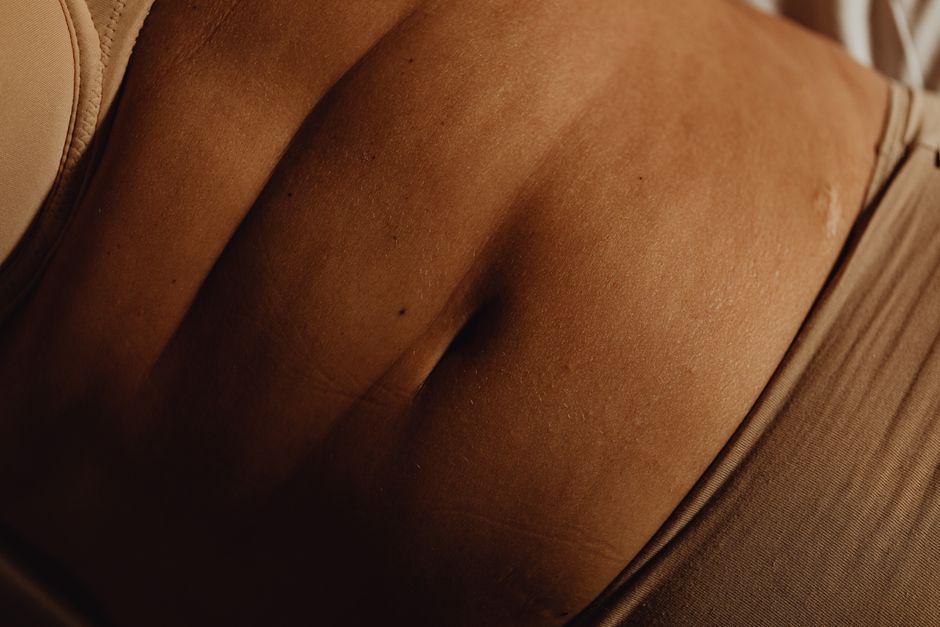
Stubborn belly fat is stubborn for a reason: it isn’t one thing. The fat packed around your internal organs behaves differently from the fat you can pinch, and both respond to different levers. The short answer is that you cannot target belly fat with crunches or spot exercises. What works is a sustained calorie deficit, regular physical activity that includes both aerobic exercise and strength training, adequate sleep, and managing stress. Genetics and hormones set how and where your body stores fat, and those factors you cannot control. What you can control is the total amount of fat your body carries and where the balance shifts over time.
Why Does Belly Fat Feel So Hard to Lose?
Belly fat is not a single tissue. Subcutaneous fat sits just under the skin and you can grab it. Visceral fat wraps around the liver, intestines, and other organs deep inside the abdomen. Visceral fat is the one linked most strongly to health problems, and it also tends to be the most metabolically active.
That activity cuts both ways. Visceral fat responds to calorie deficits and exercise, but it also responds to stress hormones. When cortisol is chronically elevated, the body tends to deposit fat in the abdominal region. This is why some people who sleep poorly or live with constant stress notice belly fat accumulating even when their overall weight is stable.
Genetics matter more than most people want to hear. Where your body stores fat is largely inherited. Some people carry fat predominantly in the hips and thighs; others carry it in the abdomen. You can change how much fat you carry. You cannot change the pattern your body prefers.
Age adds another layer. After menopause, estrogen levels fall, and fat distribution often shifts toward the abdomen. In men, testosterone gradually declines with age, and fat storage patterns shift as well. These are normal physiological changes, not signs of failure.
Can You Target Belly Fat With Specific Exercises?
No. Spot reduction does not work. This is one of the most consistently replicated findings in exercise science. Doing sit-ups or crunches strengthens abdominal muscles, but it does not preferentially burn fat from the abdomen.
The body mobilizes fat from stores across the whole body when it needs energy. It does not take fat from the muscle group you happen to be working. A person doing hundreds of crunches daily will build stronger abdominal muscles underneath whatever fat layer exists, but the fat layer itself will not shrink from that exercise alone.
This does not mean abdominal exercise is pointless. Core strength supports posture and back health. But if the goal is reducing belly fat, the exercise has to be part of a broader plan that creates a calorie deficit.
What Actually Reduces Belly Fat?
A calorie deficit is the foundation. Fat loss requires burning more energy than you take in. Without that, no combination of foods, supplements, or exercise routines will reduce fat stores. The size of the deficit matters less than whether you can sustain it.
Aerobic exercise has the strongest evidence for reducing visceral fat specifically. Research published in the Journal of Applied Physiology and similar peer-reviewed sources has found that regular moderate-to-vigorous aerobic activity reduces visceral fat even when body weight changes modestly. This is an important point: visceral fat can decrease before the number on the scale moves much.
Strength training supports the process by preserving lean muscle mass during weight loss. When you lose weight, some of it comes from muscle unless you give the body a reason to keep it. Resistance training provides that reason.
Diet quality matters alongside quantity. Diets high in refined carbohydrates and added sugars tend to promote fat storage, particularly when they push insulin levels up repeatedly. Diets rich in protein, fiber, vegetables, and whole foods tend to support satiety and make a calorie deficit easier to maintain. No single food burns belly fat. But the overall pattern of eating shapes how difficult the deficit is to sustain.
Sleep is not a soft recommendation. Short sleep duration and poor sleep quality are associated with higher visceral fat accumulation in observational studies. The relationship is complex, but the pattern is consistent enough that sleep deserves attention as part of any plan.





Does Stress Cause Belly Fat?
Chronic stress is associated with increased abdominal fat storage, and cortisol is the main reason. Cortisol is a hormone released by the adrenal glands in response to stress. It serves important functions, including helping regulate blood sugar and blood pressure. But when levels stay elevated over time, the body tends to store fat in the abdominal region and break down muscle.
The relationship is not simple. Not everyone with high stress develops belly fat, and not everyone with belly fat has high stress. But the association is well documented, and stress management — through sleep, physical activity, social connection, and relaxation practices — is a reasonable part of a broader approach.
One clarification worth making: cortisol is not “bad.” It is essential. Problems arise from chronic elevation, not from normal fluctuations. Products marketed as “cortisol blockers” for belly fat have no strong clinical evidence behind them.
What About Diet, Supplements, and “Fat-Burning” Products?
The supplement market for belly fat is crowded and largely unsupported. No dietary supplement has been shown in large, well-controlled human trials to specifically reduce visceral fat. Some small studies on individual compounds exist, but the results are inconsistent and the effect sizes are modest at best.
Common marketing claims to treat with skepticism:
- “Burns belly fat while you sleep” — no supplement has demonstrated this in controlled trials
- “Blocks cortisol” — cortisol is essential; blocking it is not a proven weight-loss strategy
- “Targets stubborn belly fat” — no ingested product can target a specific fat depot
- “Detoxes” — the liver and kidneys already handle detoxification; no product improves this
Some products sold for weight loss have been associated with serious adverse effects, including liver injury and cardiovascular problems. The FDA has issued warnings about certain ingredients in weight-loss supplements over the years. Anyone considering a supplement should discuss it with a clinician first, especially if they take prescription medications or have any chronic condition.
What does have evidence behind it is the unglamorous basics: a sustained calorie deficit, regular aerobic exercise, strength training, adequate sleep, and a diet built around whole foods. None of these are fast. All of them are supported by decades of research.
How Long Does It Take to See Results?
Visceral fat tends to respond faster to exercise than subcutaneous fat, which is one reason some people notice improved markers — like blood pressure or blood sugar — before their waist measurement changes much. But visible changes in belly fat typically take weeks to months of consistent effort.
Rate of fat loss varies widely between individuals. Factors include starting body composition, genetics, age, hormonal status, medication use, and how consistently the plan is followed. Some people see noticeable change in a few weeks; others take several months. There is no universal timeline, and anyone promising a specific result in a specific number of days is not describing evidence-based fat loss.
What is well established is that the direction of change matters more than the speed. A modest, sustainable deficit that you can maintain for months will produce more fat loss than an aggressive plan you abandon after two weeks.
When Should You Talk to a Doctor About Belly Fat?
Belly fat is not just a cosmetic concern. Visceral fat is metabolically active and is associated with increased risk of type 2 diabetes, cardiovascular disease, and certain other conditions. Waist circumference is a useful clinical measure. For adults, a waist circumference above 40 inches in men and above 35 inches in women is generally considered elevated risk, though these thresholds vary by population and should be interpreted alongside other factors.
Talk to a clinician if you have noticed rapid weight gain around the abdomen, especially without changes to diet or activity. This can sometimes reflect fluid accumulation, hormonal conditions, or medication effects. It is also worth discussing if you have tried to lose weight through diet and exercise without success, or if you have other risk factors for metabolic disease.
Belly fat is stubborn because it is shaped by biology you cannot fully control. But the levers that do work — energy balance, movement, sleep, stress, and diet quality — are real, well studied, and within reach. The honest position is that progress is often slow and rarely linear. It is still progress.
Frequently Asked Questions
Can you lose belly fat without exercise?
You can lose fat through diet alone, but exercise — particularly aerobic exercise — has stronger evidence for reducing visceral fat specifically. Combining both tends to produce better results than either alone.
Do waist trainers or body wraps reduce belly fat?
No. Waist trainers and body wraps may temporarily compress tissue or cause water loss, but they do not reduce fat. No clinical evidence supports them as a fat-loss method.
Is walking enough to reduce belly fat?
Walking can contribute to a calorie deficit and is a legitimate form of physical activity. Whether it is enough depends on duration, pace, total daily activity, and diet. Brisk walking that raises heart rate has more support for visceral fat reduction than slow strolling.
Why is belly fat harder to lose than fat elsewhere?
Abdominal fat, especially visceral fat, is influenced by genetics, hormones like cortisol, age, and sex. These factors make the abdominal region a preferred storage site for many people, which means it often responds more slowly than other areas to the same calorie deficit.
