
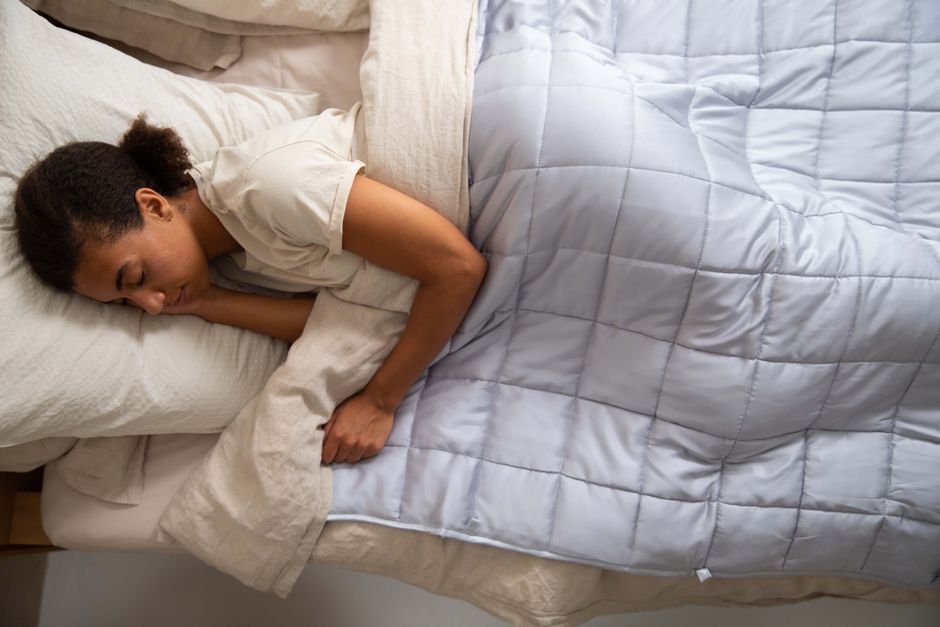
Deep sleep is the stage of sleep where your body repairs itself and your brain processes the day’s memories. Getting enough of it is essential for feeling rested and thinking clearly. To improve deep sleep, focus on consistency, a cool dark room, and avoiding alcohol late at night. These simple habits help your brain cycle into deeper sleep more naturally.
What Is Deep Sleep and Why Does It Matter?
Deep sleep, also called slow-wave sleep or stage N3, is the most restorative part of your sleep cycle. During this stage your heart rate and breathing slow to their lowest levels. Your brain waves become slow and large, and your body releases growth hormone for tissue repair.
Research consistently shows that deep sleep strengthens your immune system and helps consolidate memories. Without enough deep sleep you may feel foggy, irritable, and more prone to illness. Most adults need about one to two hours of deep sleep per night, though this varies by age and individual.
How To Improve Deep Sleep Naturally
The most effective way to improve deep sleep is to keep a consistent sleep schedule. Going to bed and waking up at the same time every day trains your body’s internal clock. This clock, or circadian rhythm, tells your brain when to release melatonin and when to begin the deep sleep phase.
Keep your bedroom cool, ideally between 60 and 67 degrees Fahrenheit. A drop in core body temperature signals your brain to enter deep sleep. Also, make your room completely dark. Even a small amount of light can disrupt the transition into deeper stages.
Limit alcohol consumption, especially in the hours before bed. Alcohol may help you fall asleep faster, but it reduces the amount of time you spend in deep sleep. The same is true for caffeine and nicotine. Avoid caffeine after early afternoon and avoid nicotine entirely near bedtime.
Does Exercise Improve Deep Sleep?
Yes, regular exercise increases the amount of deep sleep you get. Studies have found that moderate aerobic exercise, such as brisk walking or cycling, boosts slow-wave sleep. The effect is strongest when you exercise in the morning or early afternoon.
Intense exercise within two hours of bedtime can raise your core temperature and heart rate, making it harder to fall into deep sleep. If you exercise late, choose gentle activities like stretching or yoga. Consistent daily movement is more important than a single workout.





How Diet Affects Deep Sleep
What you eat can influence how much deep sleep you get. A diet rich in fiber, protein, and healthy fats is linked to more slow-wave sleep. High sugar and refined carbohydrate intake is associated with lighter, more disrupted sleep.
Certain nutrients deserve mention. Magnesium plays a role in activating the nervous system pathways that promote sleep. Some studies suggest that taking magnesium supplements may help older adults with insomnia fall asleep more easily, but evidence is not strong enough to recommend it for everyone. Tryptophan, found in turkey, eggs, and dairy, is a precursor to serotonin and melatonin. Eating a balanced dinner that includes these foods may support deep sleep, but no single food guarantees better rest.
Stress and Your Sleep Cycle
High stress levels keep your nervous system on alert, which directly blocks deep sleep. Cortisol, the stress hormone, works against the relaxation needed for slow-wave sleep. Techniques that lower stress before bed can help.
Progressive muscle relaxation, deep breathing, and mindfulness meditation have all been shown to increase deep sleep in some people. Even five minutes of slow, deep breathing before turning out the light can shift your body toward a rest state. Journaling about worries earlier in the evening may also help quiet a racing mind at bedtime.
Is Technology Hurting Your Deep Sleep?
Blue light from phones, tablets, and computers suppresses melatonin production. Lower melatonin levels can delay the onset of deep sleep. Using devices for an hour or more before bed is linked to less slow-wave sleep overall.
Put screens away at least 30 minutes before sleep. If you must use them, enable night mode or wear blue-light blocking glasses. The evidence for blue-light glasses is mixed—some studies show a benefit, others do not. What is clear is that reducing night-time screen use improves sleep quality for most people.
Can Supplements Help?
Some people turn to melatonin supplements to fall asleep faster. Melatonin is effective for jet lag and some circadian rhythm disorders, but it does not necessarily increase deep sleep. It mainly helps you fall asleep sooner, which may indirectly lead to more deep sleep if you are otherwise sleep-deprived.
Magnesium supplements are sometimes taken to improve sleep quality. The evidence is limited to older adults with low magnesium levels. For the general population, no large human trials have confirmed that magnesium supplements increase deep sleep. The same is true for valerian root, chamomile, and other herbal sleep aids. The evidence is mixed and often based on small studies. Always talk to a doctor before starting any supplement.
How To Track Deep Sleep
Wearable devices like smartwatches and fitness trackers estimate deep sleep using movement and heart rate data. They can give you a general sense of your sleep patterns, but they are not precise medical instruments. Studies show these devices often overestimate deep sleep compared to EEG measurements.
If you want to track deep sleep accurately, you would need a sleep study in a clinic. For most people, tracking the number of times you wake during the night and how refreshed you feel in the morning is more useful than relying on a tracker’s numbers. If you consistently wake tired despite good sleep habits, talk to your doctor rather than adjusting your supplement stack.
Common Myths About Deep Sleep
One common myth is that you cannot get deep sleep if you wake up during the night. In fact, brief awakenings are normal and do not necessarily reduce overall deep sleep. Another myth is that napping during the day steals deep sleep at night. Short naps (under 30 minutes) taken in the early afternoon usually do not interfere with nighttime deep sleep. Long naps or naps late in the day may reduce your sleep drive and make it harder to enter deep sleep at bedtime.
Frequently Asked Questions
Does magnesium really improve deep sleep?
The evidence is limited. Some studies suggest magnesium may help older adults with low magnesium levels fall asleep faster, but no large trial has confirmed it increases deep sleep in healthy people.
How long does it take to improve deep sleep?
You may see improvements within a few days after adopting consistent habits, such as a fixed bedtime and a cool dark room. Chronic poor sleep may take several weeks to correct.
Can naps affect deep sleep the next night?
Short naps (under 30 minutes) in early afternoon usually do not affect nighttime deep sleep. Longer or later naps can reduce your sleep drive and make it harder to enter deep sleep at bedtime.
Does alcohol help you sleep deeper?
No. Alcohol may help you fall asleep faster, but it suppresses deep sleep and leads to more awakenings later in the night.
