
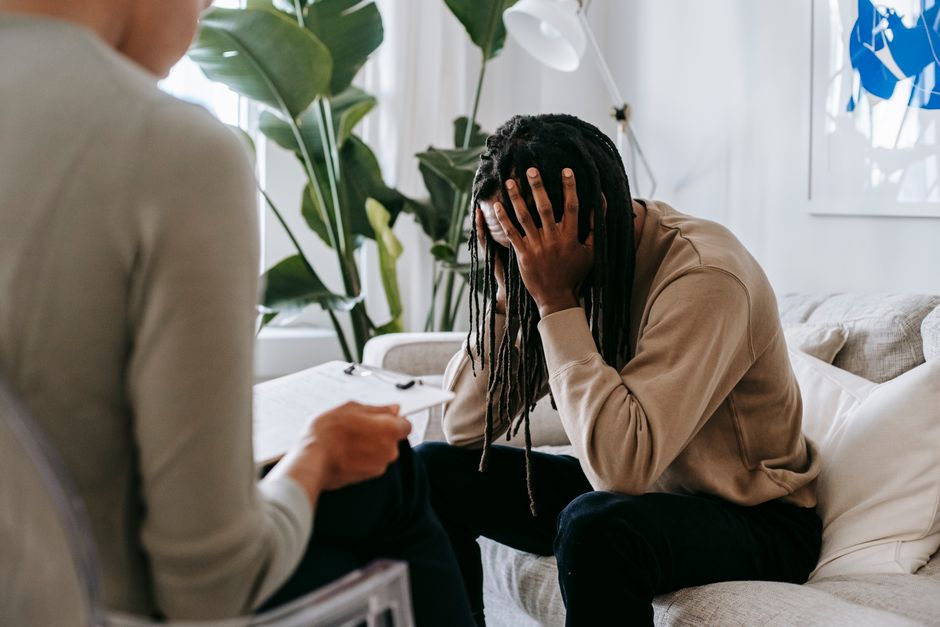
Anxiety is your body’s alarm system doing its job — sometimes too well. Relieving it naturally usually means calming that alarm through breathing, movement, sleep, and steady thinking, not turning it off. For everyday worry, these approaches can genuinely help. For anxiety that disrupts your life, they work best alongside professional care, not instead of it.
What Actually Happens in Your Body During Anxiety
Anxiety is not just a feeling. It is a full-body response wired into your nervous system for survival.
When your brain senses a threat — real or imagined — it triggers the release of stress hormones like adrenaline and cortisol. Your heart beats faster. Your breathing gets shallow. Muscles tense. Blood flows toward your limbs so you can react quickly.
This is the fight-or-flight response. It is useful when you are in actual danger. It becomes a problem when it fires during a work meeting, a phone call, or a quiet night at home.
The system has two main parts. The sympathetic nervous system revs you up. The parasympathetic nervous system calms you down. Most natural anxiety relief works by activating the calming side — a process sometimes called the relaxation response.
Understanding this matters because it explains why so many natural approaches share similar goals. They are all trying to tell your nervous system the threat has passed.
How Can Breathing Help Me Relieve Anxiety Naturally?
Slow, deliberate breathing is one of the fastest ways to signal safety to your body. It works because your heart rate and breathing are directly linked.
When you breathe in, your heart rate speeds up slightly. When you breathe out, it slows down. This connection is called respiratory sinus arrhythmia. By making your exhale longer than your inhale, you nudge your nervous system toward calm.
A simple approach many clinicians teach:
- Breathe in through your nose for a count of four.
- Hold gently for a moment.
- Breathe out slowly through your mouth for a count of six to eight.
- Repeat for a few minutes.
The exact counts matter less than the pattern. A longer, slower exhale is the key. You can do this anywhere — at your desk, in traffic, before a difficult conversation.
This is not a cure for an anxiety disorder. But as a tool to interrupt a spike in the moment, controlled breathing has solid physiological grounding.
Does Exercise Really Reduce Anxiety?
Regular physical activity is one of the most reliable natural approaches for managing anxiety. This is one area where the evidence is fairly consistent.
Aerobic exercise — walking, running, swimming, cycling — appears to reduce anxiety symptoms in many people. Researchers do not fully agree on the exact mechanism. Several factors likely work together.
Exercise lowers levels of stress hormones. It releases endorphins, which are natural mood lifters. It also improves sleep, and poor sleep makes anxiety worse. These effects compound over time.
You do not need intense workouts. Brisk walking most days of the week can be enough to notice a difference. The benefit seems to come from consistency more than intensity.
One honest caveat: exercise tends to help most with everyday anxiety and mild symptoms. For a diagnosed anxiety disorder, it is a helpful addition to treatment, not a replacement.




Can Sleep and Diet Affect My Anxiety?
Sleep and anxiety have a two-way relationship. Anxiety makes it hard to sleep. Poor sleep makes anxiety worse the next day. Breaking that loop is one of the most practical things you can do.
Adults generally need seven or more hours of sleep per night, according to widely accepted sleep guidelines. Keeping a consistent sleep and wake time — even on weekends — helps regulate your body clock.
Diet plays a supporting role. Some points worth knowing:
- Caffeine can trigger or worsen anxiety symptoms in sensitive people. It is a stimulant that mimics some physical signs of anxiety.
- Alcohol may feel calming at first, but it can disrupt sleep and increase anxiety later.
- Blood sugar swings from skipping meals can cause jitteriness that feels like anxiety.
- Regular meals with protein, fiber, and healthy fats help keep energy and mood steadier.
The evidence on specific diets reducing anxiety is limited. No single food has been shown to treat anxiety. But stable blood sugar, limited caffeine, and good sleep habits create a foundation that makes other strategies work better.
What About Mindfulness and Meditation?
Mindfulness — paying attention to the present moment without judgment — is a well-studied approach for anxiety. It does not make anxious thoughts disappear. It changes your relationship with them.
Instead of fighting a worried thought, you notice it. You let it pass. Over time, this reduces the power those thoughts have over you.
Research suggests mindfulness-based programs can help reduce anxiety symptoms. The evidence is strongest for structured programs taught by trained instructors, though self-guided practice may also help.
Meditation is not for everyone, and it does not work instantly. Some people find that focusing inward initially increases their anxiety. If that happens, guided practices or gentle movement-based approaches like yoga may be a better fit.
Here is a less obvious point: the goal is not to empty your mind. That is a common misconception. The goal is to notice when your mind has wandered and gently bring it back. That act of returning is the practice.
When Should I Seek Professional Help for Anxiety?
Natural strategies have real limits. Knowing when to seek help is not a sign of weakness — it is good judgment.
Consider talking to a doctor or mental health professional if:
- Anxiety interferes with work, school, or relationships.
- You avoid situations because of fear or worry.
- You have trouble sleeping most nights for weeks.
- You feel anxious most days for six months or longer.
- You have panic attacks — sudden intense fear with physical symptoms.
- You use alcohol or other substances to cope.
These signs may point to an anxiety disorder, which is a recognized medical condition. Anxiety disorders are common and treatable. Effective options include talk therapy such as cognitive behavioral therapy, and in some cases medication.
Natural approaches can support professional treatment. They are not a substitute for it when symptoms are significant. A clinician can help you build a plan that fits your situation.
If you ever have thoughts of harming yourself, reach out for help right away. In the US, you can call or text 988 to reach the Suicide and Crisis Lifeline.
Which Natural Approaches Have the Most Evidence?
Not all natural remedies are equal. Some have solid research behind them. Others are mostly marketing.
Here is a general comparison based on the strength of available evidence:
| Approach | Evidence Level | Notes |
|---|---|---|
| Regular aerobic exercise | Reasonably consistent | Helps mild to moderate symptoms |
| Slow breathing techniques | Physiologically grounded | Best for calming acute spikes |
| Mindfulness and meditation | Some supporting evidence | Works best as structured practice |
| Sleep and caffeine changes | Supportive | Removes triggers, builds foundation |
| Herbal supplements | Limited or mixed | Quality and dosing vary widely |
Herbal products deserve a careful note. Some, like certain extracts, are marketed heavily for anxiety. The evidence is often limited, and products are not tightly regulated in the US. Some herbs can interact with medications. Talk to a doctor or pharmacist before starting any supplement, especially if you take other drugs.
The strongest natural foundation is not a pill or a single trick. It is a combination of movement, sleep, breathing, and steady thinking — practiced consistently over time.
Frequently Asked Questions
Can I relieve anxiety naturally without medication?
For mild or everyday anxiety, natural approaches like exercise, breathing, sleep, and mindfulness can help meaningfully. If anxiety is severe or disrupts daily life, professional treatment may be needed alongside these habits.
How long does it take for natural anxiety relief to work?
Breathing techniques can calm you within minutes, while exercise and mindfulness tend to show benefits over weeks of regular practice. There is no fixed timeline, and results vary from person to person.
Is meditation good for anxiety?
Research suggests mindfulness and meditation can reduce anxiety symptoms for many people, especially when taught in structured programs. Some people find inward focus uncomfortable at first, so guided or movement-based options may help.
What foods help reduce anxiety?
No single food treats anxiety, but steady meals with protein, fiber, and healthy fats can help stabilize energy and mood. Limiting caffeine and alcohol may reduce symptoms for some people.
