
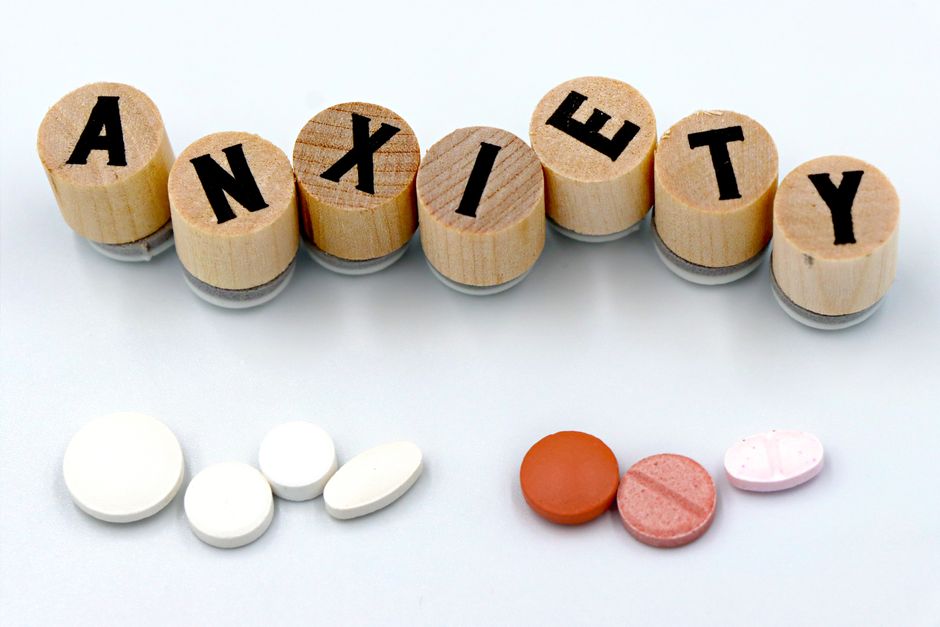
Anxiety is one of the most common mental health challenges, and many people want to manage it without prescription medication. The most effective natural approaches are not quick fixes but consistent practices: regular aerobic exercise, cognitive behavioral therapy techniques, better sleep, and limiting caffeine and alcohol. These methods have the strongest research support for reducing anxiety symptoms over time.
What Does the Science Say About Natural Anxiety Relief?
Research consistently shows that several lifestyle interventions can meaningfully reduce anxiety symptoms. Exercise is one of the best studied. Physical activity lowers stress hormones like cortisol and increases endorphins, which are natural mood elevators.
Studies have found that regular aerobic exercise — walking, running, swimming, cycling — can reduce anxiety sensitivity and improve mood. Some research suggests exercise can be as effective as medication for mild to moderate anxiety, though results vary from person to person.
Cognitive behavioral therapy, or CBT, is another evidence-backed approach. CBT teaches you to identify and change thought patterns that fuel anxiety. Many people learn CBT skills through self-help books or apps without seeing a therapist. This is not “just positive thinking.” It is a structured method with decades of clinical research behind it.
How to Help Anxiety Naturally: Start With Your Body
Your body and mind are connected. Anxiety often shows up physically before you notice it mentally. Rapid heartbeat, shallow breathing, tight muscles, and stomach discomfort are common signs.
Breathing exercises work because they directly affect your nervous system. Slow, deep breathing activates the parasympathetic nervous system, which calms your body’s stress response. A simple method is to breathe in through your nose for four counts, hold for four, and exhale slowly for six. Practice this for two to three minutes when you feel anxious.
Progressive muscle relaxation is another technique with research support. You tense and then relax each muscle group, starting at your feet and moving upward. This helps break the cycle of physical tension that accompanies anxiety.
Regular movement matters more than intensity. A 30-minute daily walk can be enough for many people. The key is consistency, not pushing yourself to exhaustion.
What Foods and Supplements Actually Help Anxiety?
Diet plays a role in anxiety, but the evidence is not as strong as the evidence for exercise or therapy. No food cures anxiety. Some foods may help stabilize mood and energy.
- Complex carbohydrates like oats, brown rice, and sweet potatoes help maintain steady blood sugar. Blood sugar swings can mimic or worsen anxiety symptoms.
- Omega-3 fatty acids found in fatty fish like salmon and sardines have been studied for mood support. Some studies suggest they may help, but results are mixed.
- Fermented foods like yogurt, kefir, and sauerkraut contain probiotics. Research on the gut-brain connection is emerging, but it is too early to make firm recommendations.
For supplements, the evidence is limited. Magnesium is sometimes recommended for anxiety, but large clinical trials have not confirmed consistent benefits. Valerian root and kava have been studied, but kava carries a risk of liver damage, and valerian’s effects on anxiety are inconsistent.
No clinical guidelines currently exist for using supplements to treat anxiety. If you choose to try one, talk to your doctor first. Supplements can interact with medications, and the FDA does not regulate them as strictly as prescription drugs.


Sleep: The Most Underrated Anxiety Treatment
Poor sleep and anxiety feed each other. Anxiety makes it harder to fall asleep, and lack of sleep makes anxiety worse the next day. This cycle is well documented in research.
Adults generally need seven to nine hours of sleep per night. If you struggle with sleep, focus on consistency. Go to bed and wake up at the same time every day, even on weekends. Keep your bedroom cool, dark, and quiet. Avoid screens for at least 30 minutes before bed, since blue light can suppress melatonin production.
Caffeine is a common culprit. Caffeine blocks adenosine, a chemical that promotes sleep, and it increases adrenaline. For people with anxiety, even moderate caffeine can trigger symptoms. Some research suggests people with anxiety disorders are more sensitive to caffeine’s effects. Try cutting back gradually and see if your anxiety symptoms improve.
Alcohol is trickier. It may feel relaxing at first, but as it wears off, it can cause rebound anxiety. Alcohol disrupts sleep architecture, meaning you get less restorative deep sleep even if you sleep the same number of hours.
What About Mindfulness and Meditation?
Mindfulness-based stress reduction, or MBSR, has been studied extensively for anxiety. It teaches you to observe your thoughts without judging them or getting caught up in them. This reduces the “second wave” of anxiety — the worry about being anxious.
Research consistently shows that mindfulness meditation can reduce anxiety symptoms. The effect is modest but real. It is not a cure, and it does not work for everyone. But for many people, a daily 10-minute practice helps.
Apps like Headspace and Calm offer guided meditations. Some research suggests guided apps can be helpful for beginners. The evidence is stronger for in-person mindfulness programs, but apps are a reasonable starting point.
When Natural Methods Are Not Enough
Natural approaches work for many people, but not everyone. If your anxiety is severe, persistent, or interfering with daily life, professional help matters. Therapy and medication are not failures. They are effective treatments.
Warning signs that you should seek professional support include:
- Anxiety that lasts most days for more than six months
- Panic attacks that come without warning
- Avoiding work, school, or social situations because of anxiety
- Difficulty sleeping most nights
- Thoughts of self-harm or suicide
If you have thoughts of harming yourself, call or text 988 to reach the Suicide and Crisis Lifeline. This is a free, confidential service available 24/7.
Some people benefit from combining natural methods with professional treatment. Exercise and therapy work well together. A doctor can help you decide what combination is right for you.
How Long Before Natural Methods Work?
This depends on the method and the person. Exercise and breathing techniques can provide immediate relief in some cases. A single session of aerobic exercise can reduce state anxiety — the anxiety you feel in the moment.
For lasting change, consistency matters more than intensity. Most research on exercise and anxiety uses programs lasting eight to twelve weeks. Cognitive behavioral therapy skills typically take several weeks of practice before they feel natural.
Sleep improvements can happen within days of better sleep habits, but your body may need several weeks to adjust to a new schedule. Caffeine reduction can produce noticeable changes within a week for some people.
Be patient with yourself. Anxiety does not develop overnight, and it rarely resolves overnight. Track your symptoms over several weeks to see what helps. A simple journal can help you notice patterns you might otherwise miss.
Frequently Asked Questions
What is the fastest natural way to reduce anxiety?
Slow, deep breathing is the fastest natural method. Breathing out for longer than you breathe in activates the parasympathetic nervous system and can calm your body within minutes.
Can exercise really help with anxiety?
Yes. Research consistently shows that regular aerobic exercise reduces anxiety symptoms. The effect is comparable to some medications for mild to moderate anxiety, though individual results vary.
Are herbal supplements safe for anxiety?
Some supplements like kava and valerian root have been studied, but evidence is limited and safety concerns exist. Kava carries a risk of liver damage. Talk to your doctor before taking any supplement for anxiety.
How much caffeine should I avoid if I have anxiety?
There is no universal threshold, but people with anxiety are often more sensitive to caffeine. Some research suggests even moderate amounts can trigger symptoms. Try reducing your intake gradually and observe how you feel.
