
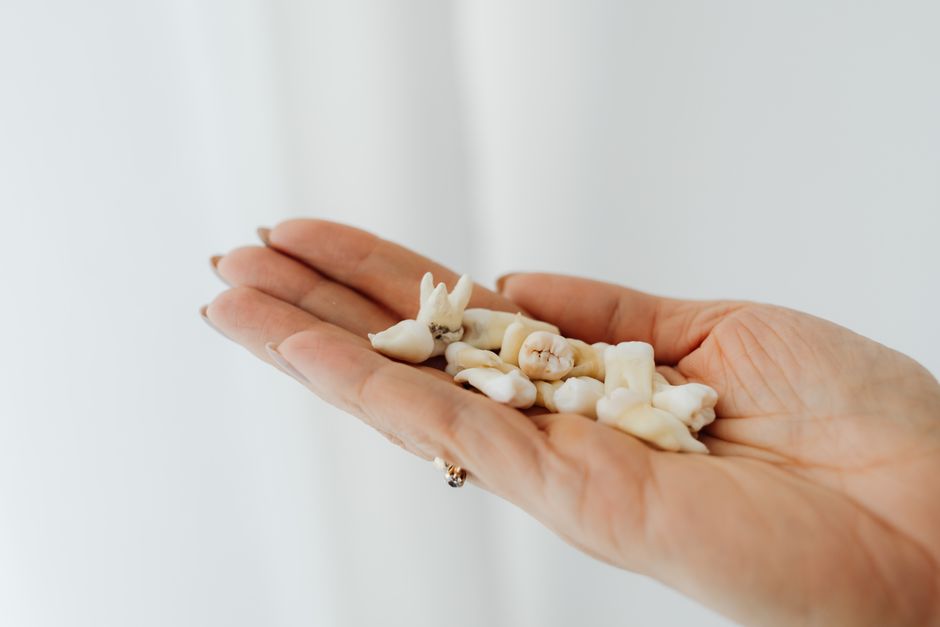
A tooth extraction starts healing the moment it ends, but the first 24 hours matter most. The single most effective thing you can do is protect the blood clot that forms in the socket. Leave it alone, avoid suction and smoking, and follow your dentist’s aftercare instructions closely. Most simple extractions heal well within one to two weeks, though the socket itself takes longer to fill in completely.
How Can I Make My Tooth Extraction Heal Faster?
There is no way to speed up biology. But you can avoid the things that slow it down. Healing after an extraction depends almost entirely on one structure: the blood clot.
When a tooth is removed, blood fills the socket and forms a clot. That clot acts as a natural bandage and a scaffold. New tissue grows into it. If the clot stays in place and stays clean, healing proceeds on schedule. If it gets dislodged or dissolves too early, you get a dry socket, which is painful and delays everything.
So the practical answer is less about adding things and more about not disrupting what your body is already doing. Your dentist’s written instructions exist for this reason. Follow them exactly rather than improvising.
What Should You Do in the First 24 Hours?
The first day sets the tone for everything that follows. Your job is to keep the clot undisturbed.
- Bite on the gauze your dentist places for the time they specify, usually long enough to control bleeding. Replace it if it becomes soaked.
- Do not rinse, spit, or use a straw. Suction can pull the clot out of the socket.
- Do not smoke or vape. The suction and the chemicals both work against clot formation.
- Skip hot drinks and hot food for the first day. Heat can increase bleeding.
- Rest and keep your head elevated when lying down.
- Avoid strenuous exercise for at least the first day. Increased blood pressure can restart bleeding.
Some swelling and discomfort is expected. Many dentists recommend an ice pack applied to the outside of the face in short intervals during the first day to limit swelling. This is standard practice, though the evidence for icing specifically after dental extraction is not as strong as its widespread use might suggest.
What Can Slow Down Healing?
Several factors reliably interfere with recovery. Knowing them helps you avoid them.
Smoking is the biggest one. It reduces blood flow to the gums, introduces suction, and exposes the socket to irritants. People who smoke tend to have more complications after extraction, including a higher rate of dry socket. If you can avoid smoking for several days, healing is likely to go better.
Straws, spitting, and vigorous rinsing all create pressure changes in the mouth that can dislodge the clot. This applies for the first few days, not just the first day.
Certain medications can affect bleeding and healing. Blood thinners, for example, may increase bleeding risk. Never stop a prescribed medication on your own. Talk to the prescribing doctor and your dentist together. This is a conversation to have before the extraction when possible.
Poor blood sugar control in people with diabetes is associated with slower wound healing generally. If your diabetes is well managed, healing tends to follow a more typical course.
Other factors include age, overall nutrition, and certain medical conditions that affect immunity or circulation. These are not things you can change overnight, but they are worth discussing with your dentist beforehand.





How Long Does Healing Actually Take?
The timeline varies by person and by how complex the extraction was. A simple extraction of a fully erupted tooth is different from a surgical removal of an impacted wisdom tooth.
In general terms:
- First 24 hours: bleeding stops, clot forms, swelling and soreness begin.
- First few days: discomfort and swelling typically peak and then start to ease. Many people manage with over-the-counter pain relief as directed.
- First one to two weeks: the gum tissue over the socket begins to close. Most people feel largely back to normal.
- Following weeks to months: the bone underneath gradually fills in the socket. This happens out of sight and you will not notice it.
These are general patterns, not guarantees. Healing is not a straight line, and setbacks like a dry socket or infection can extend the timeline.
What Is a Dry Socket and How Do You Know If You Have One?
A dry socket happens when the blood clot is lost or dissolves before the underlying tissue has healed. The bone and nerve endings in the socket are then exposed.
The classic sign is pain that gets worse rather than better, often starting a few days after the extraction. It may radiate toward the ear, and pain medication may not help much. Some people notice a bad taste or odor.
Dry socket is more common after surgical extractions, after wisdom tooth removal, and in people who smoke. It is also more common in women, and some research suggests a link to hormonal changes, though the reasons are not fully settled.
If you suspect a dry socket, contact your dentist. They can place a medicated dressing in the socket and manage the pain. It is a treatable problem, not something to wait out.
When Should You Call Your Dentist?
Some symptoms are normal. Others mean you should pick up the phone.
Call your dentist if you have:
- Pain that is getting worse instead of better after the first couple of days
- Bleeding that will not stop with pressure
- Swelling that increases rather than decreases after the first two to three days
- Fever or chills
- A bad taste or foul odor that does not go away
- Difficulty swallowing or breathing
- Numbness that persists well beyond what your dentist told you to expect
Difficulty breathing or swallowing is a reason to seek urgent care, not to wait for a callback.
Does Anything Actually Speed Up the Process?
This is where honesty matters. There is no product or supplement with strong evidence showing it makes an extraction socket heal faster in healthy people.
What helps is the boring stuff. Keep the area clean once your dentist says it is safe to rinse. Eat soft, nutritious food. Stay hydrated. Get enough rest. Avoid smoking and alcohol. Take medications as directed.
Some dentists recommend a saltwater rinse starting a day or two after the extraction. This is common practice and generally considered gentle and safe, though its specific effect on healing speed has not been firmly established in trials. Follow your own dentist’s timing, because starting too early can disturb the clot.
Be skeptical of anything marketed as a fast-healing remedy for tooth extraction. If a product claims to speed recovery, ask what evidence supports that claim. Most of the time, there is none that would hold up to scrutiny.
Frequently Asked Questions
How long does it take for a tooth extraction to heal?
Gum tissue usually closes over the socket within one to two weeks, and most people feel back to normal in that window. The bone underneath continues filling in for several weeks to months after that.
Can I brush my teeth after a tooth extraction?
You can usually brush the teeth away from the extraction site right away, but avoid the socket itself for the first day. Follow your dentist’s specific instructions on when to resume normal brushing.
What is the fastest way to stop bleeding after a tooth extraction?
Bite firmly on the gauze your dentist placed and keep steady pressure on it for the time they recommend. If bleeding continues heavily or will not stop, contact your dentist.
Does smoking really slow down tooth extraction healing?
Yes. Smoking reduces blood flow to the gums and the suction can dislodge the clot, which raises the risk of a dry socket. Avoiding smoking for several days after extraction gives you the best chance of uncomplicated healing.
