
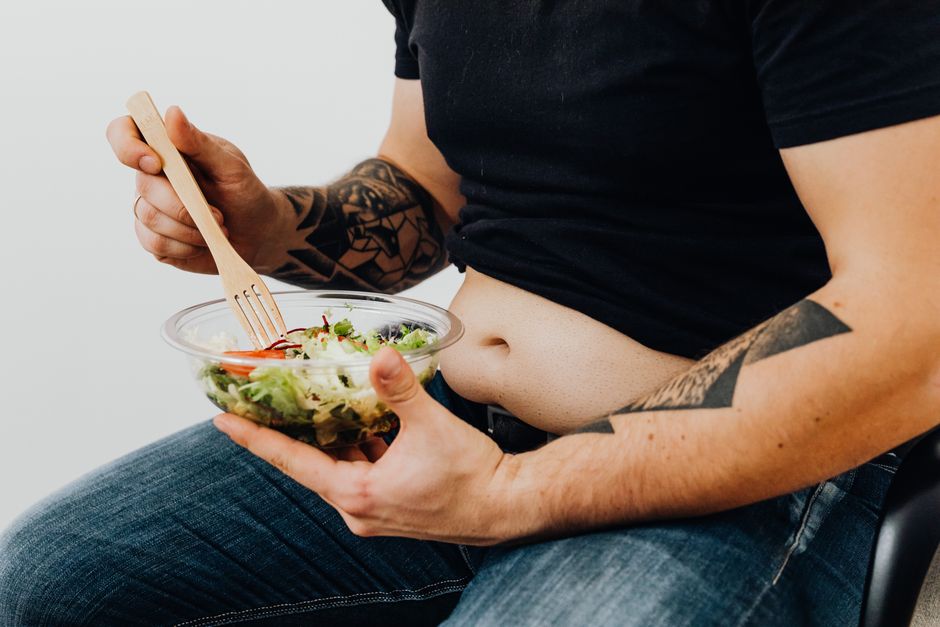
Losing belly fat and love handles is not about targeting those specific areas with exercises. The body does not work that way. Fat loss happens evenly across the body when you burn more calories than you consume. For most people, belly and love handle fat is the last to go because it is stored differently and responds more slowly to diet changes. The real answer is a consistent calorie deficit, strength training, and patience over several months.
What Causes Belly Fat and Love Handles?
Belly fat and love handles are mostly subcutaneous fat. That is the fat you can pinch under your skin. But deeper inside the belly is visceral fat, which wraps around organs and is linked to higher health risks. The CDC reports that excess visceral fat raises the risk of heart disease, type 2 diabetes, and some cancers.
Hormones play a major role. As people age, especially after 40, cortisol levels can rise due to stress. Cortisol encourages fat storage in the midsection. Lower estrogen after menopause also shifts fat storage to the belly. Genetics determine where your body stores fat first and loses it last. Some people naturally carry more fat around the waist no matter what they do.
Diet is the biggest driver. High intakes of added sugar, refined carbs, and processed foods spike insulin. Insulin tells your body to store fat and stop burning it. Over time, this creates a cycle where the belly holds onto fat even when you eat fewer calories. Sleep deprivation also raises ghrelin (hunger hormone) and lowers leptin (fullness hormone), making it harder to maintain a deficit.
Can You Spot Reduce Belly Fat and Love Handles?
No. Spot reduction is a myth that has been debunked by multiple studies. A 2013 study published in the Journal of Strength and Conditioning Research had participants do abdominal exercises five days a week for six weeks. They found no significant reduction in belly fat compared to a control group. The same applies to love handles.
When you exercise, your body pulls fat from fat cells throughout the body, not just the area you are working. Where you lose fat first is determined by genetics. Some people lose face fat first. Others lose leg fat first. Belly and love handles are usually the last to shrink. This is frustrating but normal.
That said, building muscle in the midsection can make love handles less noticeable. Stronger obliques and transverse abdominis create a tighter appearance. But the fat layer on top must still shrink through overall fat loss for visible change.
What Does Research on Losing Belly Fat Show?
Research published in the American Journal of Clinical Nutrition found that reducing added sugar intake significantly lowered visceral fat over 10 weeks, even without calorie restriction. The participants who cut sugar lost an average of 1.2 pounds of visceral fat. This suggests that sugar metabolism directly affects belly fat storage.
Another study in the Journal of Applied Physiology showed that high-intensity interval training (HIIT) reduced subcutaneous belly fat more than steady-state cardio over 12 weeks. The HIIT group lost 17 percent more belly fat even though they exercised for less total time. The mechanism appears to be increased afterburn effect, where the body continues burning calories for hours after the workout.
Strength training also matters. A 2014 study in Obesity found that combining resistance training with aerobic exercise was more effective for reducing visceral fat than either alone. The group doing both lost 2.5 times more visceral fat than the group doing only cardio. Muscle tissue burns more calories at rest than fat tissue, so more muscle means a higher resting metabolic rate.
Sleep is a factor that is often overlooked. A 2010 study in the Annals of Internal Medicine found that dieters who slept 5.5 hours lost 55 percent less body fat than those who slept 8.5 hours, even though calories were the same. The sleep-deprived group also lost more muscle mass. Poor sleep alters cortisol and insulin in ways that encourage belly fat retention.





What Diet Changes Actually Work for Belly Fat?
Cut added sugar. The American Heart Association recommends no more than 6 teaspoons (25 grams) of added sugar per day for women and 9 teaspoons (36 grams) for men. The average American consumes about 17 teaspoons daily. Most of this comes from soda, sweetened coffee drinks, cereal, and packaged snacks. Reducing these alone can produce measurable changes in waist circumference within a few weeks.
Increase protein. Protein has a higher thermic effect than carbs or fat, meaning your body burns more calories digesting it. A 2012 study in the Journal of Nutrition found that people who increased protein to 25 percent of total calories felt fuller and spontaneously ate fewer calories. Good sources include eggs, chicken, fish, Greek yogurt, and legumes.
Eat more fiber. Soluble fiber specifically helps reduce visceral fat. A 2011 study in Obesity showed that for every 10-gram increase in soluble fiber per day, participants lost 3.7 percent more visceral fat over five years. Fiber slows digestion and helps regulate blood sugar. Oats, flaxseeds, Brussels sprouts, and avocados are high in soluble fiber.
Consider intermittent fasting. Some evidence suggests time-restricted eating can help reduce belly fat, but results vary. A 2019 study in Cell Metabolism found that eating within an 8-hour window improved insulin sensitivity and reduced oxidative stress. The key is not eating fewer calories overall, but restricting the window in which you eat. This is not magic — it simply makes it harder to overeat late at night.
What Exercises Help Reduce Love Handles?
Compound exercises work best because they burn more calories and build more muscle. Deadlifts, squats, and pull-ups engage the core and obliques naturally. These movements recruit multiple muscle groups and raise your heart rate more than isolation exercises.
Side planks and Russian twists strengthen the obliques, but they will not burn the fat on top of them. Think of these as shaping exercises, not fat-loss exercises. Do them after your main lifts, not instead of them.
Walking is underrated. A 2014 study in the Journal of Exercise Nutrition & Biochemistry found that walking 50 to 70 minutes three times per week reduced visceral fat in women with obesity. Walking does not require recovery time, so it can be done daily. It also lowers cortisol, which directly helps belly fat retention.
HIIT is effective but not necessary. If you have joint issues or are new to exercise, steady-state cardio like jogging or cycling works fine. The difference in fat loss between HIIT and steady-state is modest over six months. Consistency matters more than intensity.
| Exercise Type | Calories Burned (30 min, 155-lb person) | Effect on Belly Fat |
|---|---|---|
| Walking (3.5 mph) | 140 | Moderate, lowers cortisol |
| Jogging (5 mph) | 295 | Moderate to high |
| HIIT (bodyweight) | 250-300 | High, increases afterburn |
| Strength training (moderate) | 130-180 | Moderate, builds muscle |
| Cycling (moderate) | 260 | Moderate |
What to Avoid When Trying to Lose Belly Fat
Avoid crash diets. Very low calorie diets cause rapid water weight loss and muscle breakdown, not fat loss. When you return to normal eating, the weight comes back mostly as fat. A 2018 study in the New England Journal of Medicine showed that slow, steady weight loss resulted in better long-term fat loss than rapid weight loss.
Avoid ab-focused workouts as your main exercise. Hundreds of crunches will not shrink love handles. They will strengthen the muscle underneath, but the fat layer stays the same unless you are in a calorie deficit. This is why many people do thousands of sit-ups and see no change in their waistline.
Avoid “belly fat burning” supplements. The Federal Trade Commission has fined multiple companies for making false claims about spot reduction pills. As of 2026, there is no clinical evidence that any supplement selectively burns belly fat. Caffeine and green tea extract may slightly boost metabolism, but the effect is too small to matter without diet changes.
Avoid alcohol, especially beer and sugary cocktails. Alcohol provides empty calories and temporarily stops fat burning. Your body prioritizes metabolizing alcohol over burning fat. A 2015 study in the European Journal of Nutrition found that heavy drinkers had significantly more visceral fat than moderate or non-drinkers, even at the same body weight.
How Long Does It Take to See Results?
Visible changes in belly fat and love handles usually take 8 to 12 weeks of consistent effort. This assumes a calorie deficit of 300 to 500 calories per day and regular exercise. The first few weeks show water weight loss, not fat loss. Do not be discouraged if your waist measurement does not change immediately.
Women tend to lose belly fat more slowly than men due to hormonal differences. Estrogen encourages fat storage in the hips and thighs first. Belly fat becomes more stubborn after menopause. Men typically lose belly fat faster because they store more visceral fat, which is more metabolically active and easier to mobilize.
Progress is not linear. You might lose two inches in the first month and then nothing for three weeks. This is normal. The body sometimes holds onto fat during periods of stress or hormonal fluctuation. Keep going. The fat will leave eventually if the deficit is maintained.
Frequently Asked Questions
Can I lose belly fat without exercise?
Yes, but it is slower and you will lose muscle along with fat. A calorie deficit alone will reduce belly fat over time, but strength training helps preserve muscle and improves body composition.
Do love handles go away with weight loss?
Yes, but they are usually the last area to shrink. You cannot control where fat leaves first, so patience is required.
How many calories should I cut to lose belly fat?
A deficit of 300 to 500 calories per day is safe and sustainable. This leads to about one pound of fat loss per week.
Is it possible to lose belly fat in one week?
No. Any weight lost in one week is mostly water weight. True fat loss requires a sustained deficit over weeks and months.
