
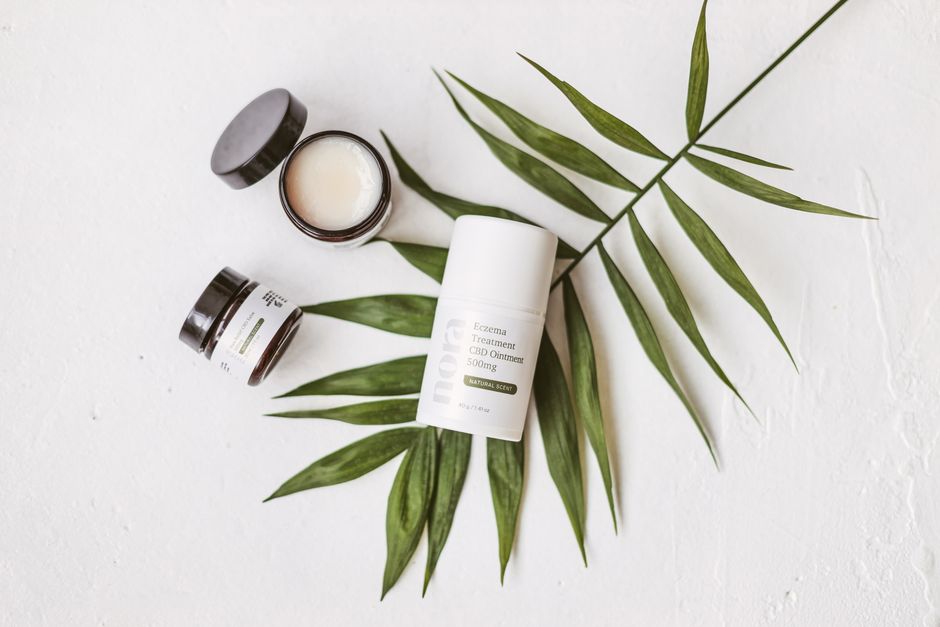
Eczema is itchy, dry, and often red skin that can feel like it never fully goes away. The truth is there is no cure, but most people can control their symptoms well with the right routine. The most effective approach combines gentle skin care, prescription treatments when needed, and avoiding your personal triggers. Many people see major improvement within weeks by sticking to a consistent plan.
What Causes Eczema Flare-Ups in Adults?
Eczema, also called atopic dermatitis, is not one simple thing. It is a complex condition involving your skin barrier, your immune system, and your environment. Your skin barrier acts like a brick wall. In people with eczema, that wall has gaps. Moisture leaks out. Irritants and allergens get in.
Your immune system then overreacts to those invaders. That overreaction causes the redness, swelling, and itch you feel. The National Eczema Association explains that a protein called filaggrin is often low in people with eczema. Filaggrin helps keep skin cells tight and protected. Without enough of it, the barrier is weak from the start.
Flare-ups happen when something triggers that immune response. Common triggers include dry air, harsh soaps, wool fabrics, stress, and certain foods. For some people, dust mites or pollen are the problem. The key is that triggers are personal. What sets off your skin may not bother someone else.
Does Moisturizer Alone Stop Eczema?
Moisturizer is the foundation of eczema care, but it is rarely enough on its own. Studies show that regular moisturizing can reduce flare-ups by about 30 to 50 percent. That is real and meaningful. But for moderate to severe eczema, creams alone will not control the itching and inflammation.
The type of moisturizer matters a lot. Thick creams and ointments work far better than thin lotions. Lotions contain more water and evaporate quickly. Ointments like petroleum jelly lock moisture in for hours. The American Academy of Dermatology recommends applying moisturizer within three minutes of bathing. This traps water in your skin before it evaporates.
Look for products with ceramides, which are lipids that help repair the skin barrier. Products with colloidal oatmeal can also calm itching. Avoid moisturizers with fragrances, dyes, or botanical extracts. These can irritate sensitive eczema skin even if they smell nice.
What Prescription Treatments Actually Work?
When moisturizers and over-the-counter creams are not enough, prescription options are the next step. Topical corticosteroids are the most common and well-studied treatment. They reduce inflammation directly. A mild hydrocortisone cream you buy at the store is weak. A doctor can prescribe stronger versions that work much better for stubborn patches.
Topical calcineurin inhibitors like tacrolimus and pimecrolimus are another option. These are steroid-free creams that control inflammation without thinning the skin. They are especially useful on sensitive areas like the face, eyelids, and groin. Research published in the Journal of the American Academy of Dermatology found them as effective as mild to moderate steroids for those areas.
For severe eczema that does not respond to creams, systemic medications are available. Dupilumab is a biologic injection that blocks specific immune pathways involved in eczema. Clinical trials showed it reduced itching and cleared skin in about 40 percent of patients after 16 weeks. Oral medications like methotrexate or cyclosporine are also used, though they require careful monitoring for side effects.





How Can I Get Rid Of Eczema Treatments That Help Without Side Effects?
No treatment is completely free of side effects, but some are lower risk than others. Topical steroids can cause skin thinning, stretch marks, and discoloration with long-term use. These risks go up with stronger steroids and longer use. Using them only on active flare-ups and taking breaks between courses lowers the risk significantly.
Topical calcineurin inhibitors have a boxed warning from the FDA about a rare cancer risk. This warning is based on animal studies and small human reports. The American Academy of Dermatology still considers them safe and effective when used as directed. The actual risk is very low for most people.
Biologics like dupilumab have different side effects. The most common are injection site reactions, eye inflammation, and cold sores. Serious infections are not more common than with placebo in clinical trials. Oral immunosuppressants like cyclosporine can affect kidney function and blood pressure. They require regular blood tests.
Many people want completely natural options. Bleach baths are a common recommendation. Research shows a diluted bleach bath can reduce bacterial load on the skin and lower infection risk. Use half a cup of household bleach in a full bathtub of warm water. Soak for 10 minutes no more than twice a week. Rinse and moisturize after.
| Treatment Type | Common Side Effects | Risk Level |
|---|---|---|
| Topical steroids | Skin thinning, stretch marks | Moderate with long use |
| Topical calcineurin inhibitors | Burning, stinging | Low |
| Biologics (dupilumab) | Eye inflammation, injection reactions | Low to moderate |
| Oral immunosuppressants | Kidney issues, high blood pressure | High, needs monitoring |
| Bleach baths | Skin irritation if overused | Very low with proper dilution |
What Lifestyle Changes Make the Biggest Difference?
Your daily habits matter as much as your creams. Bathing properly is one of the most overlooked steps. Short, lukewarm baths or showers for 5 to 10 minutes are best. Hot water strips natural oils. Long baths dry out skin. Pat dry with a towel instead of rubbing. Apply moisturizer immediately while skin is still damp.
Clothing choices affect eczema too. Soft cotton and bamboo fabrics let skin breathe. Wool and synthetic materials like polyester can trap heat and cause itching. Wash new clothes before wearing them to remove chemical residues. Use fragrance-free laundry detergent and skip fabric softeners. They leave a coating on clothes that can irritate skin.
Stress is a well-known trigger. When you are stressed, your body releases cortisol. High cortisol can weaken the skin barrier and increase inflammation. A 2020 study in the journal Dermatology and Therapy found that stress management techniques like meditation and deep breathing reduced eczema severity in participants. Even 10 minutes a day of quiet breathing can help.
Diet changes help some people but not everyone. There is no universal eczema diet. Some people find that dairy, eggs, or gluten trigger their flares. The best approach is an elimination diet under a doctor’s guidance. Cut one food group for three weeks. If your skin improves, that food may be a trigger. If not, add it back. Do not cut multiple foods at once because you will not know what helped.
What Common Eczema Myths Should You Ignore?
One persistent myth is that eczema is caused by poor hygiene. This is completely false. Eczema is an immune and skin barrier problem. Scrubbing harder or washing more often makes it worse by stripping the skin. Gentle cleansing once or twice a day is enough.
Another myth is that eczema is contagious. You cannot catch it from someone else. It is not an infection. The red patches are inflammation, not germs. People sometimes avoid touching someone with eczema because they think it spreads. That is not based on any evidence.
Some people believe that coconut oil cures eczema. Coconut oil is a good moisturizer for some, but it is not a cure. It can actually worsen eczema for people allergic to coconuts. A study in the journal Pediatric Dermatology found that virgin coconut oil reduced staph bacteria on the skin. But it did not cure eczema itself. Use it as a moisturizer if it works for you. Do not expect it to replace medical treatment.
Probiotics are widely promoted for eczema. The evidence is mixed. Some studies show that probiotics taken during pregnancy may reduce the risk of eczema in babies. For adults with active eczema, the benefit is unclear. A 2018 review in the Cochrane Database of Systematic Reviews found no strong evidence that probiotics improve eczema symptoms. They are not harmful, but they are not a proven treatment.
What to Avoid When Your Skin Is Flaring
When your skin is red and itchy, it is tempting to try everything at once. That is a mistake. Using too many products can irritate your skin further. Stick to a simple routine: one gentle cleanser, one moisturizer, and one prescription treatment if prescribed. Do not layer multiple creams or try new products every day.
Avoid scratching at all costs. Scratching damages the skin barrier and releases more inflammatory chemicals. It creates an itch-scratch cycle that is hard to break. Keep your nails short. Wear cotton gloves at night if you scratch in your sleep. Cold compresses can calm intense itching. Press a cool, wet cloth on the area for 10 minutes.
Do not use antibacterial soaps or harsh acne treatments on eczema patches. Ingredients like benzoyl peroxide, salicylic acid, and alcohol dry out skin and worsen eczema. Stick to fragrance-free, soap-free cleansers designed for sensitive skin. Brands like Cetaphil, CeraVe, and La Roche-Posay are commonly recommended by dermatologists.
Be careful with natural remedies too. Tea tree oil, apple cider vinegar, and essential oils are popular online. They can burn and irritate eczema skin. A 2016 study in the Journal of Dermatological Treatment found that tea tree oil caused allergic reactions in some people with eczema. Do a patch test on a small area of skin before using any new product. Wait 24 hours to see if redness or itching develops.
Frequently Asked Questions
Can eczema go away on its own without treatment?
Eczema can improve with age for some people, but it rarely goes away completely without any care. Most people need ongoing moisturizing and trigger avoidance to keep symptoms under control.
Is it safe to use steroid creams every day?
Using mild steroid creams daily for short periods is safe, but stronger steroids should only be used for a few weeks at a time. Long-term daily use of strong steroids can thin the skin and cause other side effects.
Does diet really affect eczema in adults?
Diet affects some adults with eczema, but not all. Food triggers are personal and most common in young children. An elimination diet under medical guidance can help identify your specific triggers if you suspect food is a factor.
What is the fastest way to stop an eczema itch?
Applying a cold compress or ice pack to the itchy area provides the fastest relief. Follow with a thick moisturizer or a prescribed anti-inflammatory cream to calm the underlying inflammation.
