
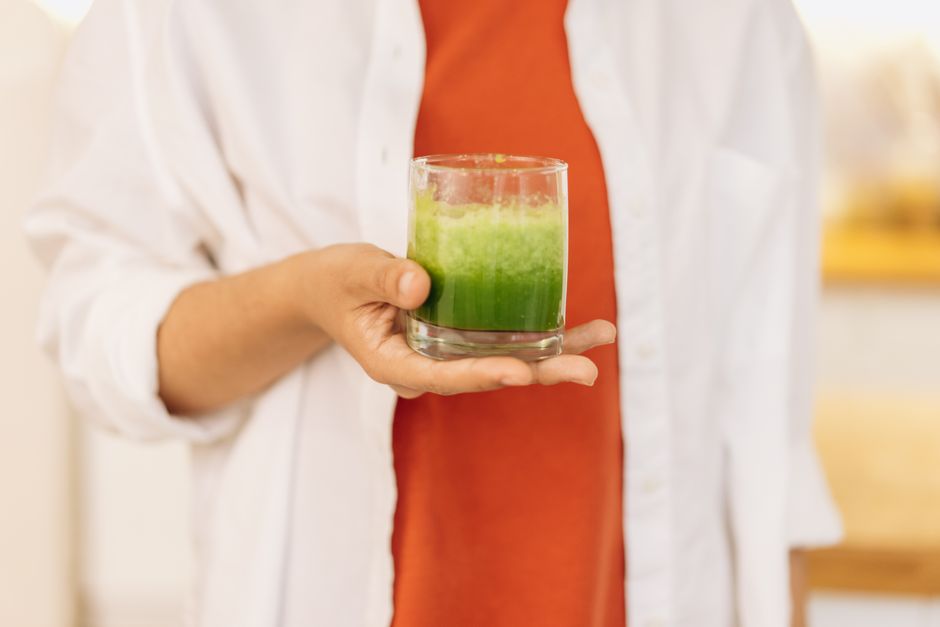
The idea of a “liver cleanse” is everywhere online. Teas, supplements, juice fasts, and special diets all promise to flush toxins and reset your system. The truth is simpler and less dramatic. Your liver does not need help to cleanse itself. It is already doing the job. What actually works is giving your liver the right conditions to do its work, and avoiding the things that make its job harder.
What Does the Liver Actually Do?
The liver is your body’s main processing center. It filters blood coming from the digestive tract before that blood goes to the rest of the body. It also processes medications, breaks down alcohol, and clears waste products from normal cell activity.
This organ handles more than filtering. It produces bile, which is essential for digesting fats. It stores glycogen, which is a form of sugar your body uses for quick energy. It makes proteins that help blood clot. It manages cholesterol levels and helps fight infections by removing bacteria from the blood.
None of these jobs require a special cleanse to work. The liver is built to perform these tasks continuously. When people talk about “toxins,” they usually mean the waste products your liver already processes and removes through bile or urine. The system is self-maintaining when it is healthy.
How Can I Cleanse My Liver What Really Works?
The most honest answer is that no commercial cleanse has been shown to improve liver function in healthy people. No tea, supplement, or juice fast has clinical evidence behind it for this purpose. What has evidence behind it is a set of daily habits that keep the liver functioning well.
Your liver needs certain conditions to work properly. It needs a steady supply of nutrients, adequate water, and protection from substances that damage liver cells. When you provide those conditions, the liver does its own cleaning efficiently. When you do not, no cleanse will fix the underlying problem.
Think of it like changing the oil in a car. You cannot fix a neglected engine by adding a special additive. You fix it by doing the regular maintenance that keeps the engine running properly. Liver health works the same way.
What Damages the Liver Most?
Several things are known to harm the liver directly. Understanding these is more useful than any cleanse.
Alcohol is the most common cause of liver damage in the United States. When you drink, the liver works to break down the alcohol. This process creates harmful byproducts that can injure liver cells. Over time, heavy drinking causes fat to build up in the liver, then inflammation, and eventually scarring, which is called cirrhosis.
Metabolic syndrome is another major cause. This condition is linked to being overweight, having high blood pressure, high blood sugar, and abnormal cholesterol levels. When these factors combine, fat builds up in the liver even in people who drink little or no alcohol. This is called non-alcoholic fatty liver disease, and it is now the most common liver condition in the United States.
Certain medications can also stress the liver. Acetaminophen is safe at recommended doses, but taking too much can cause serious liver injury. Some prescription medications also carry liver warnings. Always follow dosing instructions and talk to your doctor about any concerns.
Viral hepatitis is a less common but serious cause of liver damage. Hepatitis B and C are infections that can cause long-term liver inflammation and scarring. These are diagnosed with blood tests and require medical treatment.



What Does the Evidence Say About Liver Cleanses?
Commercial liver cleanses typically contain herbs like milk thistle, dandelion root, or artichoke extract. Some research suggests these herbs have antioxidant properties. However, no large human trials have confirmed that any of them cleanse the liver or remove toxins.
Milk thistle is the most studied. Some research indicates it may have protective effects in certain liver diseases. The evidence is mixed, and most studies have been small or poorly designed. No study has confirmed that milk thistle cleanses a healthy liver.
Juice fasts and detox diets have even less evidence. They often cause weight loss, but that weight loss is mostly water and glycogen, not toxins. When people feel better during a juice fast, it is often because they are eating fewer processed foods and more vegetables. The same benefit can come from a normal healthy diet without the extreme restriction.
Some cleanses can actually be harmful. Very low-calorie diets stress the liver. Certain herbal products contain ingredients that are toxic to the liver. The FDA does not regulate supplements the same way it regulates medications. Some products marketed as liver cleanses have been linked to cases of liver injury.
What Actually Supports Liver Health?
The habits that support liver health are the same habits that support overall health. They are not glamorous, but they are effective.
Maintain a healthy weight. Excess body fat, especially around the abdomen, is strongly linked to fatty liver disease. Losing even 5 to 10 percent of your body weight can reduce fat in the liver and lower inflammation. This is one of the most well-established ways to improve liver health.
Limit alcohol. The less you drink, the less work your liver has to do. For people with existing liver disease, the recommendation is usually to avoid alcohol completely. For healthy people, moderation is the standard guidance, which means up to one drink per day for women and up to two for men.
Eat a balanced diet. Whole foods, vegetables, fruits, lean proteins, and whole grains support liver function. Fiber helps move waste through your digestive system. Antioxidants from plant foods help protect liver cells from damage. No single food or herb is a magic bullet.
Stay hydrated. Water helps your kidneys remove waste products. Your liver and kidneys work together to clear waste from your body. If you are dehydrated, both organs have to work harder.
Get vaccinated. Vaccines for hepatitis A and hepatitis B are safe and effective. They protect against viruses that can cause serious liver damage.
Be careful with medications. Follow dosing instructions for all medications, especially acetaminophen. Talk to your doctor before taking any supplement, especially if you have liver disease.
What About Coffee and Other Foods?
Coffee is one of the few foods with consistent evidence for liver protection. Multiple studies have found that regular coffee consumption is linked to lower rates of liver disease, including liver cancer and cirrhosis. The protective effect appears to come from coffee itself, not caffeine, since decaf coffee also shows benefits. Some research suggests coffee helps reduce liver inflammation and slow the progression of fibrosis, which is scarring in the liver.
Other foods commonly recommended for liver health include leafy greens, olive oil, fatty fish, nuts, and berries. These foods provide nutrients that support liver function. But no single food reverses liver damage. A consistent pattern of healthy eating matters more than any individual item.
One important note about grapefruit: it can interfere with how your liver processes certain medications. If you take prescription drugs, check with your pharmacist about grapefruit interactions. This is a real concern, not a myth.
When Should You See a Doctor?
Liver disease often has no symptoms in its early stages. By the time symptoms appear, the condition may be advanced. That is why routine checkups matter, especially if you have risk factors.
See a doctor if you experience persistent fatigue, yellowing of the skin or eyes, dark urine, pale stool, or pain in the upper right side of your abdomen. These can be signs of liver problems and deserve medical attention.
Your doctor can order simple blood tests that check liver enzymes. These tests measure proteins and enzymes that indicate liver damage or inflammation. If the results are abnormal, your doctor can investigate further and recommend treatment.
If you have been diagnosed with fatty liver disease or any other liver condition, follow your doctor’s recommendations. Do not replace medical treatment with over-the-counter cleanses. Some supplements can interact with liver medications or worsen existing damage.
Frequently Asked Questions
Can a liver cleanse remove toxins from my body?
No clinical evidence confirms that any cleanse removes toxins from the body. Your liver and kidneys already remove waste products on their own when they are healthy.
Are liver cleanse supplements safe?
Not necessarily. Supplements are not regulated like medications, and some herbal products have been linked to liver injury. Talk to your doctor before taking any supplement marketed as a liver cleanse.
How long does it take for the liver to repair itself?
The liver can repair itself over weeks to months once the cause of damage is removed, such as stopping alcohol or losing weight. The timeline depends on the severity of the damage and your overall health.
Does milk thistle help the liver?
Some studies suggest milk thistle may have protective effects in certain liver diseases, but the evidence is mixed. No study has confirmed that it cleanses a healthy liver.
