
When anxiety hits, reaching for a calming drink is a natural instinct. The right choice can help settle your nervous system, while the wrong one can make things worse. Water, herbal teas like chamomile, and warm milk are reliable options backed by evidence, while caffeine and alcohol are known to worsen anxiety symptoms. This guide breaks down which drinks genuinely calm nerves and which ones you should avoid, based on established clinical research.
What To Drink To Calm Nerves And Ease Anxiety: The Best Options
Several drinks have solid evidence behind their calming effects. The most reliable choices work through established biological mechanisms rather than marketing claims.
Chamomile tea is one of the most studied calming beverages. Research consistently shows that chamomile contains apigenin, a compound that binds to benzodiazepine receptors in the brain. These are the same receptors targeted by anti-anxiety medications. A well-known clinical trial published in the Journal of Clinical Psychopharmacology found that chamomile extract significantly reduced anxiety symptoms compared to placebo. Drinking chamomile tea delivers a milder version of this effect, but real benefits are possible with regular consumption.
Green tea deserves a closer look. It contains L-theanine, an amino acid that promotes relaxation without drowsiness. L-theanine increases alpha brain wave activity, which is associated with a calm, alert mental state. The caffeine content in green tea is modest, and the L-theanine appears to offset the jittery effects of caffeine. Some studies suggest this combination produces a unique state of relaxed focus. If you are sensitive to caffeine, look for decaffeinated green tea, which retains most of the L-theanine content.
Warm milk is not just an old wives’ tale. Milk contains tryptophan, an amino acid that the body converts into serotonin and eventually melatonin. Serotonin is a key neurotransmitter involved in mood regulation. The warmth of the drink also has a soothing physical effect. While the tryptophan content in a single glass of milk is modest, the combination of warmth, routine, and mild biochemical support makes it a reasonable choice before bed.
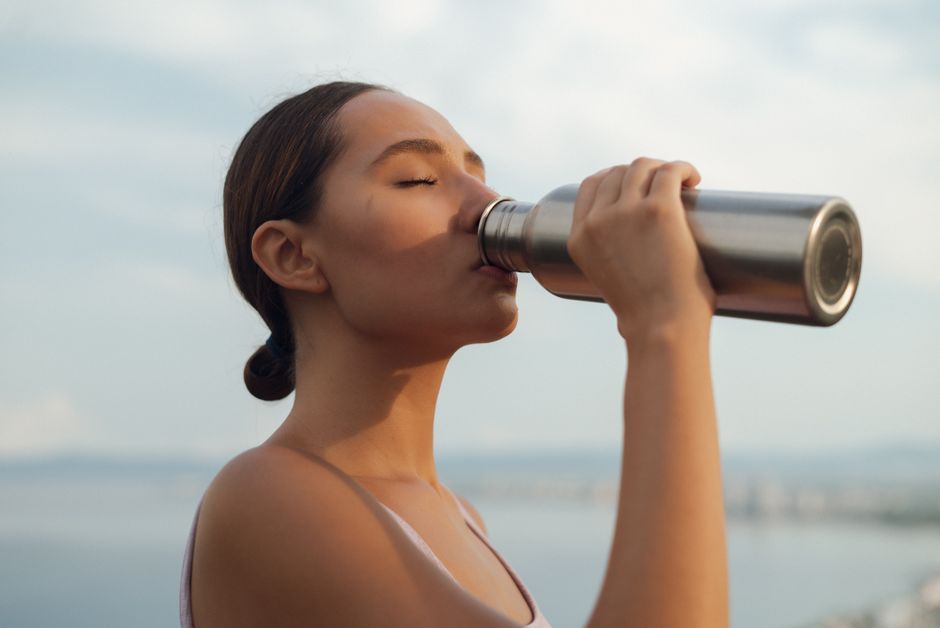
Plain water is the most overlooked option. Even mild dehydration can affect mood and cognitive function. Research has shown that dehydration increases perceived task difficulty and can elevate anxiety levels. Maintaining adequate hydration throughout the day is a simple, free intervention that supports overall nervous system function. There is no established exact amount that specifically targets anxiety, but general hydration guidelines suggest roughly 11.5 cups for women and 15.5 cups for men daily from all beverages and foods.
Which Drinks Make Anxiety Worse?
Knowing what to avoid is just as important as knowing what to drink.
Caffeine is a well-documented anxiety trigger. It blocks adenosine receptors in the brain, which keeps you alert but also activates the sympathetic nervous system. This is the fight-or-flight response. In people prone to anxiety, caffeine can trigger palpitations, restlessness, and racing thoughts. The effect is dose-dependent, meaning higher amounts cause stronger reactions. Some people are genetically slow metabolizers of caffeine and experience prolonged effects. If you have anxiety, reducing or eliminating caffeine is one of the most effective dietary changes you can make. The FDA cites 400 mg per day as a safe upper limit for healthy adults, but people with anxiety often tolerate far less.
Alcohol is a trap. It initially depresses the central nervous system, which is why people feel relaxed after a drink. But as the body metabolizes alcohol, blood sugar levels can drop and rebound anxiety often follows. Alcohol also disrupts sleep architecture, particularly REM sleep. Poor sleep is a major contributor to next-day anxiety. For people with anxiety disorders, alcohol provides temporary relief followed by a predictable worsening of symptoms. There is no safe amount of alcohol for anxiety management. Some research suggests even moderate drinking can increase anxiety symptoms over time.
Energy drinks combine high caffeine doses with added stimulants like taurine and guarana. These products deliver a rapid spike in heart rate and blood pressure. They have been linked to increased anxiety and panic attacks, especially in young adults. The combination of caffeine and sugar creates a cycle of energy crashes that can mimic or trigger anxiety symptoms. There is no evidence that any energy drink has calming properties.
Sugary drinks deserve caution as well. High sugar intake causes rapid blood glucose spikes followed by insulin-driven crashes. A blood sugar crash can produce symptoms that feel identical to anxiety: shakiness, irritability, and difficulty concentrating. This is not an anxiety disorder, but it can certainly feel like one. Choosing water or unsweetened tea over soda and juice drinks stabilizes blood sugar and prevents this rollercoaster effect.
How Do Herbal Teas Compare For Calming Effects?
Not all herbal teas are equally effective. The evidence base varies considerably.
Chamomile has the strongest clinical support. The apigenin mechanism is well established, and human trials have confirmed measurable anxiety reduction. It is generally recognized as safe, though people allergic to plants in the daisy family should avoid it.
Lavender tea has emerging evidence. Lavender essential oil has demonstrated anxiolytic properties in several studies, and some research suggests lavender tea offers similar benefits. The active compounds, linalool and linalyl acetate, are believed to interact with the nervous system through inhalation and ingestion. The evidence is promising but less robust than chamomile.
Passionflower has traditional use for anxiety and some clinical support. Studies have shown it may increase GABA levels in the brain. GABA is the primary inhibitory neurotransmitter and acts like a brake on the nervous system. However, research quality varies, and passionflower can interact with sedative medications. It should not be combined with anti-anxiety drugs without medical supervision.
Lemon balm belongs to the mint family and has shown mild calming effects in some trials. It appears to work through GABA pathways as well. One study found that lemon balm extract reduced stress in laboratory settings. The effect is modest, and larger trials are needed to confirm its clinical value.
Valerian root is primarily used for sleep rather than daytime anxiety. It can cause drowsiness, so it is not ideal for calming nerves while you need to remain functional. Its evidence base is mixed, with some studies showing benefit and others showing no difference from placebo.
Here is a quick comparison of common calming teas:
| Tea | Main Active Compound | Evidence Strength | Best For |
|---|---|---|---|
| Chamomile | Apigenin | Strong clinical support | General anxiety, evening relaxation |
| Green tea | L-theanine | Moderate to strong | Calm focus during the day |
| Lavender | Linalool | Emerging | Stress relief, sleep support |
| Passionflower | GABA-enhancing compounds | Moderate, mixed | Occasional anxiety |
| Lemon balm | GABA-enhancing compounds | Moderate, limited | Mild stress |
| Valerian | Unclear, multiple compounds | Mixed | Sleep onset, not daytime anxiety |




What About Warm Water With Lemon Or Other Simple Remedies?
Warm water with lemon is popular but has no specific anxiety-calming mechanism. The hydration benefit is real, but lemon itself has no established effect on the nervous system. It is a fine choice if you enjoy it, just do not expect direct anxiety relief.
Tart cherry juice has some evidence for sleep improvement. It contains natural melatonin and has been studied for sleep-related outcomes. Better sleep indirectly helps anxiety, but there is no direct evidence that tart cherry juice calms acute anxiety.
Coconut water is a source of electrolytes, particularly potassium and magnesium. Magnesium deficiency has been linked to increased anxiety symptoms in some research. However, the evidence that magnesium supplementation reduces anxiety in people with normal levels is weak. Coconut water is hydrating and healthy, but it is not an anxiety treatment.
Bone broth is sometimes promoted for calming effects due to its glycine content. Glycine is an amino acid that has shown some calming properties in animal studies and limited human research. The glycine content in a typical serving of bone broth is modest. There is no clinical evidence that bone broth specifically reduces anxiety in humans.
How Quickly Do These Drinks Work?
Expectations matter. Herbal teas and calming drinks are not fast-acting medications.
Chamomile and other herbal teas generally take effect within 30 to 60 minutes after drinking. The effect is gradual and subtle. You will likely notice a gentle shift rather than a dramatic change. This is different from anti-anxiety medications like benzodiazepines, which work within minutes.
L-theanine from green tea typically reaches peak levels in the blood within 50 minutes. Its calming effect is described as subtle and non-sedating. Many people report feeling more composed without feeling sleepy.
For acute panic or severe anxiety, drinks are not the appropriate first-line response. If you experience sudden, intense anxiety symptoms, breathing exercises or professional support are more effective than waiting for tea to take effect. Drinks are best used as part of a daily routine to support overall nervous system health, not as emergency interventions.
What Else Can You Drink To Support Your Nervous System Long-Term?
Consistency matters more than any single drink.
Establishing a calming evening ritual signals your body that it is time to wind down. The ritual itself is part of the benefit. Drinking the same chamomile tea at the same time each evening creates a conditioned relaxation response. Over time, the simple act of preparing the tea can trigger calm.
Staying hydrated throughout the day prevents the mood disturbances associated with even mild dehydration. Keep a water bottle nearby and sip regularly. This is not glamorous, but it is effective and free.
Magnesium-rich drinks deserve a mention but require caution. Some research suggests magnesium can help with mild anxiety, particularly in people with low magnesium levels. However, magnesium supplements can cause digestive upset and interact with certain medications. There is no established clinical guideline for magnesium drinks specifically for anxiety. If you are considering magnesium supplementation, discuss it with your healthcare provider first.
Probiotic drinks like kefir and kombucha are sometimes linked to anxiety through the gut-brain axis. This is an active research area. Some studies suggest gut health influences mood, but the evidence is not strong enough to recommend specific probiotic drinks for anxiety. They are healthy beverages for other reasons, but do not expect a direct calming effect.
Frequently Asked Questions
What is the fastest drink to calm anxiety?
Plain water is the fastest option because dehydration can worsen anxiety symptoms and rehydration provides quick relief. For a calming effect, chamomile tea works within 30 to 60 minutes but is not an emergency treatment.
Can I drink green tea if I have anxiety?
Yes, but choose decaffeinated green tea if you are sensitive to caffeine. The L-theanine in green tea promotes relaxation, and removing caffeine eliminates the jittery side effects that can trigger anxiety.
Is it safe to drink calming tea every day?
Chamomile and green tea are generally safe for daily consumption for most people. Check with your doctor if you are pregnant, breastfeeding, or taking medications that might interact with herbal compounds.
Does warm milk really help you relax?
Warm milk has a modest calming effect due to its tryptophan content, which supports serotonin production. The warmth and bedtime routine also contribute to its soothing reputation.
