
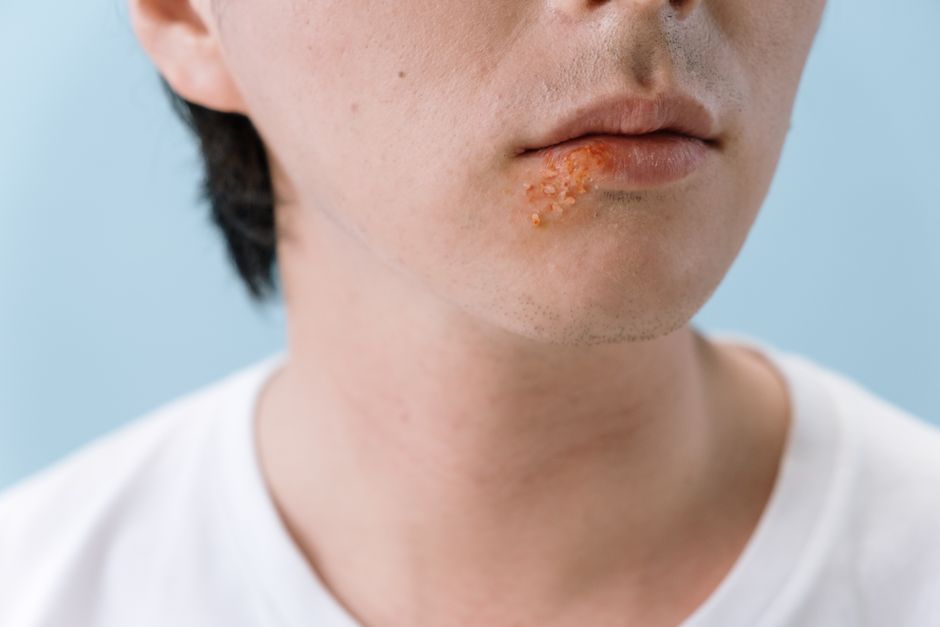
An ingrown hair can become a serious infection, and in rare cases that infection can spread into the bloodstream and cause sepsis. But the path from a bump on your skin to a life-threatening condition is not common. Most ingrown hairs heal on their own or with simple care. The risk rises when a blocked follicle becomes infected, the infection goes untreated, and the bacteria move beyond the skin.
Understanding that chain matters. It helps you tell the difference between a nuisance and something that needs medical attention. It also keeps you from panicking over every red bump — and from ignoring the ones that deserve a closer look.
What Happens When an Ingrown Hair Gets Infected?
An ingrown hair happens when a hair curls back and grows into the skin, or when a hair is cut or shaved and the new growth pushes into surrounding tissue. The body responds to that trapped hair as an irritant. The area turns red, swells, and may itch or hurt.
Infection enters the picture when bacteria get into the blocked follicle. The skin normally hosts bacteria, including Staphylococcus aureus, and a small break or irritation gives them a way in. The result is a small abscess — a pocket of pus — around the hair. This is often called folliculitis when it involves the follicle itself.
Signs that a bump has moved from irritated to infected usually include:
- Increasing redness and warmth around the bump
- Swelling that gets worse instead of better
- Pus or a fluid-filled center
- Pain that grows more intense
- Red streaks spreading from the area
This is a common problem, not an exotic one. Ingrown hairs are especially frequent in areas that get shaved, waxed, or rubbed — the beard area, the back of the neck, the armpits, the groin, and the legs. People with curly hair are more prone to them.
How Bad Can an Ingrown Hair Get Infection to Sepsis?
Sepsis is the body’s extreme response to an infection. Instead of targeting just the infection, the immune response turns against the body’s own tissues and organs. It is a medical emergency. When sepsis develops from a skin infection, the bacteria have moved past the skin and into the bloodstream or deep tissues — a condition called bacteremia when bacteria are in the blood.
So can an ingrown hair get there? Yes, in principle. Any skin infection, if it is not controlled, has the potential to spread. The bacteria can travel through small blood vessels or lymph channels. If the immune system cannot contain them, the infection can become systemic.
But context matters enormously. The overwhelming majority of infected ingrown hairs stay local. They drain, heal, or respond to simple treatment. Progression to sepsis is uncommon and usually requires something that weakens the body’s defenses or delays care. The people at higher risk include those with weakened immune systems, poorly controlled diabetes, or circulation problems, and those who are very young or elderly.
There is a detail worth knowing. The skin is a strong barrier, and a small follicular infection is usually walled off by the body’s defenses. Sepsis from a minor skin bump is not the typical path. When it does happen, there is often a reason the infection was able to advance — a large or deep abscess, bacteria that are hard to clear, or a delay in getting treatment.
What Are the Warning Signs That an Infection Is Spreading?
Local infection and spreading infection look different. Knowing the signs of spread is more useful than worrying about every red bump. A spreading infection is a reason to seek medical care promptly.
Watch for these signs that an infection has moved beyond the skin:
- Red streaks extending from the bump toward the body — this can signal infection traveling through lymph channels
- Fever or chills
- Swelling and tenderness in nearby lymph nodes, such as in the groin or armpit
- Increasing pain out of proportion to what you see
- Feeling generally unwell, tired, or confused
- Fast heart rate or fast breathing
- Low blood pressure, dizziness, or fainting
The last several signs are red flags for sepsis itself. Sepsis symptoms can include fever or low body temperature, fast heart rate, fast breathing, confusion, and a feeling of severe illness. These are emergency signs. If they appear alongside an infection, get emergency care right away.
One clarification that helps: a red streak is a sign the infection is following a lymph channel, not proof of sepsis. It still deserves prompt medical attention, because it means the infection is no longer contained at the skin.





Who Is at Higher Risk of a Serious Infection?
A healthy person’s immune system handles most skin infections without trouble. Risk climbs when the body’s defenses are weaker or when circulation is poor. The main groups at higher risk include:
- People with weakened immune systems, from conditions or from medications that suppress immunity
- People with poorly controlled diabetes
- People with poor circulation or peripheral vascular disease
- Older adults and very young infants
- People with skin conditions that cause repeated breaks in the skin
For these groups, a minor infection deserves more caution and a lower threshold for seeing a clinician. That does not mean every ingrown hair is dangerous for them. It means the margin for delay is smaller.
When Should You See a Doctor About an Ingrown Hair?
Most ingrown hairs do not need a doctor. See a clinician when a bump is getting worse rather than better after a few days, when it is large, very painful, or filled with pus, or when redness and swelling are spreading. Fever, chills, red streaks, or feeling unwell are reasons to seek care promptly, and signs of sepsis are reasons to seek emergency care.
There is no single number of days that applies to everyone, so use the direction of change as your guide. A bump that is shrinking is reassuring. One that is enlarging, hot, and increasingly painful is not.
Some clinicians recommend warm compresses to help a small abscess drain, and keeping the area clean. Do not squeeze or dig at a deep or painful bump. Pressing on an infection can push bacteria deeper into tissue. If an abscess is large or does not drain, a clinician may need to open and drain it, and antibiotics may be considered depending on the situation. Whether antibiotics are needed is a clinical judgment, not something to decide from a web page.
How Do You Prevent Ingrown Hairs and Lower the Risk?
Prevention focuses on reducing irritation and keeping skin healthy. These steps are widely recommended and low risk:
- Shave in the direction of hair growth rather than against it
- Use a sharp razor and avoid pressing hard
- Warm the skin and use shaving cream or gel before shaving
- Avoid tight clothing that rubs the skin
- Exfoliate gently and moisturize regularly
For people who get ingrown hairs repeatedly, some clinicians suggest letting hair grow out or using other hair removal methods. Evidence on how well these steps prevent infection specifically is limited, but reducing irritation is a reasonable goal. No method guarantees you will never get an ingrown hair.
The bigger point is not to ignore a bump that is clearly worsening. The chain from ingrown hair to sepsis is real but rare. Catching a spreading infection early is what breaks that chain.
Frequently Asked Questions
Can an ingrown hair turn into sepsis?
It can, in rare cases, if the infection spreads beyond the skin into the bloodstream. Most ingrown hair infections stay local and heal, so sepsis is uncommon.
How do I know if an ingrown hair infection is serious?
Warning signs include spreading redness, red streaks, fever, chills, and feeling generally unwell. These mean the infection may be spreading and warrant prompt medical care.
Should I pop an infected ingrown hair?
No. Squeezing a deep or painful bump can push bacteria deeper into the tissue and worsen the infection. Warm compresses and clean care are safer, and a clinician can drain an abscess if needed.
When does an infected ingrown hair need antibiotics?
Antibiotics may be considered when an infection is spreading or not improving, but this is a clinical decision. There is no universal rule, so a clinician should assess the specific case.
