
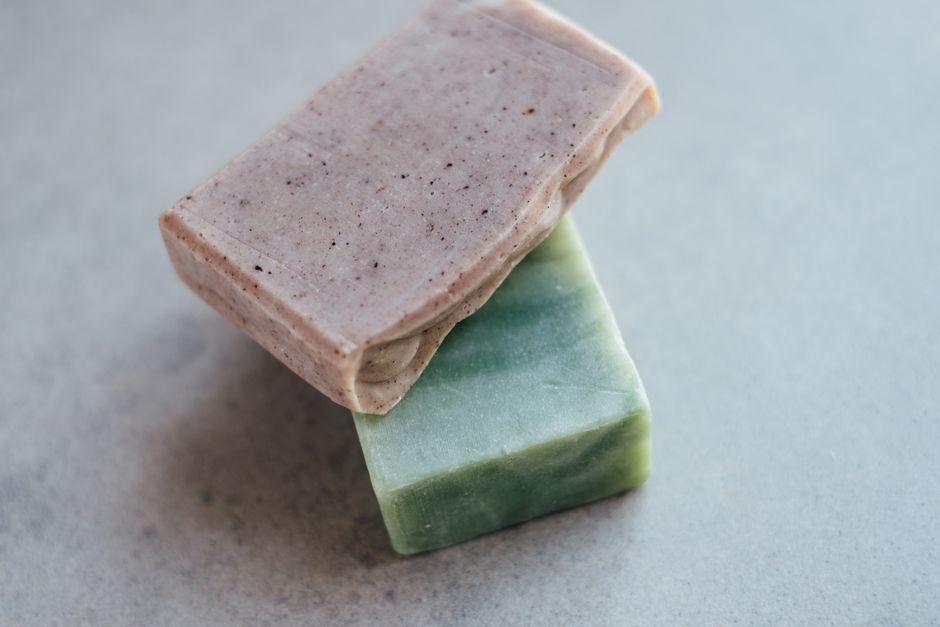
Soap is made by mixing fats or oils with a strong alkali solution in a process called saponification. This chemical reaction breaks down the fats into fatty acid salts, which are soap molecules, and releases glycerin as a byproduct. The result is a substance that can lift dirt and oil from your skin so water can rinse them away.
What Exactly Is Saponification?
Saponification is the core chemical reaction that turns raw ingredients into soap. It happens when triglycerides — the main component of animal fats or plant oils — meet sodium hydroxide (lye) for bar soap, or potassium hydroxide for liquid soap.
The reaction breaks the triglyceride molecules apart. One end of the new molecule loves water. The other end loves oil and grease. This dual nature is what makes soap work. The oil-loving end grabs onto dirt and bacteria, and the water-loving end lets it all wash away.
Heat is usually applied to speed up the reaction. Without enough heat or time, the soap will be harsh and can irritate your skin. Properly made soap has no leftover lye because it all gets consumed during saponification.
What Ingredients Are Used in Modern Soap Making?
Most commercial soaps use a blend of fats and oils to balance hardness, lather, and moisturizing qualities. Common choices include palm oil, coconut oil, olive oil, and tallow from beef fat. Each fat gives different properties to the final bar.
The alkali used is almost always sodium hydroxide for bars and potassium hydroxide for liquids. Water is added to dissolve the alkali and help the reaction. Fragrances, colorants, and preservatives are added after saponification is complete.
Some products labeled as “soap” in stores are actually synthetic detergents. The FDA allows the word “soap” on labels only if the product is made from fats and alkali. If it contains petroleum-based cleansers, it is technically a detergent, not soap. This is widely claimed though strong evidence on labeling enforcement is limited.
How Are Soaps Manufactured on an Industrial Scale?
Large-scale soap production follows the same chemistry but uses different equipment. The most common method is the continuous process, where fats and alkali are pumped through heated pipes and mixed continuously. This produces soap in hours instead of days.
The soap then goes through a purification step called “fitting.” Salt is added to separate the soap from the leftover liquid, which contains glycerin, water, and impurities. The soap rises to the top and is skimmed off. The glycerin is often sold separately for use in cosmetics and pharmaceuticals.
After purification, the soap is dried, mixed with additives like fragrance and color, and then extruded through a machine that shapes it into bars. The bars are cut, stamped with a logo, and wrapped. A single industrial line can produce thousands of bars per hour.
Here is a quick comparison of the two main production methods:
| Method | Batch Process | Continuous Process |
|---|---|---|
| Speed | Days per batch | Hours per batch |
| Control | High, easy for small batches | Requires precise automation |
| Glycerin | Left in soap (more moisturizing) | Removed (sold separately) |
| Scale | Small to medium | Industrial, thousands of bars per hour |




What Is the Difference Between Cold Process and Hot Process Soap?
Cold process soap is made by mixing the lye solution with oils at room temperature. The mixture is poured into molds and left to saponify on its own over 24 to 48 hours. The heat generated by the chemical reaction is enough to complete the process. This method preserves more of the natural glycerin and the delicate properties of the oils.
Hot process soap uses external heat to speed up saponification. The mixture is cooked in a slow cooker or a heated vat until the reaction finishes in about one to two hours. This produces a soap that is ready to use sooner, but it often has a rougher texture and a less creamy lather than cold process soap.
Both methods produce real soap. The choice depends on whether you want a smoother bar with a longer cure time or a rustic bar that is ready faster. Many small-scale soap makers prefer cold process for its simplicity and control.
What Additives Are Common in Commercial Soap?
After saponification, manufacturers add ingredients to improve the soap’s feel, smell, and shelf life. Fragrances are the most common additive. Synthetic fragrances are cheaper and last longer than essential oils, but some people find them irritating.
Colorants range from natural clays and plant powders to synthetic dyes. Titanium dioxide is often added to make soap white and opaque. Preservatives like BHT or EDTA prevent the oils from going rancid and keep the soap stable on store shelves for months or years.
Moisturizers like shea butter, cocoa butter, or lanolin are sometimes added after saponification. Since the saponification process would break these down if added earlier, they are stirred in at the end. This is called “superfatting” and leaves a small amount of unsaponified oil in the bar to condition the skin.
Some products also include exfoliants like ground oatmeal, poppy seeds, or microbeads. Microbeads made of plastic have been banned in many countries due to environmental harm, but some products still use natural alternatives.
What Should You Look for in a Soap Label?
Reading a soap label can be confusing because the FDA does not require full ingredient disclosure for true soap. If the product is legally soap, the label only needs to list the net weight and the manufacturer’s name. Many brands voluntarily list ingredients anyway.
Look for “saponified oils” or “sodium palmate” and “sodium cocoate” as signs of real soap. If you see “sodium lauryl sulfate” or “cocamidopropyl betaine” high on the list, the product is a synthetic detergent, not soap. This does not mean it is bad — it just means it is different chemistry.
If you have sensitive skin, avoid products with added fragrances, dyes, or antibacterial agents like triclosan. The CDC reports that plain soap and water is just as effective as antibacterial soap at removing germs in most everyday situations. The extra chemicals add risk of irritation without clear benefit.
Frequently Asked Questions
Can I make soap at home safely?
Yes, but you must handle lye with extreme care using gloves and goggles in a well-ventilated area. Always add lye to water, never water to lye, to avoid dangerous splashing.
How long does homemade soap need to cure?
Cold process soap typically needs 4 to 6 weeks of curing to allow excess water to evaporate and the bar to harden. Hot process soap can be used after a week but will last longer if cured longer.
Is there a difference between soap and body wash?
Bar soap is usually true soap made from fats and alkali, while body wash is often a liquid synthetic detergent. Both clean effectively, but body washes typically contain more moisturizers and preservatives.
Does soap expire?
True soap does not expire in a way that makes it unsafe, but it can lose fragrance and develop rancid odors over time. Properly stored soap lasts 2 to 3 years before quality degrades noticeably.
