
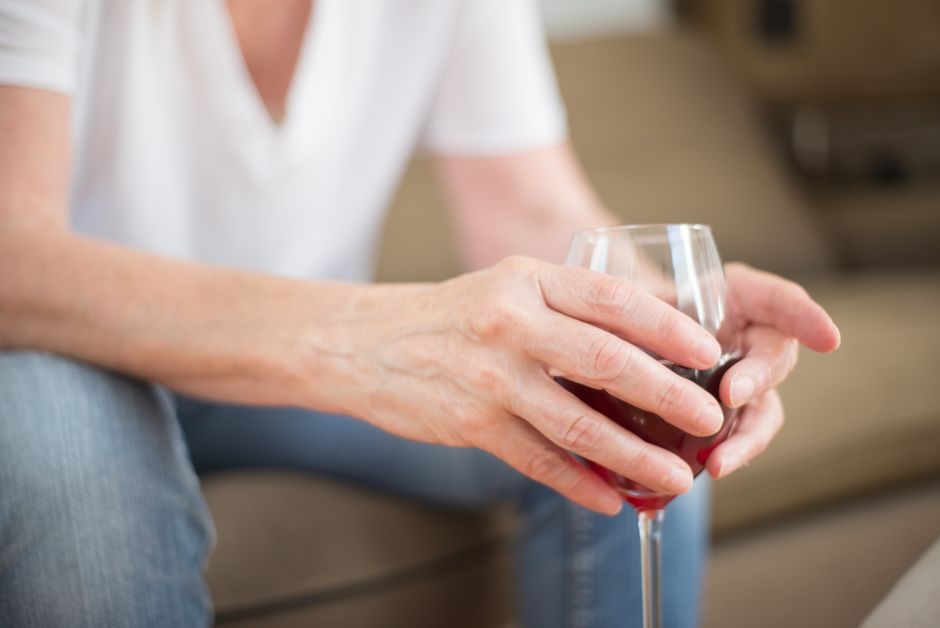
Alcohol damages the gut in two main ways: it weakens the physical barrier that lines your intestines, and it disrupts the community of bacteria living there. That combination lets bacterial fragments leak into the bloodstream, which triggers an immune response — and that response is inflammation. Healing involves stopping or sharply reducing alcohol, restoring the nutrients alcohol depletes, and giving the gut lining time to repair itself, which it is genuinely capable of doing.
What Is the Gut Barrier and Why Does It Matter?
Your intestinal lining is a single layer of cells, packed tightly together, roughly one cell thick. That is all that separates the contents of your gut from your bloodstream.
Between those cells are structures called tight junctions. Think of them as the mortar between bricks. They normally keep large molecules, bacterial fragments, and toxins inside the gut where they belong, while letting water and nutrients through.
This setup is often called “intestinal permeability.” When tight junctions loosen, permeability increases. That is the mechanism behind what people commonly call a “leaky gut.”
Increased intestinal permeability is a real, measurable phenomenon. It is documented in conditions including celiac disease, inflammatory bowel disease, and — relevant here — after significant alcohol consumption. Whether “leaky gut” as a popular wellness concept explains as much as it claims is a separate question. The underlying physiology, though, is well established.
How Alcohol Causes Gut Inflammation And How To Heal?
Alcohol loosens the tight junctions between intestinal cells, allowing bacterial components to cross into the bloodstream, where they activate immune cells and drive inflammation.
Here is the sequence in more detail.
When you drink, alcohol is absorbed mostly in the small intestine. It reaches the cells lining the gut directly, at concentrations higher than almost anywhere else in the body. Alcohol and its breakdown product, acetaldehyde, are both directly toxic to those cells.
That toxicity does several things at once:
- It disrupts the proteins that hold tight junctions together, so the barrier becomes more permeable.
- It damages the energy-producing mitochondria inside intestinal cells, which impairs their ability to maintain the barrier.
- It alters mucus production, thinning the protective layer that normally sits between bacteria and the gut lining.
- It changes the balance of gut bacteria, allowing some types to overgrow.
Once the barrier is compromised, a molecule called endotoxin (also known as lipopolysaccharide, or LPS) crosses into the blood. LPS is a fragment of the cell wall of certain gut bacteria. Your immune system recognizes it as a danger signal.
Immune cells respond by releasing inflammatory signaling molecules called cytokines. This is the same basic response your body mounts against an infection — except here there is no infection, just bacterial debris where it should not be. The result is low-grade, systemic inflammation that can persist as long as drinking continues.
This process is sometimes called “endotoxemia.” It is one of the better-documented mechanisms linking alcohol to inflammation, and it has been shown in controlled human studies where volunteers were given alcohol and their blood LPS levels measured.
Does Everyone Who Drinks Get Gut Inflammation?
No. The degree of gut disruption depends heavily on how much and how often a person drinks, and on individual factors.
Occasional, moderate drinking in a healthy person typically causes temporary, reversible changes. The gut lining recovers. Heavy or chronic drinking is a different situation — the damage accumulates faster than the body can repair it.
Several factors affect how much damage occurs:
- Amount and frequency. This is the biggest factor. Chronic heavy drinking does far more than an occasional drink.
- Drinking pattern. Binge drinking — large amounts in a short window — appears to be particularly hard on the gut barrier.
- Diet. A diet low in fiber and high in processed food is associated with a less diverse gut microbiome, which may reduce resilience.
- Existing gut conditions. People with inflammatory bowel disease, celiac disease, or irritable bowel syndrome may be more vulnerable.
- Medications. Regular use of certain pain relievers and acid-reducing drugs can affect the gut lining and bacterial balance independently.
It is worth being honest about what is not well established: there is no reliable way to predict exactly how much alcohol will cause measurable gut damage in any specific person. Individual variation is real, and the research does not support a clean threshold.


What Are the Signs Your Gut Is Affected?
The symptoms are often vague and easy to attribute to something else. That is part of why gut damage from alcohol frequently goes unrecognized.
Common signs include:
- Bloating and gas, especially after meals
- Loose stools or alternating constipation and diarrhea
- Abdominal discomfort or cramping
- Fatigue that does not improve with rest
- Food sensitivities that seem to develop over time
These symptoms are not specific to alcohol-related gut damage. They overlap with many other conditions, including irritable bowel syndrome, food intolerances, and infections. A symptom alone does not identify a cause.
More serious signs — blood in the stool, persistent vomiting, unintentional weight loss, or severe abdominal pain — warrant medical evaluation. These are not symptoms to manage at home.
Can the Gut Lining Actually Heal?
Yes. The intestinal lining has a high rate of cell turnover — it replaces itself continuously, roughly every few days. That makes it one of the more regenerative tissues in the body.
But regeneration requires removing the thing that is damaging it. If alcohol exposure continues, repair cannot keep pace with injury. This is the central point, and no supplement or dietary strategy substitutes for it.
When alcohol is reduced or stopped, several things tend to happen over time:
- Tight junctions begin to tighten again, reducing permeability.
- Inflammation markers in the blood tend to decline.
- The gut bacterial community gradually shifts back toward a more balanced state.
How quickly this happens varies. Some changes are measurable within days to weeks in research settings. Full restoration of a diverse, balanced microbiome can take considerably longer, and the evidence on exact timelines in humans is limited.
What Actually Helps the Gut Recover?
The single most effective step is reducing or stopping alcohol. Everything else supports that foundation.
Fiber. Gut bacteria ferment fiber into short-chain fatty acids, particularly butyrate, which is a primary fuel source for the cells lining the colon. Diets rich in fiber are consistently associated with a more diverse and resilient gut microbiome. Good sources include vegetables, fruit, legumes, and whole grains.
Fermented foods. Some research indicates that regular intake of fermented foods like yogurt, kefir, and sauerkraut is associated with greater microbiome diversity. The evidence is encouraging but not definitive, and effects vary between people.
Protein and key nutrients. Alcohol depletes several nutrients, including B vitamins, folate, and zinc. Zinc in particular plays a role in maintaining tight junction integrity. Correcting deficiencies matters more than adding supplements on top of an adequate diet.
Sleep. Alcohol disrupts sleep architecture, and poor sleep is independently associated with gut microbiome changes. This is a real and often overlooked factor.
Probiotics. Some strains have shown promise in reducing alcohol-related gut permeability in small studies. The evidence is preliminary. Probiotic effects are strain-specific, and no single product is established as a treatment for alcohol-related gut damage.
One clarification worth making: “healing the gut” is often marketed as though a specific supplement or cleanse does the work. In reality, the gut heals itself once the injury stops. The role of diet and lifestyle is to support that process, not to drive it.
When Should You See a Doctor?
See a doctor if you have persistent digestive symptoms, blood in your stool, unexplained weight loss, or if you are drinking heavily and finding it difficult to cut back.
Alcohol withdrawal can be medically dangerous. If you drink heavily and regularly, stopping abruptly without medical support can cause serious complications. This is not a situation to manage alone, and it is not a sign of weakness to ask for help.
If you have been diagnosed with a liver condition, inflammatory bowel disease, or another chronic gastrointestinal condition, alcohol’s effects on your gut are more significant, and your doctor’s guidance should take priority over general information like this.
Frequently Asked Questions
How long does it take for the gut to heal after stopping alcohol?
Some markers of gut permeability and inflammation improve within days to weeks of stopping, based on research studies. Full restoration of a diverse gut microbiome can take longer, and human data on exact timelines is limited.
Does moderate drinking cause gut inflammation?
Occasional moderate drinking typically causes temporary changes that the gut lining recovers from. Chronic or heavy drinking is where cumulative damage and persistent inflammation become a real concern.
Can probiotics heal alcohol-related gut damage?
Some small studies suggest certain probiotic strains may reduce alcohol-related gut permeability, but the evidence is preliminary. No probiotic is established as a treatment, and stopping alcohol remains the essential step.
What foods help repair the gut lining?
Fiber-rich foods support the bacteria that produce butyrate, a key fuel for gut lining cells. Fermented foods are associated with greater microbiome diversity, though evidence for direct repair effects is not definitive.
