
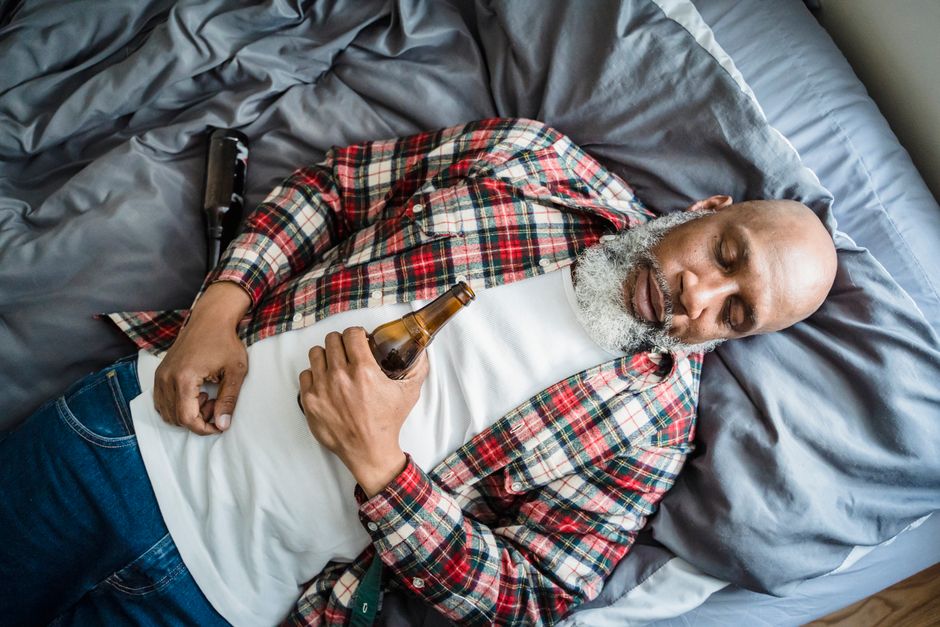
A drink before bed feels relaxing. It can help you fall asleep faster. But the sleep you get after alcohol is not the same as natural sleep. Alcohol changes your sleep architecture — the pattern of sleep stages your brain cycles through each night. It reduces the quality of your rest even when you sleep a full eight hours.
How Alcohol Affects Sleep
Alcohol is a central nervous system depressant. It slows brain activity. That is why it makes you drowsy and why many people use it as a nightcap.
But the initial sedation wears off as your body metabolizes the alcohol. As blood alcohol levels drop during the night, your brain becomes more alert. This causes sleep disruption in the second half of the night.
The result is a night of fragmented sleep. You may wake up briefly without remembering it. You may wake fully in the early morning hours and struggle to return to sleep.
What Happens to Your Sleep Stages
Normal sleep cycles through two main types: rapid eye movement (REM) sleep and non-REM sleep. Non-REM sleep has three stages, from light sleep to deep sleep.
Alcohol disrupts this cycle in specific ways. In the first half of the night, alcohol increases deep slow-wave sleep. This is why you feel heavily sedated initially.
But alcohol suppresses REM sleep. REM is the stage where most dreaming occurs and where emotional processing and memory consolidation happen. When alcohol is in your system, your brain spends less time in REM.
As the night progresses and alcohol is metabolized, a rebound effect occurs. Your brain tries to catch up on missed REM. This leads to vivid dreams, nightmares, and more frequent awakenings.
Studies have consistently found that alcohol reduces REM sleep and increases wakefulness during the night. Even moderate amounts — one or two standard drinks — can measurably reduce sleep quality.
Why Alcohol Worsens Snoring and Sleep Apnea
Alcohol relaxes the muscles in your throat. This includes the muscles that keep your airway open during sleep.
When these muscles relax, the airway narrows. This increases the likelihood of snoring. For people who do not normally snore, alcohol can trigger snoring for the night.
For people with obstructive sleep apnea, alcohol is more dangerous. Sleep apnea involves repeated pauses in breathing during sleep. Alcohol relaxes the airway further and raises the threshold for waking when breathing is interrupted.
This means apnea episodes last longer and oxygen levels drop lower. Research shows alcohol increases the severity of sleep apnea and can turn borderline cases into clinically significant ones.




Does Alcohol Help You Fall Asleep Faster
Yes, initially. Alcohol shortens sleep onset latency — the time it takes to fall asleep. This is why it feels effective as a sleep aid.
But this benefit disappears quickly. The sedative effect lasts only a few hours. Once the alcohol is metabolized, the sleep disruption begins.
The trade-off is clear: faster sleep onset in exchange for poorer sleep quality throughout the night. Most sleep specialists do not recommend alcohol as a sleep aid because the downsides outweigh the short-term benefit.
Alcohol also increases urine production. This is because it suppresses antidiuretic hormone, which normally tells your kidneys to conserve water. You may wake up needing to use the bathroom, further fragmenting your sleep.
How Much Alcohol Disrupts Sleep
The amount matters. Higher doses cause more disruption.
Heavy drinking — defined as more than three drinks in a day for women and more than four for men — significantly reduces total sleep time and sleep efficiency. It increases wakefulness throughout the night.
Moderate drinking — up to one drink daily for women and two for men — has a smaller but still measurable effect. Some research suggests even one drink can reduce REM sleep and increase nighttime awakenings.
Timing also matters. Drinking closer to bedtime causes more disruption than drinking earlier in the evening. The more time your body has to metabolize alcohol before sleep, the less it interferes with your sleep architecture.
A commonly cited recommendation is to stop drinking at least three hours before bed. This allows your body to process most of the alcohol before you lie down. However, individual metabolism varies, and some people need more time.
Alcohol and Circadian Rhythm
Your body has an internal clock that regulates sleep and wakefulness. This is your circadian rhythm. It responds to light and darkness and controls the release of hormones like melatonin.
Alcohol interferes with this system. Research indicates alcohol disrupts the normal production and timing of melatonin, the hormone that signals your body to prepare for sleep.
Alcohol also affects your core body temperature. Normally, your body temperature drops slightly before sleep and reaches its lowest point in the early morning. Alcohol interferes with this temperature regulation, which can affect sleep quality.
Regular alcohol use can shift your circadian rhythm. This makes it harder to wake up feeling rested and can contribute to a pattern of poor sleep even on nights when you do not drink.
Long-Term Effects on Sleep
Chronic alcohol use changes how your brain regulates sleep. Over time, your brain becomes tolerant to the sedative effects. You need more alcohol to feel drowsy.
This tolerance is not a good sign. It means your sleep architecture is persistently altered. People who drink heavily for years often experience chronic insomnia even when they stop drinking.
Studies show that people in recovery from alcohol use disorder have poor sleep quality for months or even years after they become sober. Their sleep architecture gradually improves, but it takes time.
This is one reason alcohol dependence is so difficult to break. The poor sleep that follows abstinence can drive people back to drinking.
Does Alcohol Interact With Sleep Medications
Yes, and the interaction is dangerous. Alcohol combined with sedative medications — including benzodiazepines, z-drugs like zolpidem, and over-the-counter sleep aids — can cause excessive sedation.
This combination can slow breathing dangerously. It can lead to overdose. It can cause memory loss and impaired motor function the next day.
Combining alcohol with other central nervous system depressants is never recommended. If you take any sleep medication, do not drink alcohol. The risks are well documented and serious.
What to Do Instead of Drinking Before Bed
If you use alcohol to fall asleep, consider other approaches. The goal is to find strategies that do not disrupt your sleep architecture.
Good sleep hygiene is the foundation. This includes a consistent sleep schedule, a cool dark bedroom, and avoiding screens before bed. These practices are well supported by evidence.
Other relaxation techniques can replace the sedative effect of alcohol. Progressive muscle relaxation, deep breathing exercises, and mindfulness meditation all have evidence supporting their use for sleep onset.
If you have persistent trouble sleeping, talk to a healthcare provider. Insomnia is a treatable condition. Cognitive behavioral therapy for insomnia (CBT-I) is the first-line treatment and has strong evidence of effectiveness without the risks of medication or alcohol.
Frequently Asked Questions
How long before bed should I stop drinking alcohol?
Stop drinking at least three hours before bed to allow your body to metabolize most of the alcohol. Individual metabolism varies, so longer gaps are safer.
Does one glass of wine affect sleep quality?
Even one standard drink can reduce REM sleep and increase nighttime awakenings. The effect is smaller than with heavier drinking but still measurable.
Why do I wake up at 3 AM after drinking?
As your blood alcohol level drops during the night, your brain becomes more alert and wakes you. This is a rebound effect from the initial sedation wearing off.
Can alcohol cause sleep apnea in someone who does not have it?
Alcohol relaxes the throat muscles and can trigger snoring or breathing pauses in people who do not normally have sleep apnea. It can also worsen existing sleep apnea significantly.
