
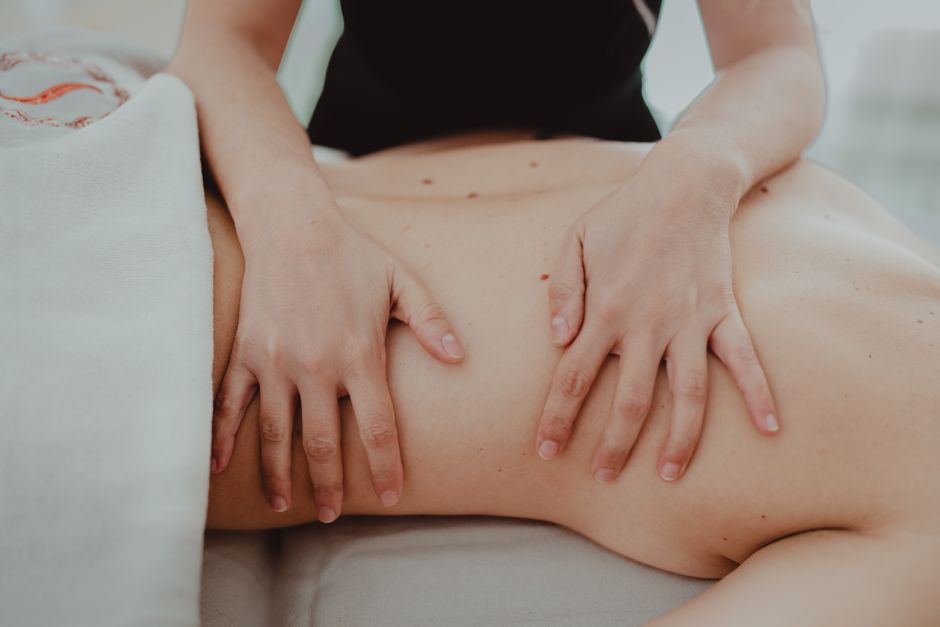
Upper back pain is common, but most causes are not serious and improve with simple changes. The area between your shoulder blades, known medically as the thoracic spine, is built for stability, not constant movement. When pain shows up here, it is usually from muscle strain, poor posture, or how you sit at work all day. Understanding what is actually happening in your body is the first step to getting relief.
What Causes Dolor En La Espalda Alta?
The most common cause of upper back pain is mechanical. That means the problem comes from how your body moves or holds itself, not from a disease. Research published in the Journal of Orthopaedic & Sports Physical Therapy found that up to 70% of thoracic spine pain cases are linked to muscle strain and poor posture.
Sitting for long hours is a major factor. When you lean forward to look at a computer screen, your head moves ahead of your shoulders. This shifts your center of gravity forward. Your upper back muscles have to contract harder to keep you upright. Over hours and days, these muscles fatigue and develop trigger points — small knots that hurt when pressed.
Other causes include carrying heavy bags on one shoulder, sleeping in awkward positions, and repetitive movements like reaching overhead. Less common causes include herniated discs in the upper spine, arthritis in the facet joints, and in rare cases, shingles or heart issues that refer pain to the upper back.
Does Dolor En La Espalda Alta Mean Something Serious?
In most cases, upper back pain is not a medical emergency. But there are clear signs that warrant a doctor visit. The American Academy of Orthopaedic Surgeons states that upper back pain accompanied by fever, unexplained weight loss, or loss of bladder or bowel control requires immediate medical attention.
Pain that follows a fall or car accident also needs evaluation. Fractures in the thoracic spine are less common than in the lower back but can happen with enough force. If you have a history of cancer, new upper back pain should be checked because the thoracic spine is a common site for metastases.
One specific red flag is pain that wraps around your ribcage. This can signal shingles, even before a rash appears. Another is pain that gets worse when you lie down and better when you sit up. This pattern can point to a condition called ankylosing spondylitis, an inflammatory arthritis that affects the spine.
What Actually Works for Dolor En La Espalda Alta?
Conservative treatments work best for mechanical upper back pain. The American College of Physicians recommends non-drug approaches as first-line treatment for acute and chronic back pain. That means starting with movement, not pills.
Gentle stretching is effective for muscle strain. A 2019 study in the International Journal of Environmental Research and Public Health found that 8 weeks of stretching and strengthening exercises reduced upper back pain by 40% in office workers. Simple moves like chin tucks, shoulder blade squeezes, and doorway chest stretches target the muscles most affected by poor posture.
Heat therapy can relax tight muscles. Use a heating pad for 15-20 minutes at a time. Cold packs help if there is swelling or if the pain came on suddenly after an injury. Over-the-counter pain relievers like ibuprofen or acetaminophen can provide short-term relief, but they do not fix the underlying cause.
Manual therapy from a physical therapist or chiropractor may help. A 2017 review in Spine found that spinal manipulation for thoracic pain had moderate evidence of effectiveness when combined with exercise. Manipulation alone showed less benefit.





How Does Posture Really Affect Upper Back Pain?
Posture is not about standing perfectly straight all the time. That is a myth. Your body is designed to move through many postures throughout the day. The problem is staying in one posture too long, especially a forward-leaning one.
When you sit with rounded shoulders and a forward head, the muscles between your shoulder blades lengthen and weaken. The muscles on your chest and front of your shoulders shorten and tighten. This imbalance creates a cycle of strain. The National Institutes of Health describes this as upper crossed syndrome, a pattern that is common in desk workers and smartphone users.
Fixing it does not require expensive chairs or gadgets. The most effective change is to break up prolonged sitting. Standing up every 30 minutes for 60 seconds resets your muscle activity. A 2021 study in Applied Ergonomics found that short frequent breaks reduced upper back discomfort more than ergonomic equipment alone.
| Treatment | What the Evidence Shows |
|---|---|
| Stretching and strengthening | Strong evidence for reducing pain in office workers |
| Heat therapy | Good for relaxing tight muscles short-term |
| Over-the-counter pain relievers | Moderate evidence for temporary relief |
| Spinal manipulation | Moderate evidence when combined with exercise |
| Massage therapy | Some evidence for short-term pain reduction |
| Acupuncture | Limited evidence specifically for upper back pain |
What Should You Avoid When You Have Upper Back Pain?
Avoid bed rest. This is one of the most important things to understand. The World Health Organization guidelines on low back pain apply to the upper back too — staying in bed for more than 24 hours weakens muscles and slows recovery. Gentle movement within your pain limits is better than complete rest.
Avoid relying on pain relievers as a long-term solution. Nonsteroidal anti-inflammatory drugs like ibuprofen can cause stomach problems and kidney issues when used regularly. A 2020 study in BMJ found that people who used NSAIDs for chronic back pain had no better outcomes than those who used exercise alone.
Avoid foam rolling directly on the spine. Foam rolling on the muscles next to the spine is fine. Rolling directly over the bony spinous processes can cause bruising or aggravate the joints. If you use a foam roller, stay on the muscle tissue, not the bone.
Avoid wearing a posture corrector brace all day. Some people report that these braces remind them to sit up straight. But wearing one constantly weakens the muscles that should be doing the work. A 2019 study in Journal of Physical Therapy Science found that posture braces provided no lasting improvement after 4 weeks of use.
Common Misconceptions About Upper Back Pain
One widespread myth is that cracking your upper back is dangerous. Self-cracking or getting your back adjusted by a friend is not recommended, but the occasional pop when you stretch is usually harmless. The sound comes from gas bubbles in the joints, not bones grinding. Frequent forced cracking can overstretch ligaments over time.
Another myth is that upper back pain always comes from a weak core. While core strength supports the whole spine, upper back pain is more often caused by weak scapular stabilizers — the muscles that hold your shoulder blades in place. Planks alone will not fix rounded shoulders. You need exercises that target the rhomboids, middle trapezius, and lower trapezius.
Some people believe that a firm mattress is always better for back pain. The truth is more individual. A 2015 study in The Lancet found that medium-firm mattresses improved back pain more than firm ones. The best mattress supports your spine in a neutral position without creating pressure points.
There is also a belief that upper back pain is just part of getting older. Age is a risk factor, but it is not inevitable. Many 60-year-olds with good posture and active lifestyles have no upper back pain. The CDC reports that regular physical activity reduces the risk of chronic back pain at any age.
Frequently Asked Questions
Can upper back pain be a sign of heart problems?
Rarely, but pain between the shoulder blades can be a symptom of a heart attack, especially in women. If the pain comes with shortness of breath, nausea, or chest pressure, call 911.
How long does upper back muscle strain usually last?
Most muscle strains improve within 2 to 4 weeks with gentle stretching and activity modification. If pain lasts longer than 6 weeks, see a healthcare provider.
Is it safe to exercise with upper back pain?
Yes, as long as you avoid movements that sharply increase pain. Walking, gentle stretching, and scapular strengthening exercises are generally safe and helpful.
Does sleeping position affect upper back pain?
Yes. Sleeping on your stomach forces your neck to twist and can strain upper back muscles. Side sleeping with a supportive pillow for your head and one between your knees is better alignment.
