
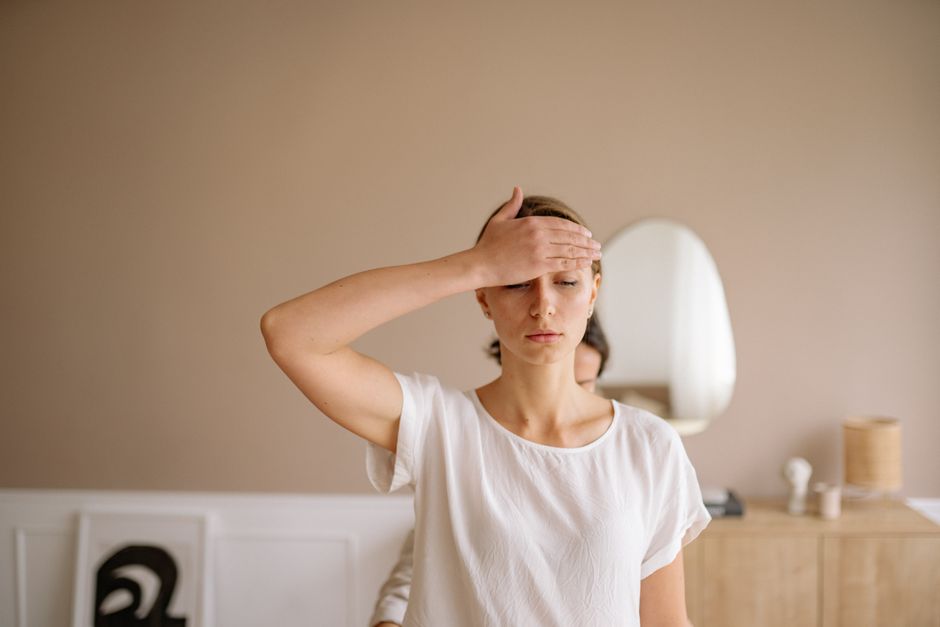
A headache at the back of the head, in the area called the nauca or nape, is common and usually not dangerous. Most cases come from tension in the muscles and joints of the neck and scalp, or from a migraine that settles in the back of the head. A small number of cases point to something that needs medical attention, which is why the location of the pain matters less than the pattern it follows.
Research does not support the idea that a headache in this spot has one single cause. The same location can come from several different conditions. What helps is looking at how the headache behaves: when it starts, how long it lasts, what makes it worse, and whether other symptoms come with it.
What Causes Dolor De Cabeza En La Nuca?
The most common cause is a tension-type headache. These are the everyday headaches most adults get from time to time. The pain is often described as pressing or tight, on both sides, and it can sit at the back of the head and spread toward the neck and shoulders. It is not usually throbbing, and routine physical activity does not make it much worse.
Muscles and joints in the upper neck are involved in many of these headaches. The joints between the upper vertebrae and the base of the skull share nerve connections with the back of the head. When those joints or the muscles around them are irritated, the brain can register pain in the back of the head even though the problem is in the neck. Clinicians call this referred pain.
Migraine is the second common source. Migraine is usually thought of as one-sided and in the front or temple, but it can settle at the back of the head, especially in some people. A migraine is typically throbbing, moderate to severe, and worse with movement. Nausea, light sensitivity, or sound sensitivity often come with it.
Other causes that clinicians consider include:
- Cervicogenic headache, where the pain clearly comes from a problem in the neck
- Occipital neuralgia, irritation of the nerves that run up the back of the head
- Medication overuse headache, from taking pain relievers too often
- Low-pressure or high-pressure headache related to spinal fluid
- Rarely, serious causes such as bleeding, infection, or a mass
The last group is uncommon. It is the reason certain warning signs matter, not a reason to fear every back-of-head headache.
How Is a Tension-Type Headache Different From a Migraine?
The two conditions feel different in ways that are usually clear once you know what to look for. Tension-type headache tends to be a steady pressure or tightness on both sides. Migraine tends to be throbbing, often on one side, and clearly worse when you move, bend over, or climb stairs.
Timing also separates them. A tension headache can build over the day and last from 30 minutes to several days. A migraine attack usually lasts hours and often comes with nausea or sensitivity to light and sound. Many people with migraine want to lie down in a dark room. People with a mild tension headache usually keep going.
This is not a perfect split. Some people have headaches that share features of both, and some migraines sit at the back of the head with little nausea. Doctors sometimes use the term “probable migraine” when features overlap. The distinction still matters because the treatments differ.
When Should a Headache at the Back of the Head Worry You?
Most back-of-head headaches are not emergencies. A small set of warning signs, sometimes called red flags, should prompt urgent medical care. These signs are well established in clinical practice and are used to decide who needs imaging or emergency evaluation.
Seek urgent care if a headache:
- Comes on suddenly and reaches maximum intensity within seconds to minutes, often described as a thunderclap headache
- Is the worst headache of your life
- Comes with fever, stiff neck, confusion, or a rash
- Follows a head injury
- Comes with weakness, numbness, trouble speaking, vision loss, or trouble walking
- Starts after age 50 for the first time
- Worsens steadily over days or weeks
- Is triggered by coughing, straining, or a change in posture
- Comes with a new seizure or fainting
A thunderclap headache can signal bleeding around the brain. Fever with a stiff neck can signal infection. These are uncommon, but they are time-sensitive, and the standard advice is to get evaluated right away rather than wait to see if it passes.





Can Neck Problems Really Cause Headaches?
Yes. The upper neck is a genuine source of headache for some people. The term cervicogenic headache describes pain that starts in the neck and is felt in the head. It is a recognized diagnosis, though it is less common than tension-type headache or migraine.
The features that point to a neck origin include pain that starts on one side of the neck and spreads to the back of the head, pain that is brought on by specific neck movements or sustained postures, and reduced range of motion in the neck. Pressing on certain points in the upper neck can reproduce the familiar pain.
This is where a common assumption needs correcting. Poor posture alone is often blamed for these headaches, but the evidence linking posture to headache is weaker than most people assume. Many people with forward head posture have no headaches, and many people with headaches have normal posture. Some studies suggest sustained positions and muscle strain contribute, but the relationship is not simple.
What does have support is that the neck joints and muscles can refer pain to the head. That mechanism is well described. Whether a specific posture causes it in a given person is a separate question that usually needs a clinical exam.
What Does the Evidence Say About Treatment?
Treatment depends on what is causing the headache. For occasional tension-type headaches, over-the-counter pain relievers such as acetaminophen or ibuprofen are commonly used and have evidence for short-term relief. The key caution is frequency. Taking pain relievers on many days per month can cause medication overuse headache, which makes headaches more frequent rather than less.
For migraine, treatment is different. Acute treatments include over-the-counter options and prescription drugs. Preventive treatment is used when attacks are frequent or disabling. Which option fits depends on the person, other health conditions, and how often attacks occur. This is a conversation with a clinician, not something to decide from a general article.
For cervicogenic headache, some evidence supports physical therapy and targeted exercises for the neck. The quality of that evidence varies across studies, and results are not uniform. Some clinicians recommend manual therapy, and some research suggests benefit, but the evidence is not strong enough to present it as a sure thing for everyone.
For all headache types, regular sleep, steady meals, hydration, and managing stress are widely recommended. These are reasonable general measures. The evidence that any single lifestyle change reliably prevents headaches is limited, and response varies from person to person.
Do Imaging Tests Help?
For most people with a stable, recurring headache and a normal neurological exam, brain imaging is not recommended. Clinical guidelines generally advise against routine scans in this situation because the chance of finding a serious cause is low, and scans can turn up incidental findings that cause worry without helping.
Imaging is more likely to be considered when red flags are present, when the headache pattern changes, or when the neurological exam is abnormal. The decision is made by a clinician based on the whole picture, not on the location of the pain alone.
What Can You Do Before Seeing a Doctor?
Keeping a simple headache diary is one of the most useful things you can do. Note when each headache starts, how long it lasts, where the pain sits, what you were doing beforehand, and what you took for it. Patterns often become clear within a few weeks, and that record helps a clinician make a more accurate diagnosis.
If headaches are mild and occasional, rest, hydration, and a regular routine are reasonable first steps. If they are frequent, worsening, or come with any red flag, see a clinician. The goal is not to self-diagnose but to know when the pattern calls for professional input.
Frequently Asked Questions
Is a headache at the back of the head serious?
Most are not serious and come from tension, migraine, or the neck. A sudden severe headache, one with fever or a stiff neck, or one with weakness or confusion needs urgent care.
What does a headache in the nape of the neck usually mean?
It most often points to a tension-type headache or a migraine that settles at the back of the head. Neck-related headache is also possible, especially when neck movement triggers the pain.
Can poor posture cause headaches at the back of the head?
The link is weaker than commonly assumed, and many people with poor posture have no headaches. Neck joints and muscles can refer pain to the head, but posture alone does not reliably explain it.
When should I see a doctor for a back-of-head headache?
See a doctor if headaches are frequent, worsening, or new after age 50, or if any red flag appears. A sudden worst-ever headache or one with fever, stiff neck, or neurological symptoms needs emergency care.
