
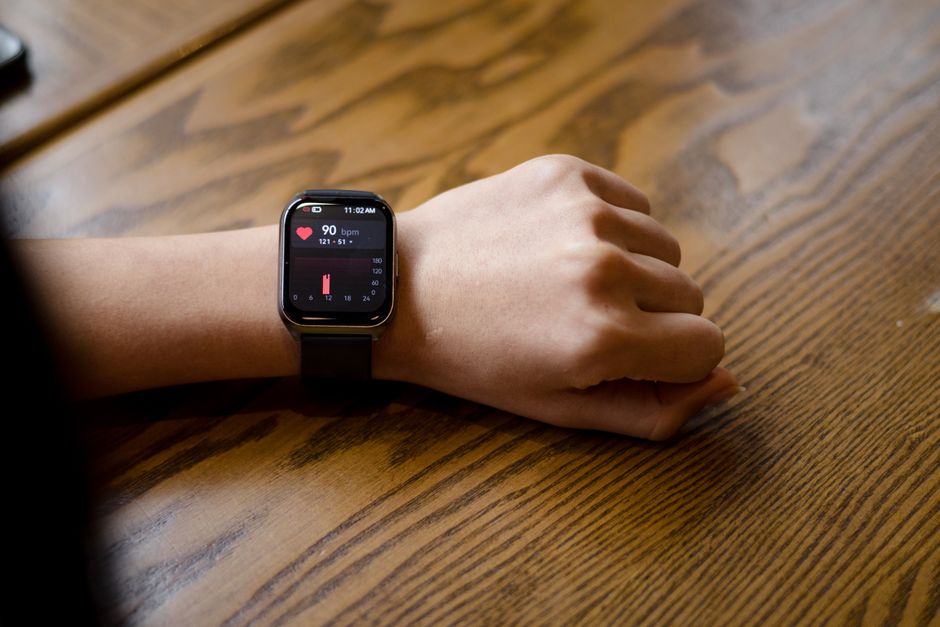
Yes, anxiety can make your heart rate increase. When your brain senses a threat — real or imagined — it releases hormones that speed up your heart. This is a normal stress response, not a sign that something is wrong with your heart. But understanding why it happens, and when to get help, matters more than most people realize.
Here is the short version. Anxiety triggers your body’s fight-or-flight system. Your heart beats faster to move blood to your muscles. Your breathing speeds up. This is a healthy response to danger. The problem starts when it fires with no danger present.
Why Does Your Heart Rate Increase with Anxiety?
The mechanism is well established. When you feel anxious, your brain signals your adrenal glands to release adrenaline and cortisol. These hormones tell your heart to beat faster and harder.
This is the same system that helped your ancestors run from predators. It is designed to keep you alive. When it fires, your heart rate can climb well above your resting rate within seconds.
Your resting heart rate normally sits between 60 and 100 beats per minute. During a surge of anxiety, it can rise sharply. Some people feel it as a racing pulse in their chest or neck. Others notice it as a pounding sensation or a fluttering feeling.
One thing many people do not know: the sensation of a racing heart can itself trigger more anxiety. This creates a feedback loop. You feel your heart speed up, you worry about it, and the worry makes it speed up further. Breaking that loop is often the first step toward feeling calmer.
What Does Anxiety-Related Heart Rate Feel Like?
The physical signs are often unmistakable. People describe a sudden pounding in the chest, a fluttering feeling, or a pulse that feels too fast or too strong. Some feel it in their throat or ears.
Common sensations include:
- A racing or pounding heartbeat
- Shortness of breath or feeling like you cannot get enough air
- Chest tightness or discomfort
- Dizziness or lightheadedness
- Sweating and trembling
- A feeling of doom or losing control
These symptoms overlap heavily with other conditions. That overlap is why anxiety-related heart symptoms are sometimes mistaken for a heart problem — and, less often, the reverse. A doctor can help sort out which is which.
The timing often gives a clue. Anxiety-driven heart rate spikes tend to come on quickly and settle down once the stressful moment passes. They are frequently linked to a specific trigger, even if that trigger is a thought rather than an event.
Is a Fast Heart Rate from Anxiety Dangerous?
In most healthy people, a fast heart rate from anxiety is not dangerous. The heart is doing what it was built to do. Short bursts of a raised heart rate during stress are not the same as a sustained abnormal rhythm.
That said, this is where caution matters. Anxiety and heart conditions can produce similar symptoms, and one does not rule out the other. Having anxiety does not mean every chest symptom is “just stress.”
Seek medical care promptly if you have:
- Chest pain or pressure, especially spreading to the arm, jaw, or back
- Fainting or near-fainting
- Shortness of breath at rest
- A heart rate that stays very high or feels irregular for no clear reason
- Heart symptoms that are new to you
These signs can point to a heart problem and should be checked by a doctor. Do not assume anxiety explains them.
For people with an existing heart condition, anxiety that raises heart rate deserves a conversation with a clinician. The general stress response is normal, but how much strain a specific heart can safely handle varies from person to person. That is a judgment for a doctor who knows your history.




How Can You Tell Anxiety Apart from a Heart Problem?
You often cannot tell on your own with certainty. That is an honest and important point. The symptoms overlap too much to self-diagnose reliably.
Some patterns lean toward anxiety. A racing heart that comes with a clear stress trigger, peaks quickly, and eases within minutes is more consistent with a stress response. So is a fast heart rate that shows up alongside worry, restlessness, or a sense of dread.
Patterns that lean toward a heart issue include symptoms during physical exertion, symptoms that wake you from sleep, a pulse that feels irregular rather than just fast, or a history of heart disease. None of these is definitive on its own.
A doctor may use an electrocardiogram (ECG), a heart monitor worn over time, or blood tests to look at heart function. These tests can distinguish a normal stress response from an abnormal rhythm. If you are unsure, testing is the reliable way to know.
Can Anxiety Cause a Permanently High Heart Rate?
Anxiety can keep heart rate elevated for longer stretches in people with ongoing anxiety, but “permanently high” is not an accurate way to think about it. The body’s stress system is designed to switch on and off.
In chronic anxiety, the switch may stay partly on. Some people with long-term anxiety notice a resting heart rate that runs higher than it used to. Others do not. The evidence on how much chronic anxiety shifts baseline heart rate over years is mixed, and individual differences are large.
What is clearer is that ongoing anxiety affects the body in ways beyond heart rate. It can disturb sleep, raise blood pressure during stressful moments, and affect digestion. These are reasons to address anxiety as a health issue in its own right, not just a mental one.
What Helps Calm a Racing Heart from Anxiety?
Slow breathing is the most reliable in-the-moment tool. Breathing out longer than you breathe in tends to activate the part of your nervous system that calms the body. This is a well-established physiological response, not a trick.
Try breathing in through your nose for a slow count, then out through your mouth for a longer count. Repeat for a minute or two. Many people find their heart rate begins to settle within that window.
Other approaches that can help over time include:
- Regular physical activity, which supports heart and mental health
- Limiting caffeine and alcohol, which can raise heart rate and worsen anxiety
- Getting enough sleep
- Grounding techniques that shift attention away from the heartbeat
- Talk therapy, such as cognitive behavioral therapy, for ongoing anxiety
For persistent anxiety, professional support matters. Therapy and, in some cases, medication prescribed by a clinician can reduce how often the stress response fires. These are decisions to make with a doctor or mental health professional who knows your situation.
Be careful with the idea that you can simply “think your way out” of a racing heart every time. Sometimes the body needs time to settle, and that is normal. Trying to force calm can backfire by adding pressure.
When Should You Talk to a Doctor?
Talk to a doctor if heart symptoms are new, frightening, or getting in the way of daily life. That includes a racing heart that happens often, wakes you up, or comes with chest pain or fainting.
Also seek help if anxiety itself feels hard to manage. Feeling constantly on edge, avoiding situations because of your heart, or worrying about your heart much of the time are signs worth discussing with a professional.
You do not need to have a crisis to ask for help. A routine conversation with a doctor can rule out heart problems and point you toward support for anxiety. Both matter, and neither should be brushed aside.
Frequently Asked Questions
Does your heart rate increase with anxiety?
Yes, anxiety commonly raises heart rate through the body’s fight-or-flight response. This is a normal stress reaction, not automatically a sign of a heart problem.
How high can your heart rate go during anxiety?
It varies widely between people and situations, and there is no single number that applies to everyone. A noticeable jump above your normal resting rate is typical during a surge of anxiety.
Can anxiety cause a heart attack?
Anxiety itself is not known to cause a heart attack in healthy people. However, anxiety and heart conditions can produce similar symptoms, so new or severe chest symptoms should be checked by a doctor.
How do I stop my heart from racing from anxiety?
Slow breathing with a longer exhale often helps calm the heart within a minute or two. If racing heart happens often, talk to a doctor or mental health professional about ongoing anxiety.
