
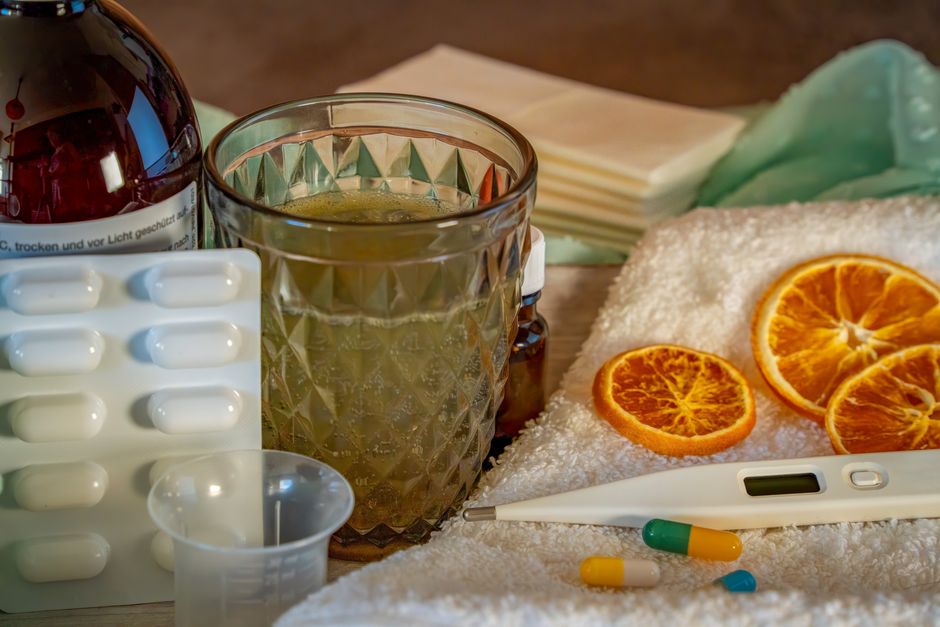
A sore throat makes every swallow hurt. You may have heard that a warm whiskey drink, like hot toddy, can ease the pain. The short answer is that whiskey can numb the throat briefly, but it does not treat the infection or speed up healing. The alcohol in whiskey is a mild numbing agent, so it can temporarily dull the pain. That relief is short-lived and comes with real downsides, including dehydration, which can make a sore throat worse over time.
Why Whiskey Might Feel Like It Helps
Whiskey contains ethanol, a type of alcohol that can numb tissue it touches. When you swallow a small amount, it can temporarily reduce the pain signals from an irritated throat. This is why many people feel quick relief after a sip of a hot toddy.
The warm liquid in a toddy also plays a role. Warm fluids can soothe throat tissues and help loosen mucus. Honey, often added to these drinks, has some evidence of calming coughs and throat irritation. The combination of warmth and honey may provide more relief than the whiskey itself.
But the numbing effect is brief. It fades as the alcohol is diluted by saliva and cleared from the throat. You would need repeated sips to keep the numbness going, and that leads to other problems.
What Research Says About Alcohol and Sore Throats
No clinical studies have confirmed that whiskey treats a sore throat. The evidence for any benefit is anecdotal, meaning it is based on personal stories rather than controlled research. No large human trials have tested whiskey as a remedy for throat pain.
What research does show is that alcohol irritates mucous membranes. The same tissues that line your throat are sensitive to alcohol. In higher amounts, alcohol can cause inflammation and redness in the throat lining. This is why heavy drinking can leave you with a scratchy voice or a raw feeling in the throat the next day.
Alcohol is also a diuretic. It makes your body lose more fluid through urine. A sore throat already benefits from staying well hydrated. Drinking alcohol works against that by pulling fluid out of your system. Dry throat tissues are more painful and slower to heal.
The Role of Honey and Warm Liquids
If you are going to drink a hot toddy, the honey and warm water are likely doing most of the helpful work. Honey has been studied more than whiskey for cough and throat symptoms. Some research suggests honey can calm nighttime coughs and soothe irritated throats, especially in children over one year old.
Warm liquids, whether tea, broth, or water with lemon, help keep throat tissues moist. Moisture reduces the friction that makes swallowing painful. Warmth can also feel soothing on raw, inflamed tissue.
None of this requires alcohol. A warm drink with honey and lemon delivers the same comfort without the dehydrating and irritating effects of whiskey.





Risks of Using Whiskey for a Sore Throat
Drinking whiskey when you are sick carries several risks. Alcohol weakens the immune system’s ability to fight infection, at least temporarily. Some studies show that heavy alcohol consumption impairs immune function, though the effect of a single drink is less clear.
Alcohol can interact with medications. Many cold and flu remedies contain ingredients that do not mix safely with alcohol, including some pain relievers, decongestants, and cough syrups. Acetaminophen, the active ingredient in Tylenol, can cause liver damage when combined with alcohol.
Alcohol also impairs judgment and sleep quality. Sleep is essential for recovering from any illness. Even one drink can disrupt sleep patterns, especially later in the night.
Is a Hot Toddy Ever a Good Idea?
For a healthy adult with a mild sore throat, an occasional hot toddy is unlikely to cause serious harm. The key word is occasional. One small drink may provide temporary comfort. It is not a treatment, and it should not replace fluids, rest, or medical care when needed.
Certain people should avoid alcohol entirely when sick. This includes anyone taking medications that interact with alcohol, people with liver disease, those with a history of alcohol use disorder, and anyone who is pregnant or trying to become pregnant. People with weakened immune systems should also avoid alcohol while fighting an infection.
If you choose to have a hot toddy, keep it modest. One serving of whiskey is about 1.5 ounces. Warm water, honey, and lemon can make up the rest of the drink. Sip it slowly. Stop if it irritates your throat further.
What Actually Works for a Sore Throat
Several remedies have stronger evidence behind them than whiskey. Saltwater gargles are a simple, well-established option. Gargling with warm salt water can help draw fluid out of swollen throat tissues and may reduce pain.
Over-the-counter lozenges and sprays can numb the throat with ingredients like benzocaine or menthol. These are designed for throat pain and have been tested for that purpose. They deliver numbing directly to the area without the side effects of alcohol.
Staying hydrated is one of the most important things you can do. Water, warm tea, broth, and other clear fluids keep the throat moist and help thin mucus. A cool-mist humidifier in your bedroom can also add moisture to the air and reduce throat dryness overnight.
Rest gives your immune system the energy it needs to fight the infection. Most sore throats are caused by viruses and resolve on their own within a week. Pain relievers like ibuprofen or acetaminophen can reduce throat pain and fever, but check with a pharmacist or doctor about interactions with anything else you are taking.
When to See a Doctor
Most sore throats are not serious, but some need medical attention. See a doctor if you have a sore throat that lasts more than a week, a fever above 101 degrees Fahrenheit, difficulty swallowing or breathing, or visible white patches on your tonsils.
Strep throat is a bacterial infection that requires antibiotics. It typically causes severe throat pain, fever, and swollen lymph nodes, but it often does not cause a cough. A rapid strep test at a doctor’s office can confirm it. Antibiotics do not help viral sore throats, which is why they are not prescribed unless a bacterial infection is confirmed.
If your sore throat comes with a stiff neck, a rash, or blood in your saliva or phlegm, seek medical care promptly. These can be signs of more serious conditions that need evaluation.
Does Whiskey Help With Sore Throat More Than Other Remedies?
No evidence shows that whiskey works better than standard sore throat remedies. Saltwater gargles, lozenges, warm fluids, and pain relievers all have more research behind them. Whiskey offers temporary numbing at best, and it brings side effects that other remedies do not have.
If you are looking for quick comfort, a warm drink with honey and lemon is a safer choice. If you need more pain relief, an over-the-counter lozenge or spray is designed for that purpose. If pain is severe or persistent, see a doctor rather than reaching for the bottle.
Whiskey is not a cure. It is not a treatment. At best, it is a traditional home remedy with a brief numbing effect and a pleasant warmth. For most people, there are better options.
Frequently Asked Questions
Can whiskey kill the bacteria causing my sore throat?
No. The alcohol concentration in a drink is far too low to kill bacteria in your throat. Most sore throats are viral anyway, and antibiotics, not alcohol, are needed for bacterial infections.
Is a hot toddy safe for a sore throat?
For a healthy adult, one small hot toddy is unlikely to cause harm, but it is not a treatment. Avoid it if you take medications that interact with alcohol or have health conditions that make alcohol risky.
What is the fastest way to soothe a sore throat?
Warm saltwater gargles, throat lozenges with numbing ingredients, and warm fluids with honey are all fast-acting options. Staying hydrated and resting also help your body recover.
Does whiskey help with sore throat pain better than honey?
No. Honey has more research supporting its use for cough and throat irritation, and it does not carry the dehydrating or irritating effects of alcohol. Warm liquid with honey is a safer choice.
