
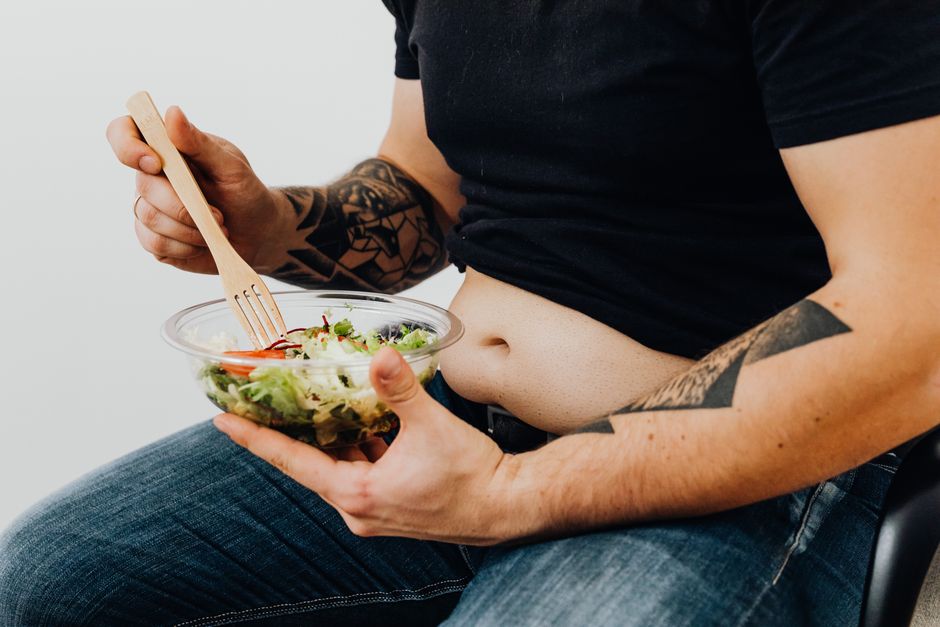
Whiskey does not directly cause belly fat, but the way your body processes alcohol makes it harder to lose fat around your midsection. The real reason whiskey is linked to belly fat comes down to calories, how your liver prioritizes alcohol over fat burning, and the poor food choices people often make while drinking. No single food or drink creates fat in one specific spot, but whiskey can contribute to overall weight gain that tends to settle in the belly area.
Does Whiskey Cause Belly Fat Directly?
No, whiskey does not target belly fat specifically. Spot reduction is a myth. Your body loses fat from everywhere at once, not from one area you choose. Drinking whiskey adds calories to your day. If those extra calories push you over your energy needs, you gain weight. Where that weight goes depends on genetics, hormones, and age.
Men tend to store extra fat in the belly first. Women store it in the hips and thighs until menopause, then belly fat becomes more common. This is why many people notice their waistline growing when they drink regularly. The whiskey is not attacking their stomach directly. It is just adding calories that their body stores in the most convenient place.
A standard 1.5-ounce shot of whiskey has about 97 calories. That is not huge on its own. But a typical night out might include two or three drinks. That is 300 extra calories before you account for mixers or snacks. Over a week, those calories add up to real weight gain.
How Does Alcohol Affect Fat Burning?
When you drink whiskey, your liver treats alcohol as a toxin that needs immediate processing. Everything else pauses, including fat burning. Research published in the American Journal of Clinical Nutrition found that a single dose of alcohol can reduce fat oxidation by up to 73 percent for several hours after drinking.
Fat oxidation is just a fancy term for your body using stored fat as fuel. When that process slows down, the fat stays put. Meanwhile, the calories from the whiskey itself are still there. Your body burns those alcohol calories first, then goes back to burning fat only after the alcohol is cleared. If you drink in the evening, you have essentially paused fat burning for the rest of the night.
This effect is temporary. Your fat burning returns to normal once the alcohol is metabolized. But if you drink daily or even several times a week, those hours of paused fat burning add up. Over months, this can make a real difference in how much body fat you carry.
What About Calories in Whiskey Compared to Other Drinks?
Whiskey is lower in calories than many other alcoholic drinks. A shot of whiskey has about 97 calories. A 12-ounce beer has roughly 150 calories. A glass of wine has about 125 calories. Mixed drinks are the real problem. A rum and Coke can hit 180 calories. A margarita can exceed 300 calories. Whiskey neat or on the rocks is one of the smarter choices if you are watching your weight.
| Drink | Standard Serving | Approximate Calories |
|---|---|---|
| Whiskey (neat) | 1.5 oz | 97 |
| Light beer | 12 oz | 103 |
| Regular beer | 12 oz | 150 |
| Red wine | 5 oz | 125 |
| Margarita | 8 oz | 280-450 |
| Rum and Coke | 8 oz | 180 |
The calories in whiskey are empty calories. They provide no nutrients, no protein, no fiber. They are pure energy that your body stores if not burned off. This is different from food calories that come with vitamins, minerals, or protein that supports muscle maintenance.
One hidden factor is that alcohol can stimulate appetite. A study in the journal Appetite found that alcohol consumption increased food intake during a meal by about 11 percent. You may eat more while drinking without realizing it. Those extra calories from food also contribute to belly fat.




Does Whiskey Affect Hormones That Control Belly Fat?
Alcohol influences several hormones that play a role in fat storage. Cortisol is the main one. Cortisol is a stress hormone, and chronic alcohol use can raise cortisol levels. Higher cortisol is linked to increased abdominal fat storage. This is not unique to whiskey. Any alcohol in excess can do this.
Testosterone is another factor. Alcohol can lower testosterone in men. Lower testosterone is associated with higher body fat and less muscle mass. Muscle burns more calories at rest than fat does. Less muscle means a slower metabolism, which makes it easier to gain fat overall, including in the belly area.
Some people report that whiskey specifically causes bloating or a swollen feeling in the stomach. This is usually from the alcohol irritating the digestive tract, not from fat. Bloating is temporary and goes away once the alcohol leaves your system. It is not the same as belly fat, but it can make your stomach look larger in the short term.
The CDC reports that moderate drinking is defined as up to one drink per day for women and up to two drinks per day for men. Staying within these limits is unlikely to cause significant hormone disruption for most people. Going beyond them regularly is where the hormonal effects become more noticeable.
What Does the Research on Whiskey and Weight Gain Show?
Research published in the European Journal of Clinical Nutrition found that moderate alcohol consumption was not strongly linked to weight gain in women. However, heavier drinking was consistently associated with weight gain and increased waist circumference in both men and women. The key factor was total alcohol intake, not the type of alcohol.
Some studies suggest that beer is more strongly linked to belly fat than spirits like whiskey. This may be because beer drinkers tend to drink more total alcohol and consume more calories overall. A study in the journal Obesity Reviews found that beer consumption was associated with increased waist circumference, while spirits showed a weaker association. But the difference was small and may be due to drinking patterns rather than the drink itself.
One common claim is that whiskey has no carbs and therefore cannot cause fat gain. This is misleading. Whiskey has no carbs, but it still has calories. Calories from alcohol can be stored as fat just like calories from carbs or fat. Your body does not distinguish where the energy came from when deciding whether to store it.
Another claim is that whiskey speeds up metabolism. This is not supported by evidence. Alcohol may cause a slight temporary increase in metabolic rate due to the energy required to process it, but this effect is small and does not offset the calories consumed. The net effect is that alcohol contributes to a calorie surplus, not a deficit.
Common Misconceptions About Whiskey and Belly Fat
Many people believe that whiskey causes a specific type of belly fat called a whiskey gut. This is not a real medical term. The belly fat that develops from drinking alcohol is the same visceral fat that comes from any calorie surplus. Visceral fat is the deep fat around your organs that is most harmful to health. It accumulates when you consistently eat or drink more calories than you burn.
Another misconception is that switching from beer to whiskey will automatically help you lose belly fat. Whiskey has fewer calories per ounce than beer, so switching can help reduce total calorie intake. But if you drink more whiskey to compensate, or if you add high-calorie mixers, you may not see any change. The total calories matter more than the source.
Some people think that whiskey is a fat burner because it is a diuretic. Alcohol does make you urinate more, but this only causes temporary water loss. It does not burn fat. The weight loss you see on the scale after a night of drinking is mostly water weight, which returns once you rehydrate. This is not real fat loss.
A final misconception is that drinking whiskey before bed helps you sleep better and therefore helps with weight control. Alcohol disrupts sleep quality, especially REM sleep. Poor sleep is linked to higher cortisol, increased appetite, and slower metabolism. Drinking for sleep may actually make weight management harder.
Frequently Asked Questions
Can drinking whiskey once a week cause belly fat?
One drink per week is unlikely to cause noticeable belly fat if your overall diet and activity levels are balanced.
Is whiskey or beer worse for belly fat?
Beer typically has more calories per serving, so it contributes more to overall weight gain, but both can cause belly fat if consumed in excess.
Does whiskey cause bloating in the stomach?
Whiskey can cause temporary bloating due to digestive irritation, but this is not the same as fat gain.
How much whiskey can I drink without gaining belly fat?
Staying within moderate drinking guidelines of one drink per day for women and two for men is unlikely to cause significant weight gain for most people.
