
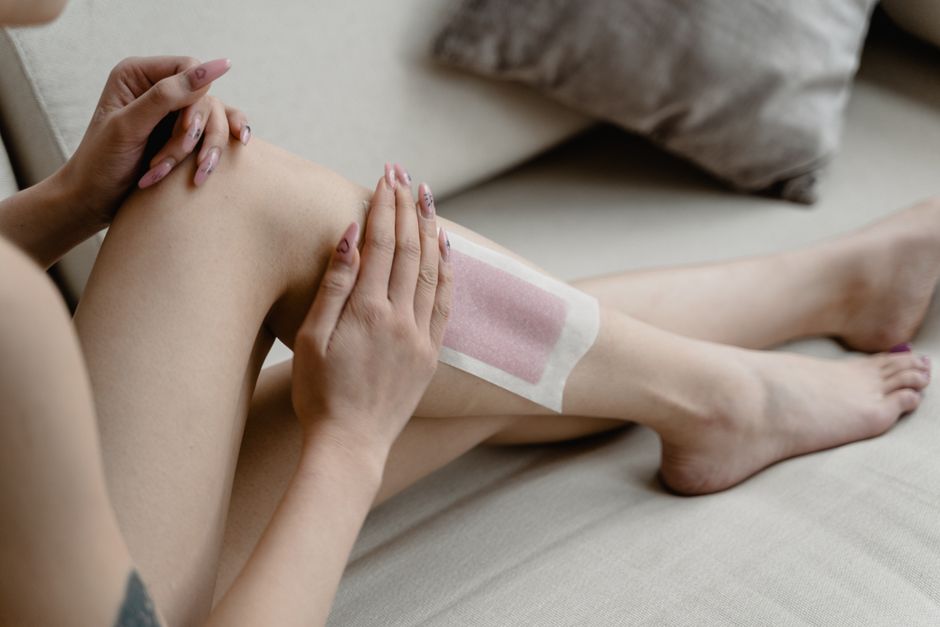
Waxing can cause ingrown hairs, and it is one of the most common side effects of the method. When hair is pulled out at the root, the new hair growing back can curl and re-enter the skin instead of pushing up through the surface. This is not a sign you did something wrong. It is a predictable result of how hair regrows after it has been removed below the surface.
Understanding why it happens — and what actually reduces the risk — makes a real difference. Some people are far more prone to them than others, and some waxing habits make the problem much worse.
Does Waxing Cause Ingrown Hairs?
Yes. Waxing removes hair from the root, and that process is directly linked to ingrown hairs. The medical term for this is pseudofolliculitis. It is not an infection. It is an inflammatory reaction to hair that has curled back into the skin.
Here is the mechanism. When a hair is pulled out by the root, the follicle is left empty. As the new hair grows, it has to find its way back out through the skin opening. Sometimes it does not. The hair curls sideways or backward and grows into the surrounding skin. The body treats that hair as a foreign object and responds with redness, swelling, and sometimes a small bump that looks like a pimple.
Waxing is not the only method that causes this. Shaving, plucking, and epilating can all do it. Shaving is actually associated with a slightly different pattern, because it cuts hair at the surface and leaves a sharp, angled tip that can pierce the skin as it grows. Waxing removes the whole hair, so the regrowth starts from deeper down.
Whether you get ingrown hairs depends on several things: your hair texture, how curly it is, your skin type, and how you wax. People with coarse, curly hair tend to get them more often. So do people who wax frequently without letting the skin recover.
Why Do Some People Get Ingrown Hairs More Than Others?
Hair curl pattern is the biggest factor. Curly and tightly coiled hair has a natural tendency to bend back on itself as it grows. Straight hair tends to grow straight out and is less likely to re-enter the skin.
Skin thickness matters too. Thicker, tougher skin can make it harder for a new hair to break through the surface. Areas with thinner skin, like the bikini line and underarms, often show more irritation.
Other factors that raise your risk:
- Waxing over skin that is already irritated or inflamed
- Pulling hair in the wrong direction during waxing
- Waxing too frequently without letting the skin heal
- Wearing tight clothing right after waxing, which traps sweat and friction
- Not exfoliating the area between waxes
- Having a history of ingrown hairs from other hair removal methods
Hormonal changes can also play a role. Androgens, the hormones that influence hair growth, can make hair coarser and change its growth pattern. This is one reason ingrown hairs can become more of a problem at certain life stages.
What Does an Ingrown Hair Actually Look Like?
An ingrown hair usually appears as a small, raised bump near a hair follicle. It may be red, tender, and filled with pus, which makes it look very much like a pimple. Sometimes you can see a dark line or loop under the skin where the hair has curled.
Most ingrown hairs are harmless and clear up on their own within days to a few weeks. The bump fades as the hair either works its way out or is absorbed.
Some signs suggest it is worth seeing a doctor:
- The area becomes increasingly painful or swollen
- Redness spreads beyond the original bump
- You develop a fever
- Bumps keep coming back in the same spot despite care
- The skin becomes dark and thickened over time
Repeated ingrown hairs in the same area can lead to a condition called post-inflammatory hyperpigmentation, where the skin darkens after the inflammation fades. This is more common in people with darker skin tones. It is not dangerous, but it can be persistent.
In rare cases, an ingrown hair can become infected. This is more likely if you pick or squeeze at it. The bacteria that normally live on the skin can enter through the broken surface and cause a small skin infection. This is one reason doctors generally advise against squeezing ingrown hairs the way you might squeeze a pimple.




How Can You Reduce the Risk of Ingrown Hairs From Waxing?
You cannot eliminate the risk entirely, because it comes down to how your hair regrows. But several habits can lower how often it happens.
Exfoliate gently between waxes. Using a soft washcloth or a gentle exfoliating product a few times a week can help remove dead skin cells that trap hairs at the surface. Do not scrub hard. Aggressive exfoliation irritates the skin and can make things worse.
Keep the skin moisturized. Dry, flaky skin makes it harder for new hairs to push through. A light, non-comedogenic moisturizer helps keep the surface smooth.
Wax in the direction of hair growth. This is standard practice for a reason. Pulling against the grain can snap hairs and leave fragments behind, which are more likely to grow inward.
Do not wax over irritated skin. If the area is already red, bumpy, or inflamed, waxing will make it worse. Wait until the skin has calmed down.
Avoid tight clothing right after waxing. Friction and trapped sweat create the kind of environment where ingrown hairs are more likely to form.
Give your skin a break. Waxing every few weeks is typical, but if you are getting frequent ingrown hairs, spacing out your appointments may help. There is no single recommended interval that works for everyone. It depends on how fast your hair grows and how your skin responds.
Some clinicians recommend chemical exfoliants containing alpha-hydroxy acids or beta-hydroxy acids to help prevent ingrown hairs. The evidence for this is not strong. Some people find them helpful. Others find they irritate the skin. If you try one, start with a low concentration and see how your skin reacts.
Does Shaving Cause Fewer Ingrown Hairs Than Waxing?
Not necessarily. Shaving and waxing cause ingrown hairs in different ways, and neither is clearly better for everyone.
Shaving cuts hair at the surface. The remaining hair has a sharp, flat tip that can pierce the skin as it grows. This is a common cause of ingrown hairs, especially in people with curly hair.
Waxing removes the hair from the root. The new hair starts from deeper down and has to travel further to reach the surface. If it curls along the way, it can grow inward.
Which method causes fewer ingrown hairs depends on your hair type and how you use each method. Some people do better with waxing. Others do better with shaving. There is no universal answer.
Other options include depilatory creams, which dissolve hair at the surface, and laser hair removal, which damages the follicle and can reduce hair growth over time. Laser hair removal is the only method that can lead to lasting hair reduction, though it does not work equally well for all hair and skin color combinations. It also does not guarantee you will never get an ingrown hair again.
When Should You Stop Waxing?
If you are getting frequent, painful ingrown hairs despite good technique and aftercare, waxing may not be the right method for your skin. This is not a failure on your part. Some people are simply more prone to ingrown hairs, and no amount of technique will change that.
Signs it may be time to try something else:
- Ingrown hairs that keep returning in the same area
- Skin that stays irritated for more than a few days after waxing
- Darkening or thickening of the skin over time
- Repeated infections at the site
A dermatologist can help you figure out what is going on and whether another approach might work better. They can also treat persistent ingrown hairs or the skin changes they leave behind.
What Actually Helps an Ingrown Hair Heal?
Most ingrown hairs heal on their own. The main thing you can do is leave them alone.
Warm compresses can help reduce tenderness and encourage the hair to work its way out. Keeping the area clean and moisturized supports the skin as it heals. If a hair is visibly looped at the surface, a sterile needle or tweezers can sometimes be used to gently free it, but this should be done carefully to avoid introducing bacteria.
Do not dig at the skin. Do not squeeze. These actions are the most common reason a minor ingrown hair turns into an infection.
Over-the-counter creams containing hydrocortisone may reduce redness and swelling. Products containing retinoids are sometimes recommended by clinicians to help speed up skin turnover, but they can also irritate the skin, so they are not for everyone.
If an ingrown hair becomes infected — spreading redness, increasing pain, pus, or fever — see a doctor. Antibiotics may be needed.
Frequently Asked Questions
Does waxing always cause ingrown hairs?
No, but it commonly does. Whether you get them depends on your hair type, skin, and how you wax and care for the area afterward.
How long do ingrown hairs last after waxing?
Most clear up within days to a few weeks. If one persists, becomes painful, or shows signs of infection, see a doctor.
Can you prevent ingrown hairs from waxing?
You can reduce the risk with gentle exfoliation, moisturizing, waxing in the direction of hair growth, and avoiding tight clothing afterward. You cannot eliminate the risk entirely.
Is it better to shave or wax if you get ingrown hairs?
It depends on your hair and skin. Both methods can cause ingrown hairs, and neither is clearly better for everyone.
