
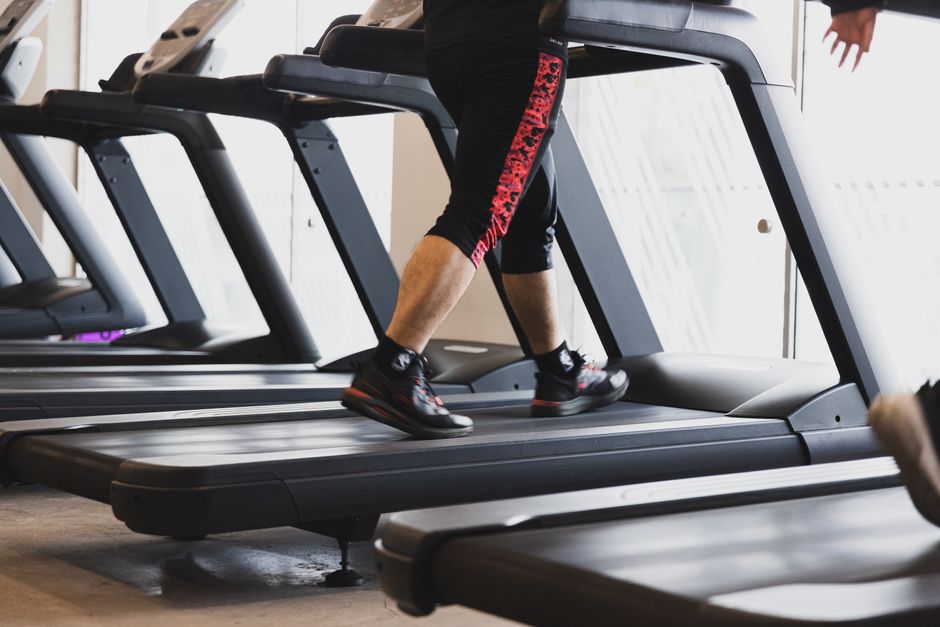
Yes, walking on a treadmill burns fat, but the process is more specific than simply stepping on and watching the scale move. Fat loss happens when your body uses more calories than it takes in, and treadmill walking is a reliable way to create that calorie deficit. The research is clear that consistent, moderate-intensity walking can reduce body fat, particularly when paired with a healthy diet. However, the type of fat you lose and how quickly it happens depends on your intensity, duration, and overall lifestyle.
How Does Walking Actually Burn Fat?
Your body needs energy for everything you do. It pulls that energy from two main sources: carbohydrates and fat. At rest, your body primarily uses fat for fuel. As you start moving, it shifts to burning a mix of fat and carbohydrates. The exact ratio depends on how hard you are working.
At a comfortable walking pace, your body relies heavily on fat for energy. This is often called the “fat-burning zone,” which is typically around 60-70% of your maximum heart rate. At this intensity, you are not gasping for air, but you are breathing deeper than usual. You can still talk, but not sing. This is the sweet spot where the percentage of calories from fat is highest.
That does not mean faster walking is bad. When you walk faster or add an incline, you burn more total calories. Some of those calories come from carbohydrates, but the total fat burned over the session can still be higher because you are using more energy overall. The key is that fat loss is driven by total calorie expenditure, not just the percentage of fat used during the workout.
Does Walking on a Treadmill Burn Fat Better Than Walking Outside?
Treadmills offer a few advantages that can help with fat loss. The most significant is the ability to control the incline. Walking on a flat surface burns a moderate number of calories. Adding a slight incline, even just 2-3 percent, significantly increases the work your leg muscles do and raises your heart rate. This means more calories burned in the same amount of time.
Treadmills also remove variables like weather and terrain. You can maintain a consistent pace and know exactly how long and how hard you worked. Some treadmills have built-in programs that automatically change the incline, which keeps your muscles challenged and prevents your body from fully adapting to a single routine.
Walking outside is not inferior. The main difference is control. Outside, you might naturally vary your pace to navigate sidewalks or hills, but it is harder to precisely manage your effort. For someone focused on tracking their workouts, a treadmill simply offers more data. The research does not show that one method is superior for fat loss. The best choice is the one you will do consistently.
How Long and How Often Should You Walk?
Current physical activity guidelines recommend at least 150 minutes of moderate-intensity aerobic activity per week for general health. For weight loss, many people need more. Some studies suggest that 200 to 300 minutes per week is more effective for maintaining weight loss. That breaks down to roughly 40 to 60 minutes a day, five days a week.
For beginners, starting with 20-30 minutes a day is reasonable. Your body needs time to adapt to the new stress. The most important factor is consistency. Walking for 30 minutes every single day will produce better results than walking for two hours once a week.
The speed matters less than the effort. A brisk pace of about 3 to 4 miles per hour is a good target for most adults. If you cannot hold a conversation at that pace, slow down. If you can sing, speed up. The goal is to stay in that moderate-intensity range where your heart rate is elevated and you are breathing heavier than normal.





Does Incline Walking Increase Fat Burn?
Yes, incline walking increases the calorie burn of a session. Walking on a 10% incline burns significantly more calories than walking on a flat surface at the same speed. It forces your glutes, hamstrings, and calves to work harder, which increases your energy expenditure.
It is a common misconception that incline walking specifically targets belly fat. Spot reduction is a myth. You cannot choose where your body loses fat from. Your genetics determine the order in which fat is lost, and this varies from person to person. Incline walking will help you burn more calories overall, which contributes to total body fat loss, including the abdominal area over time.
If you are new to incline walking, start small. A 2-3% incline is enough to make a difference. Increase the incline gradually over several weeks as your fitness improves. Walking on a steep incline puts more stress on your Achilles tendon and calf muscles, so a slow progression helps prevent injury.
What Is the Best Way to Walk on a Treadmill for Fat Loss?
There is no single perfect routine, but some methods are more effective than others. Steady-state walking at a moderate pace is the most straightforward approach. You set the treadmill to a comfortable speed, maintain it for 30-60 minutes, and finish. This is effective and easy to sustain.
Interval training is another option. This involves alternating between a higher intensity and a lower intensity. For example, you might walk at a brisk pace for two minutes, then slow down for one minute to recover. This pattern raises your average heart rate and burns more calories in a shorter period. Some research suggests interval training can improve cardiovascular fitness faster than steady-state exercise, but both are valid for fat loss.
The best routine is the one that fits your schedule and that you enjoy. If you hate intervals, do not force yourself to do them. You will not stick with a program you dread. The research consistently shows that adherence is the strongest predictor of long-term weight loss success.
Can You Lose Belly Fat by Walking on a Treadmill?
Walking can help reduce abdominal fat, but it requires patience. Visceral fat, the fat stored deep inside the belly around your organs, is more responsive to aerobic exercise than subcutaneous fat, which sits just under the skin. Studies have shown that consistent aerobic exercise can reduce visceral fat even without significant weight loss.
However, you cannot target this area specifically. Your body releases fat from all over when you are in a calorie deficit. Some people lose weight in their face first, others in their chest, and others in their belly. There is no way to control this order. The only strategy that works is to keep burning more calories than you consume and stay consistent.
A treadmill walking routine is a solid tool for this. Combined with a diet that includes adequate protein and fiber, it can help you achieve the calorie deficit needed to reduce belly fat over time.
Does Walking Burn Fat or Just Water Weight?
Walking burns stored fat, but the scale can be misleading. When you first start a new exercise routine, your body may retain more water as your muscles respond to the new stress. This water retention can cause the scale to go up slightly in the first week or two, even though you are burning fat. This is temporary.
As you continue, your body adapts, and the water retention subsides. Over weeks and months, the fat loss becomes apparent on the scale and in how your clothes fit. Do not judge progress by daily weigh-ins. Look at the trend over a month or two. A loss of 1-2 pounds per week is a healthy and sustainable rate for most people.
What Are the Limits of Treadmill Walking for Fat Loss?
Walking has limits. It is a low-intensity exercise, so the number of calories burned per minute is lower than running or cycling. A 150-pound person might burn about 100-150 calories in 30 minutes of brisk walking. That is meaningful, but it is easy to eat back those calories in a few minutes.
Diet is the dominant factor in fat loss. You cannot outwalk a poor diet. A single fast-food meal can contain more calories than you burn in an entire hour of walking. For fat loss to happen, your diet must support a calorie deficit. Walking is a tool that makes the deficit easier to achieve, but it is not a replacement for healthy eating.
Some research also suggests that the body adapts to repetitive exercise. Over time, your body becomes more efficient at walking, meaning you burn slightly fewer calories for the same effort. This is why gradually increasing your speed, incline, or duration is important to keep progressing.
Frequently Asked Questions
How fast should I walk on a treadmill to burn fat?
A brisk pace of 3 to 4 miles per hour is a good target for most adults. You should be breathing harder than normal but still able to talk.
Is it better to walk longer or faster to lose weight?
Both work, but consistency matters most. Walking longer at a moderate pace is easier for beginners and reduces injury risk.
How soon will I see results from walking on a treadmill?
Most people notice changes in how clothes fit within 4 to 6 weeks of consistent walking. Scale changes may take longer due to water retention.
Can I burn belly fat by walking on an incline?
Incline walking burns more calories overall, which helps reduce total body fat. You cannot choose to lose fat specifically from your belly.
