
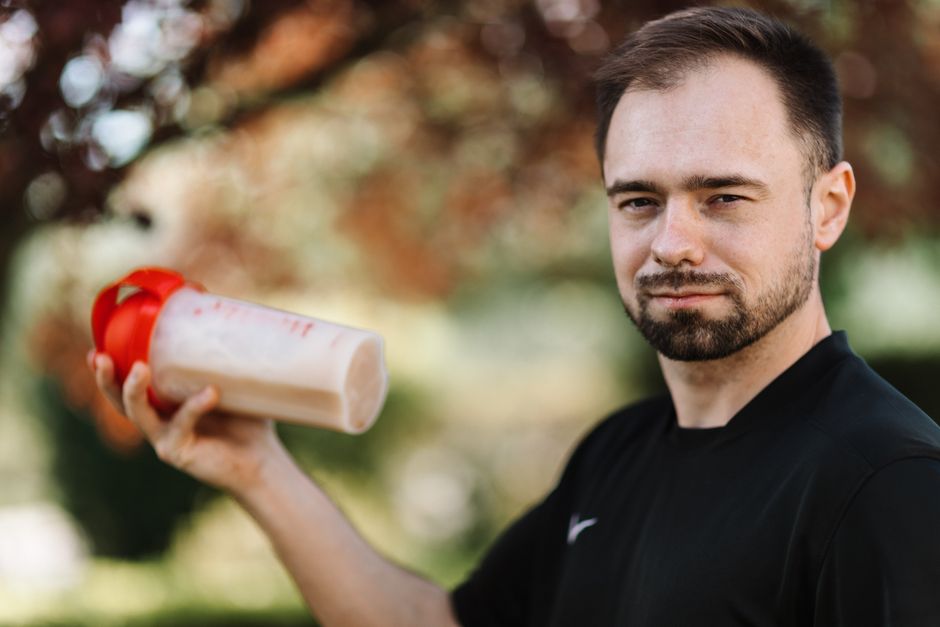
Eating protein does not burn fat in any direct sense. There is no metabolic switch that flips when you eat a chicken breast. What protein does is influence how many calories you burn, how full you feel, and how much muscle you keep while losing weight. Those effects are real but modest, and they work best as part of an overall eating pattern, not as a standalone fat-burning strategy.
Does Eating Protein Burn Fat?
No. Protein is not a fat-burning food. It is a nutrient that your body uses for building and repairing tissue, making enzymes and hormones, and supporting immune function. Fat loss happens when you consistently take in fewer calories than you expend.
That said, protein does affect the calorie side of the equation in ways that can make fat loss slightly easier. The most discussed mechanism is something called the thermic effect of food.
Digesting any food costs energy. Protein costs the most. Your body uses roughly 20 to 30 percent of the calories from protein just to process it, compared with about 5 to 10 percent for carbohydrates and 0 to 3 percent for fat. These ranges come from established nutrition science and are widely cited in textbooks. For a person eating 100 calories of protein, roughly 20 to 30 of those calories go toward digestion and absorption.
That sounds impressive until you put it in context. If you eat 100 grams of protein in a day, that is 400 calories. The thermic effect might account for 80 to 120 of those calories. On a 2,000-calorie diet, that difference is small. It matters over months, not days.
How Does Protein Affect Metabolism and Fat Loss?
Protein influences body weight through several pathways. None of them are dramatic on their own. Together, they can make a meaningful difference in how easy or hard it is to stick with a reduced-calorie diet.
- Satiety: Protein tends to make you feel fuller than fat or carbohydrates. Some studies suggest protein has the strongest effect on fullness of the three macronutrients, though results vary by individual and by the type of protein.
- Thermic effect: As noted, protein requires more energy to digest than other macronutrients. This is a real but modest effect.
- Muscle preservation: When you eat fewer calories, your body can break down muscle for energy. Adequate protein intake, especially combined with resistance training, helps preserve muscle mass. More muscle means a slightly higher resting metabolic rate, though the difference is often overstated.
- Blood sugar stability: Protein slows digestion when eaten with carbohydrates, which can help avoid sharp blood sugar spikes and crashes that sometimes trigger hunger.
The muscle-preservation point deserves emphasis. Many people focus on burning fat and ignore what happens to muscle. Losing muscle during weight loss can lower your resting metabolic rate over time, making it harder to keep weight off. Protein helps protect against that.
Eating Protein to Burn Fat: What Does the Evidence Actually Show?
Research on protein and weight loss is extensive but not always consistent. Some studies show that higher-protein diets lead to slightly more fat loss than lower-protein diets when calories are matched. Other studies show little difference.
A pattern that does emerge: higher-protein diets often help people eat less without consciously trying. In controlled feeding studies, when protein is increased and fat or carbs are reduced, people tend to eat fewer total calories. That is likely due to increased fullness.
What the evidence does not show is that protein magically melts fat. No study has found that eating protein without a calorie deficit leads to meaningful fat loss. The calorie deficit is still the driver.
Some research suggests that protein’s effects on appetite and metabolism are strongest in people who are overweight or obese and weaker in lean individuals. This is not a universal finding, but it is a reasonable interpretation of the data.
Another point often missed: the type of protein may matter. Some studies indicate that whey protein and casein, both dairy proteins, have slightly different effects on satiety and muscle protein synthesis. Plant proteins can also support muscle and satiety, though some plant sources are lower in certain amino acids. The practical difference for most people is small if total daily protein is adequate.


How Much Protein Do You Actually Need?
The Recommended Dietary Allowance for protein is 0.8 grams per kilogram of body weight per day for most adults. That is the minimum to prevent deficiency, not the optimal amount for fat loss or muscle preservation.
For people trying to lose fat while preserving muscle, many researchers and clinicians suggest higher intakes. A common range discussed in sports nutrition and obesity research is 1.2 to 1.6 grams per kilogram of body weight per day. Some recommendations go higher for athletes or people doing intense resistance training, but that is beyond the scope of general fat loss.
To put that in perspective: a 180-pound (about 82-kilogram) person might aim for 98 to 131 grams of protein per day using that range. That is roughly 25 to 35 grams per meal across three meals, plus a snack.
These are general ranges, not prescriptions. Individual needs vary based on age, activity level, kidney function, and other health conditions. People with kidney disease often need to limit protein, and that should be managed by a doctor.
No clinical guidelines currently exist for protein intake specifically for fat loss in pregnant women, infants, or children. Those groups have their own protein needs based on growth and development, and any changes should be discussed with a pediatrician or obstetrician.
Do You Need Protein Shakes or Supplements to Burn Fat?
No. Protein powders are convenient, not necessary. They are a processed food product, and the evidence does not show they are superior to whole food sources for fat loss or muscle preservation.
Whole foods like eggs, chicken, fish, Greek yogurt, cottage cheese, beans, lentils, and tofu provide protein along with other nutrients. They also tend to be more filling than liquids. Some studies suggest that liquid calories are less satiating than solid calories, which could work against you if you are trying to manage hunger.
That said, protein shakes can help people who struggle to eat enough protein from food alone. They are easy to consume and can be useful after exercise or as a quick meal replacement. If you use them, read the label. Some products contain added sugars or other ingredients that add calories without adding protein.
The marketing around protein supplements is aggressive. Claims like “burns fat” or “boosts metabolism” are not supported by evidence. Protein supplements can help you meet your protein target. They do not burn fat on their own.
What About High-Protein Diets Like Keto or Paleo?
High-protein diets can lead to fat loss, but usually because they reduce total calories, not because protein itself is fat-burning. When you cut carbohydrates drastically, as in a ketogenic diet, you often eat less overall because protein and fat are filling and because ketosis can suppress appetite in some people.
The weight loss on these diets is real. Whether they are better than other reduced-calorie diets over the long term is less clear. Some studies show comparable results at 12 months or longer when protein and calories are matched. The best diet is one you can stick with.
One concern with very high protein intakes is kidney health. For people with healthy kidneys, higher protein diets have not been shown to cause kidney damage in most studies. But for people with existing kidney disease, high protein can be harmful. If you have any kidney concerns, talk to your doctor before increasing protein.
Another consideration: very high protein diets often crowd out fiber-rich foods like fruits, vegetables, and whole grains. Fiber is important for gut health and can also help with satiety. A diet that is high in protein but low in fiber may not be ideal for overall health.
What Actually Works for Fat Loss?
A calorie deficit is still the foundation. Protein helps you achieve and maintain that deficit by keeping you full and preserving muscle. It does not replace the need for a deficit.
Resistance training is the other key piece. Lifting weights or doing other forms of strength training signals your body to keep muscle even when calories are low. Without that signal, some of the weight you lose will be muscle.
Sleep and stress management matter too. Poor sleep and high stress can increase appetite and make it harder to stick with any eating plan. These are not protein issues, but they affect the same outcome.
If you are eating enough protein, lifting weights, sleeping well, and still not losing fat, the issue is likely total calories. Tracking your intake for a week or two can help you see where you actually are.
Frequently Asked Questions
Does eating protein burn fat directly?
No. Protein does not burn fat. It can help you eat fewer calories by keeping you full and can help preserve muscle during weight loss, but fat loss requires a calorie deficit.
How much protein should I eat to lose weight?
Many researchers suggest 1.2 to 1.6 grams per kilogram of body weight per day for fat loss while preserving muscle. That is a general range, not a prescription, and individual needs vary.
Do protein shakes help you lose belly fat?
No. Protein shakes can help you meet your protein target, but no evidence shows they specifically target belly fat. Fat loss happens throughout the body when you are in a calorie deficit.
Can eating too much protein be bad for you?
For people with healthy kidneys, higher protein intakes have not been shown to cause kidney damage in most studies. People with existing kidney disease should talk to their doctor before increasing protein.
