
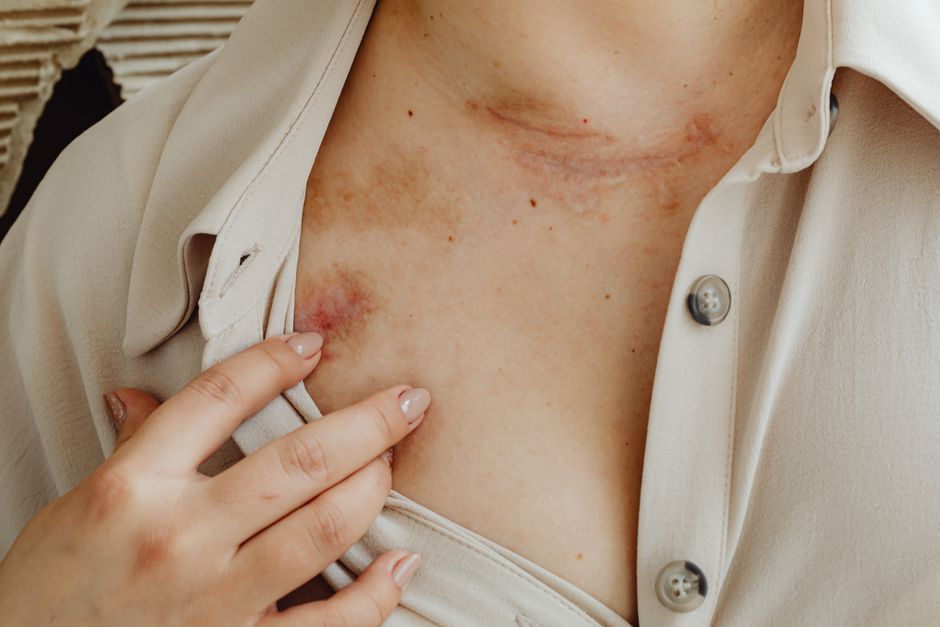
Turmeric is one of the most studied spices in medicine, and its reputation as a wound healer has traveled far ahead of the evidence. The short answer: no strong clinical evidence shows that eating turmeric or applying it to a wound speeds healing in humans. Curcumin, the compound behind most of turmeric’s studied effects, does influence inflammation and tissue repair in laboratory and animal research. Whether that translates into faster healing in people remains largely unproven.
That gap between lab results and real-world outcomes matters. Turmeric is generally safe in food amounts, but concentrated supplements and topical pastes carry risks that rarely make it into the headlines. Here is what the research actually supports, what it does not, and where the genuine uncertainty lies.
What Does the Evidence Actually Show About Turmeric and Wound Healing?
The evidence is strongest in cells and animals, and weakest in humans — the opposite of what most people assume.
In laboratory studies, curcumin has been shown to affect several processes involved in wound repair. It interacts with inflammatory signaling, influences collagen deposition, and appears to support the formation of new blood vessels. These findings are real and have been replicated in various experimental models. In animal studies, topical curcumin has been associated with faster closure of experimental wounds in some research.
Human evidence is a different story. There is no large, well-controlled human trial showing that turmeric or curcumin reliably accelerates wound healing. Some small studies have examined curcumin for conditions involving chronic inflammation or impaired healing, such as diabetic foot ulcers, but these are limited in size and number. The results are mixed, and none establish turmeric as a standard wound treatment.
This pattern — promising lab data, thin human data — is common in nutrition research. A compound can influence a biological pathway in a petri dish without producing a measurable clinical benefit when a person takes it. Biological plausibility is not the same as demonstrated effectiveness.
How Is Curcumin Supposed to Help Wounds Heal?
Wound healing happens in overlapping phases: inflammation, new tissue formation, and remodeling. Curcumin appears to act on all three in experimental settings.
Inflammation is the first response after injury. It clears debris and signals repair cells to the area. Curcumin is known to inhibit certain inflammatory pathways, including NF-kB, which is one reason it gets attention for inflammatory conditions. In a wound, some inflammation is necessary. Dampening it too much or at the wrong moment could theoretically interfere with healing rather than help it.
Curcumin also appears to influence collagen, the structural protein that gives repaired tissue its strength, and to support angiogenesis, the growth of new blood vessels that supply oxygen to healing tissue. These effects have been observed mainly in cell and animal models.
One point that rarely gets mentioned: curcumin has poor bioavailability. When swallowed, most of it is poorly absorbed, rapidly metabolized, and cleared from the body. This is a well-documented limitation. It is a major reason researchers question whether oral turmeric can deliver meaningful amounts of curcumin to a wound site in humans. Products that claim enhanced absorption exist, but improved absorption does not automatically mean improved clinical outcomes.
Can You Apply Turmeric Directly to a Wound?
Applying turmeric paste to a wound is a traditional practice in some cultures, and it carries real risks that should not be ignored.
Turmeric powder sold for cooking is not sterile. Putting it into an open wound introduces bacteria and particles that can cause infection or delay healing. Turmeric also stains skin and fabric intensely, and it can cause contact dermatitis — an allergic skin reaction — in some people. In people with sensitive skin, topical turmeric has been reported to trigger irritation and rash.
The bigger concern is what a home remedy might replace. Wounds that need medical care — deep cuts, puncture wounds, burns, animal bites, or any wound in someone with diabetes or poor circulation — can become serious if treated with a spice instead of proper care. Infection is the main risk. No evidence supports turmeric as a substitute for cleaning a wound, applying a sterile dressing, or seeking medical attention when needed.
If you are curious about topical use, the honest position is that the human evidence does not justify applying it to broken skin, and the infection risk is real. This is not a case where the downside is zero.



Does Eating Turmeric Help You Heal Faster?
Eating turmeric as part of normal cooking is safe and may have general health benefits, but there is no reliable evidence that it speeds wound healing in humans.
The amount of curcumin in typical culinary use is small, and absorption is limited. Dietary turmeric is not a treatment. Some research has explored curcumin supplements for inflammatory conditions and for supporting recovery in specific clinical settings, but results vary and the studies are often small or of modest quality.
If your goal is to support healing after an injury or surgery, the factors with solid evidence behind them are not exotic. Adequate protein intake, sufficient calories, vitamin C, zinc, and good blood sugar control in people with diabetes all matter for wound repair. These are established in clinical nutrition and surgical care. Turmeric is not in that category.
What nutrients have stronger evidence for wound healing?
- Protein — needed to build new tissue; deficiency impairs healing.
- Vitamin C — required for collagen synthesis; severe deficiency causes poor wound healing.
- Zinc — involved in cell growth and immune function; deficiency is linked to delayed healing.
- Blood sugar control — high glucose impairs healing, which is why diabetes is a major risk factor for chronic wounds.
What Are the Risks and Drug Interactions?
Turmeric in food is generally considered safe. Concentrated curcumin supplements are a different matter and can interact with medications.
Curcumin can affect blood clotting. Some evidence suggests it may increase bleeding risk, particularly when combined with blood thinners such as warfarin or with antiplatelet drugs. People scheduled for surgery are often advised to stop high-dose curcumin supplements beforehand, though specific timing guidance varies and should come from a clinician.
Curcumin supplements can also interfere with how the body processes certain drugs, and high doses have been associated with gastrointestinal upset in some people. Turmeric supplements may stimulate the gallbladder, which matters for people with gallstones or bile duct obstruction.
One documented concern: high-dose curcumin supplements have been linked to liver injury in a small number of case reports. This appears rare, but it is a real signal that concentrated supplements are not automatically harmless just because the spice is natural. Anyone with liver disease or taking multiple medications should talk to a clinician before using high-dose curcumin.
Why Is There So Much Hype Around Turmeric?
Turmeric gets more attention than most spices because curcumin is genuinely interesting to researchers and because the supplement market has strong incentives to promote it.
Thousands of studies mention curcumin. Many are laboratory experiments, not human trials. When headlines cite “studies show turmeric fights inflammation,” they often refer to cell or animal research that has not been confirmed in people. The volume of research can create an impression of proven benefit that the human evidence does not support.
There is also a labeling problem. Turmeric supplements vary widely in curcumin content and quality. Some products contain little of what the label claims. Even when a product is accurate, the bioavailability issue limits how much curcumin the body can actually use.
None of this means turmeric is useless. It has been studied for conditions like osteoarthritis, where some evidence suggests modest benefit for pain, though results are mixed and it is not a replacement for established treatment. For wound healing specifically, the honest summary is that the evidence is not there yet.
What Should You Do If You Have a Wound That Won’t Heal?
A wound that is not healing on its own is a medical issue, not a spice deficiency.
Wounds that fail to heal within a reasonable time, that get worse, or that show signs of infection — increasing redness, warmth, swelling, pus, or fever — need medical evaluation. This is especially true for people with diabetes, poor circulation, or weakened immune systems, who are at higher risk of chronic wounds and serious complications.
Standard wound care is well established: keep the wound clean, use appropriate dressings, manage underlying conditions, and address nutritional needs. If you want to add turmeric to your diet as a food, that is reasonable for most people. Expecting it to close a wound is not supported by the evidence.
Frequently Asked Questions
Does turmeric actually heal wounds?
No strong clinical evidence shows that turmeric or curcumin speeds wound healing in humans. Laboratory and animal studies show effects on inflammation and tissue repair, but this has not been confirmed in well-controlled human trials.
Can I put turmeric powder on an open cut?
It is not recommended because turmeric powder is not sterile and can introduce bacteria or cause skin irritation. Proper wound cleaning and sterile dressings are the established approach.
Does eating turmeric help you heal faster after surgery?
There is no reliable evidence that eating turmeric speeds surgical recovery or wound healing. Adequate protein, vitamin C, zinc, and good blood sugar control have stronger evidence behind them.
Is turmeric safe to take as a supplement?
Food amounts are generally safe, but high-dose curcumin supplements can interact with blood thinners and have been linked to rare cases of liver injury. Talk to a clinician before using them, especially if you take medications or have liver or gallbladder conditions.
