
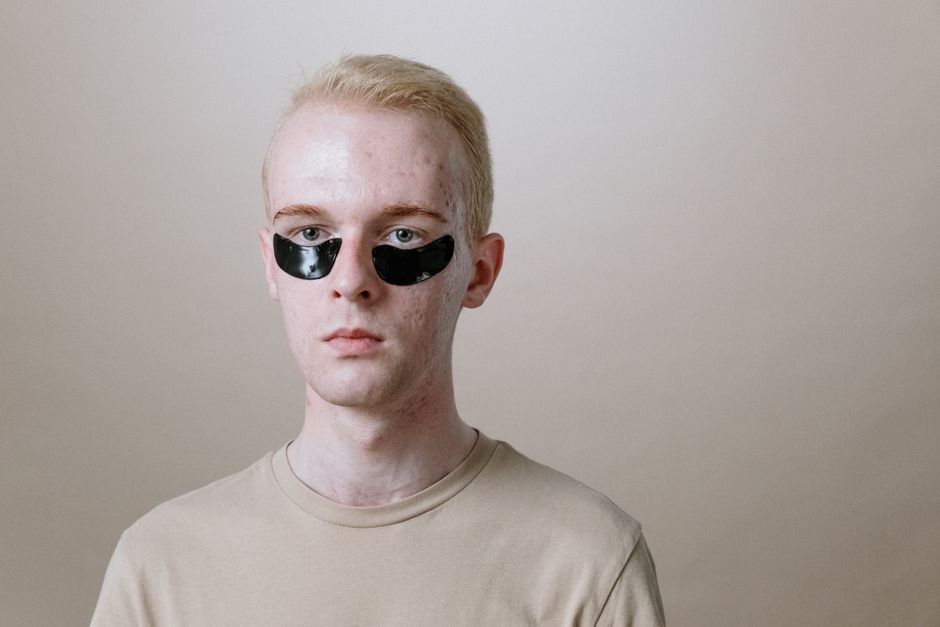
Acne scars are not all the same, and that single fact explains most of the confusion about tretinoin. Tretinoin can genuinely improve some types of acne scars, but it cannot erase others, and it works differently than most people expect. Whether it helps depends on the kind of scar you have, how deep it goes, and how long you use it.
Does Tretinoin Work On Acne Scars?
For certain scar types, yes. For others, no, and no amount of patience changes that.
Tretinoin is a topical retinoid. It speeds up how quickly your skin turns over new cells and it changes how collagen is built and broken down in the deeper layer of skin called the dermis. Scars form when that collagen rebuilding process goes wrong after inflammation. So a medication that influences collagen has a logical reason to help.
The catch is depth. Tretinoin affects the upper layers of skin well. It reaches the dermis, but only to a limited degree. Scars that sit at or near the surface respond better than scars anchored deep in the skin. That is why dermatologists do not treat all acne scars the same way.
One clarification worth making: tretinoin is not a scar remover. It is a scar improver. People who expect a scar to disappear are usually disappointed. People who expect a scar to look softer, shallower, and less noticeable over months of consistent use are often satisfied.
What Types of Acne Scars Can Tretinoin Actually Improve?
The scar type matters more than the brand, the strength, or how long you use it.
Dermatologists generally group acne scars into two broad families. One family is raised. The other is indented. Tretinoin behaves very differently across these two groups.
Scars tretinoin can help
- Post-inflammatory hyperpigmentation. These are the flat brown or red marks left after a pimple heals. They are not true scars in the structural sense. Tretinoin speeds cell turnover, which helps fade this discoloration over time. This is one of its most reliable uses.
- Shallow atrophic scars. These are slightly sunken scars. The rolling and shallow boxcar types sometimes soften with long-term tretinoin use.
- Overall skin texture. Even when a scar does not change much, surrounding skin can look smoother, which makes scars less obvious by contrast.
Scars tretinoin generally cannot fix
- Deep ice pick scars. These are narrow, deep, pitted scars. Topical tretinoin does not reach the depth needed to rebuild that kind of tissue.
- Deep boxcar scars. Sharply defined, deep indentations usually need procedures, not creams.
- Raised keloid or hypertrophic scars. These are overgrowths of scar tissue. Tretinoin is not a standard treatment for them.
If you are unsure which type you have, a dermatologist can tell you in a single visit. This is not a distinction you can reliably self-diagnose from a photo.
How Long Does Tretinoin Take to Fade Acne Scars?
Months, not weeks. This is the part most people underestimate.
Post-inflammatory hyperpigmentation often starts to fade within a few months of consistent use. Structural scars, the indented kind, can take six months to a year or longer to show meaningful change, and some never change much at all.
There is a reason for the slow timeline. Tretinoin works by gradually altering how skin cells behave and how collagen is deposited. That is a biological process, not a surface treatment. You cannot speed it up by applying more.
Consistency matters more than strength. Using tretinoin most nights for a year will typically do more than using a high concentration sporadically for a few weeks.
A realistic way to think about it: if you are not willing to commit to at least several months, tretinoin may not be the right tool for your goal.




How Does Tretinoin Compare to Other Acne Scar Treatments?
Tretinoin is one option among many, and for most scar types it is not the strongest one.
Procedures that physically remodel the skin tend to produce more dramatic results for indented scars. Topical tretinoin is better suited to surface-level concerns and to supporting overall skin quality.
| Treatment | Best suited for | Typical approach |
|---|---|---|
| Tretinoin (topical) | Hyperpigmentation, shallow scars, texture | Daily use at home over months |
| Chemical peels | Surface marks, mild scarring | In-office, repeated sessions |
| Microneedling | Rolling and boxcar scars | In-office, multiple sessions |
| Laser resurfacing | Deeper indented scars | In-office, may need several treatments |
| Subcision | Rolling scars tethered by tissue | In-office procedure |
| Dermal fillers | Depressed scars | In-office, results are temporary |
These approaches are often combined. A dermatologist might use a procedure to address deep scars and prescribe tretinoin to improve the overall surface and fade marks in between sessions.
No single treatment is best for everyone. The right choice depends on scar type, skin tone, how much downtime you can accept, and cost.
What Are the Side Effects and Risks of Using Tretinoin on Scars?
Tretinoin is well studied, and its side effects are well known. The main ones are skin-related and usually manageable.
Common effects include dryness, peeling, redness, and a stinging or burning feeling. These are most intense in the first few weeks and often ease as your skin adjusts. Some people never fully adjust and need a lower strength or less frequent use.
Two risks deserve real attention:
- Sun sensitivity. Tretinoin makes skin more vulnerable to sunburn. Daily sunscreen is not optional with this medication.
- Irritation that worsens pigmentation. In some people, especially those with darker skin tones, irritation itself can trigger more darkening. This is why starting slowly matters.
Tretinoin is not recommended during pregnancy. If you are pregnant, breastfeeding, or planning a pregnancy, talk to your doctor before using it. This is a well-established precaution, not a minor one.
One point people get wrong: purging. Some people see a temporary breakout in the first weeks as skin adjusts. This is not a scar treatment failure. It usually settles, but it can be discouraging.
Can Tretinoin Prevent Acne Scars in the First Place?
This may be where tretinoin is most useful of all.
Acne scars form when inflammation is deep and prolonged. The longer an active breakout goes untreated, the more opportunity there is for scar tissue to develop. Tretinoin treats acne itself by keeping pores clear and reducing the formation of new pimples.
By controlling acne earlier and more consistently, you reduce the chance that scars form at all. For someone with ongoing breakouts, this preventive role may matter more than any effect on existing scars.
This is the honest framing: tretinoin is a stronger acne treatment than it is a scar treatment. If you are using it hoping to erase old scars, your expectations may be off. If you are using it to control acne and prevent new scarring, the evidence is much more favorable.
How Should You Use Tretinoin for the Best Results?
Slow and steady beats aggressive. That principle holds for almost everyone.
Most dermatologists suggest starting with a low concentration a few nights a week, then building up as your skin tolerates it. Applying a small amount, about the size of a pea, to the whole affected area rather than just the scar is standard practice. Using it on dry skin and moisturizing afterward can reduce irritation.
Sunscreen every morning is essential. Without it, you are working against yourself, because sun damage deepens the appearance of scars and darkens marks.
Give it time before judging results. A few weeks tells you almost nothing. A few months tells you something. A year tells you the truth.
If your skin is irritated, back off rather than push through. More product is not more results. It is more irritation.
Frequently Asked Questions
Can tretinoin completely remove acne scars?
No. Tretinoin can soften and fade some scars, especially shallow ones and dark marks, but it does not remove deep or indented scars. Procedures like lasers, microneedling, and subcision are typically needed for those.
How long does tretinoin take to work on acne scars?
Flat dark marks may start fading within a few months, while indented scars can take six months to a year or longer to change. Some structural scars may not improve at all with topical treatment alone.
Is tretinoin better than laser for acne scars?
For deep indented scars, laser and other in-office procedures generally produce more noticeable results than tretinoin. Tretinoin is better suited to fading dark marks and improving overall skin texture over time.
Can I use tretinoin while pregnant?
Tretinoin is not recommended during pregnancy. If you are pregnant, breastfeeding, or planning a pregnancy, speak with your doctor before using it.
