
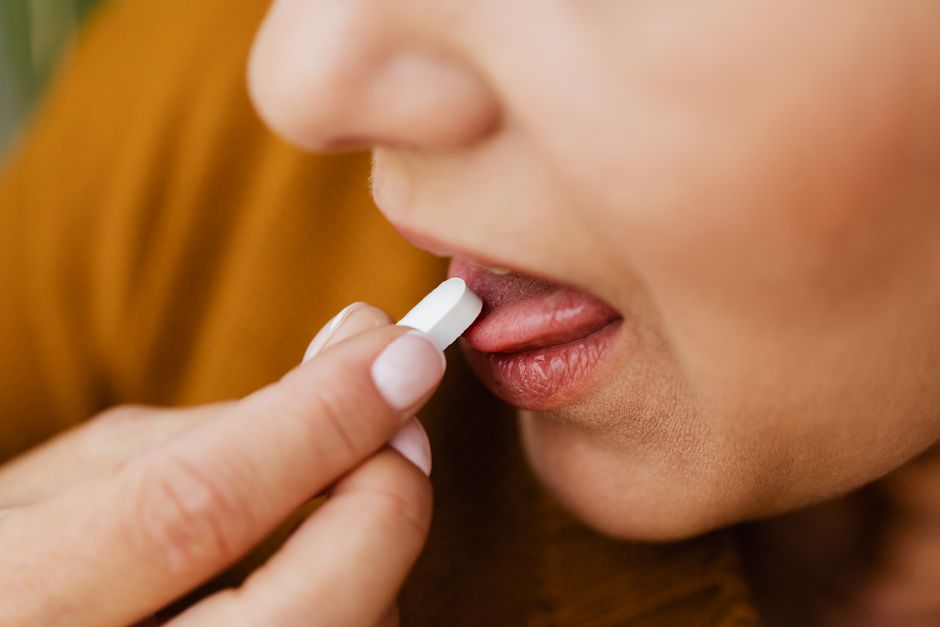
Taking vitamin C once you’re already sick probably won’t cure your cold or make it disappear faster. The evidence suggests that for most people, vitamin C supplements taken after symptoms start do not meaningfully shorten how long a cold lasts or how bad it feels. Where vitamin C does show a modest effect is in people who take it regularly before getting sick — and even then, the benefit is small.
That’s a less exciting answer than the marketing around cold remedies suggests. But it’s the one that holds up when you look at the actual research rather than the claims on a supplement bottle.
What Happens in Your Body When You Take Vitamin C
Vitamin C, also called ascorbic acid, is a water-soluble nutrient your body cannot make on its own. You have to get it from food or supplements. It plays a role in collagen formation, iron absorption, and immune function.
That last part is where the cold claims come from. Vitamin C supports the function of certain white blood cells, including neutrophils and lymphocytes, which help your body fight infections. It also acts as an antioxidant, helping protect cells from damage caused by free radicals.
Here’s the part that gets skipped: supporting immune function is not the same as treating an infection. Your immune system needs vitamin C to work properly. That does not mean flooding your body with extra vitamin C during a cold gives your immune system a boost it didn’t already have.
Think of it like fuel in a car. If the tank is full, adding more fuel doesn’t make the car go faster. If you’re already getting enough vitamin C through your diet, extra amounts during illness are unlikely to change how your immune system responds.
Does Taking Vitamin C While Sick Actually Help?
For the general population, the answer is no — not in any meaningful way. This is one of the more studied questions in nutrition research, and the pattern has been fairly consistent.
The most frequently cited body of work on this comes from a series of reviews published in the Cochrane Database of Systematic Reviews. These reviews looked at whether vitamin C supplementation reduces the duration or severity of the common cold. The findings were clear on one point: taking vitamin C after cold symptoms begin does not shorten the illness or reduce symptom severity in most adults.
Where researchers did find a small effect was in people who took vitamin C regularly — at least 200 mg per day — before they got sick. In that group, colds lasted slightly less time on average, and symptoms were somewhat less severe. But the difference was modest. We’re talking about a reduction measured in hours to roughly a day, not a dramatic change.
One subgroup did show a larger benefit: people under extreme physical stress, such as soldiers doing heavy exercise in cold environments or marathon runners. In those specific groups, vitamin C reduced the risk of catching a cold by about half. But this does not apply to most people going about their normal daily lives.
So the honest summary is this: if you’re a typical adult who eats reasonably well and you start taking vitamin C the moment you feel a scratchy throat, the evidence does not support that it will help.
Why the “Vitamin C for Colds” Idea Persists
The belief that vitamin C prevents or treats colds goes back decades. It was popularized in the 1970s by Linus Pauling, a Nobel Prize-winning chemist who wrote a book claiming that large doses of vitamin C could prevent and treat the common cold.
Pauling was a legitimate scientist. His authority made the idea stick. But the studies he based his claims on were limited, and later, larger, better-controlled trials did not confirm his conclusions.
That gap — between a famous person’s claim and what the evidence actually shows — is a pattern you see again and again in health. A single study or a compelling personality can launch a belief that takes decades to correct, even after the science moves on.
Vitamin C also has a plausible mechanism, which makes the idea feel right. It supports immune cells. It’s an antioxidant. Surely more of it must help, right? This is where biological plausibility and clinical evidence part ways. Something can make sense in theory and still fail when tested in real people.





How Much Vitamin C Do You Actually Need?
The recommended daily amount for adults is 75 mg for women and 90 mg for men, according to the National Institutes of Health. Smokers need an additional 35 mg per day because smoking depletes vitamin C.
These amounts are not hard to reach through food. A single medium orange provides about 70 mg. A half-cup of raw red bell pepper provides around 95 mg. A half-cup of cooked broccoli provides roughly 50 mg. Getting enough vitamin C through diet is straightforward for most people.
Here’s a detail worth knowing: the human body can only absorb so much vitamin C at one time. When you take a large dose — say 1,000 mg — your body absorbs less of it and excretes the rest in urine. Absorption is also more efficient when vitamin C comes from food rather than a supplement.
This is part of why mega-doses don’t deliver the dramatic effects people expect. Your body has a ceiling on how much it can use at once, and it’s lower than most supplement labels suggest.
Can Vitamin C Supplements Cause Problems?
Vitamin C is generally well tolerated at typical doses. But more is not always better, and high doses can cause side effects.
Common issues with large doses include digestive upset, diarrhea, and stomach cramps. These are more likely with doses above 1,000 mg at a time.
There’s also a less obvious concern. Vitamin C increases iron absorption. For most people that’s fine, even helpful. But for people with a condition called hemochromatosis, where the body stores too much iron, extra vitamin C can make the problem worse by increasing how much iron gets absorbed from food.
People with kidney disease should also be cautious about high-dose vitamin C supplements. The body converts vitamin C into oxalate, and in some people, high intakes can increase the risk of kidney stones. This risk is more relevant for men and for people who already form stones.
If you take prescription medications, it’s worth checking with a pharmacist before adding high-dose vitamin C. It can interact with certain drugs, including some chemotherapy agents and statins.
What Actually Helps When You Have a Cold
Since vitamin C isn’t the answer most people hope for, what does the evidence support?
Rest and fluids remain the standard advice. Your body needs energy to fight the infection, and staying hydrated helps thin mucus and ease congestion.
Over-the-counter medications can ease specific symptoms. Decongestants reduce nasal stuffiness. Antihistamines may help with runny nose and sneezing. Pain relievers like acetaminophen or ibuprofen can reduce aches and fever. These don’t shorten the cold, but they can make you more comfortable while it runs its course.
Zinc has been studied for cold treatment, and some evidence suggests it may shorten cold duration if taken within 24 hours of symptom onset. The results across studies are mixed, and zinc supplements can cause nausea and a metallic taste. The evidence is not strong enough to call it a reliable treatment.
Honey may help soothe a cough, particularly in adults and children over age 1. Note that honey should never be given to infants under 1 year old because of the risk of infant botulism.
A cold typically runs its course in about 7 to 10 days. Some symptoms, like a cough, can linger longer. Antibiotics do not help because colds are caused by viruses, not bacteria.
The Bottom Line on Vitamin C and Colds
Vitamin C is an essential nutrient. Your body needs it. But taking it after you’re already sick does not appear to shorten or ease a cold in the general population.
If you take vitamin C regularly before getting sick, you might shave a small amount off how long a cold lasts. The effect is modest and not guaranteed. For people under extreme physical stress, the benefit appears larger, but that’s a narrow group.
The best approach is to get vitamin C through food as part of a normal diet. Oranges, bell peppers, broccoli, strawberries, and kiwi are all good sources. If you choose to supplement, standard doses are reasonable. Mega-doses are not more effective and can cause side effects.
And if you’re already sick? Vitamin C probably won’t rescue you. Rest, fluids, and symptom relief are still the most reliable things you can do.
Frequently Asked Questions
Does taking vitamin C while sick actually help?
For most people, no. Research shows that taking vitamin C after cold symptoms start does not meaningfully shorten the illness or reduce how severe it feels.
How much vitamin C should I take daily?
Adults need 75 mg per day for women and 90 mg per day for men, according to the National Institutes of Health. Smokers need an extra 35 mg daily.
Can vitamin C prevent a cold?
Taking vitamin C regularly before getting sick may slightly reduce how long a cold lasts, but the effect is small in most adults. A larger benefit has been seen only in people under extreme physical stress, like marathon runners or soldiers in cold environments.
Is it safe to take high doses of vitamin C?
High doses can cause digestive upset and diarrhea, and may increase kidney stone risk in some people. People with hemochromatosis or kidney disease should be especially cautious about high-dose supplements.
