
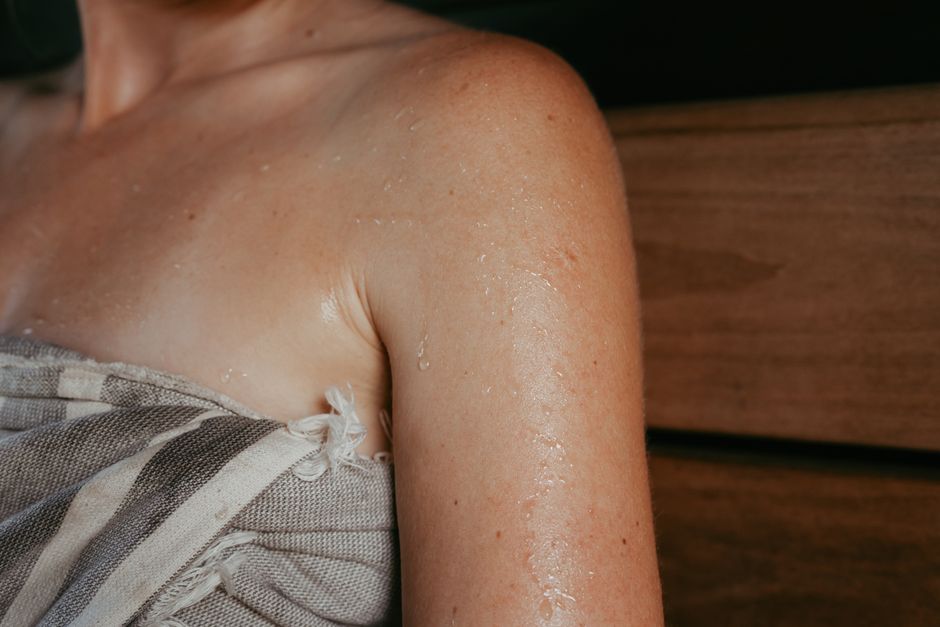
Sweat does not contain the bacteria that cause acne, and sweat itself does not clog pores. Yet many people notice new pimples after a workout, a hot day, or a stressful week. The link is real, but it comes from what sweat does to your skin, not from sweat as a substance. Heat, moisture, friction, and the way you handle your skin afterward all play a part.
Understanding that difference matters. If you think sweat is the problem, you may scrub harder or shower with harsh products, which can make breakouts worse. If you understand the actual mechanisms, you can adjust a few simple habits and often see a difference.
Does Sweating Give You Pimples?
Sweat by itself does not cause acne. Acne forms when pores become blocked by dead skin cells and sebum, the oil your skin produces naturally. That blocked pore can then become inflamed. Sweat is mostly water with small amounts of salt and other compounds. It does not contain sebum, and it does not contain the bacterium Cutibacterium acnes that is associated with acne.
What sweat does is create conditions that make blocked pores more likely. When sweat mixes with sebum and dead skin cells on the surface of your skin, it can contribute to a plug forming at the opening of a pore. Heat also increases blood flow and can make your skin feel oilier. So sweating is not the cause, but it can be a trigger in people who are already prone to acne.
There is a second, separate issue worth knowing about. Some people develop small, itchy bumps after sweating that look like acne but are not acne at all. This condition is sometimes called sweat rash or, in its more specific form, miliaria. It happens when sweat ducts become blocked and sweat leaks into nearby skin. The bumps are usually small, red, and clustered on areas covered by clothing. They can itch or prick. Miliaria is not the same as acne and does not respond to acne treatments.
This distinction is not just academic. Using strong acne products on a sweat rash can irritate the skin further. If your bumps appear mainly after heat or exercise, itch, and clear up within a day or two in a cooler environment, a sweat rash is more likely than acne.
Why Does Sweat Cause Breakouts for Some People?
Several factors work together when sweat contributes to breakouts. None of them act alone, which is why two people can sweat the same amount and only one gets pimples.
- Blocked pores. Sweat carries dead skin cells and surface oil into the pore opening, where they can form a plug.
- Heat and humidity. Warm, moist skin produces more sebum, and that extra oil makes plugs more likely.
- Friction. Tight clothing, helmets, and straps rub against sweaty skin and push material into pores. This is why breakouts often appear along the hairline, on the back, or under a chin strap.
- Bacteria on gear. Reused towels, unwashed workout clothes, and shared equipment can transfer bacteria and irritants to your skin.
- Delayed washing. Leaving sweat and oil on your skin for hours gives plugs more time to form.
The location of the breakout often points to the cause. Bumps along the forehead and hairline are common with hats and helmets. Breakouts on the back and shoulders are common with sweaty shirts and backpacks. This pattern is sometimes called acne mechanica, which simply means acne caused by friction and pressure on the skin.
Is It Acne or a Sweat Rash?
Telling the two apart guides what you do next. Acne and miliaria can look similar at a glance, but they behave differently.
| Feature | Acne | Sweat rash (miliaria) |
|---|---|---|
| Main cause | Blocked pores with oil and dead skin | Blocked sweat ducts |
| Typical look | Blackheads, whiteheads, red bumps, sometimes deep cysts | Small red or clear bumps, often clustered |
| Itching | Usually not itchy | Often itchy or prickly |
| Timing | Develops over days to weeks | Appears within hours of heat or sweating |
| Response to cooling | Little change | Often clears within a day or two |
If your bumps are itchy, appear fast after heat, and fade quickly once you cool down, miliaria is the more likely explanation. If they persist, include blackheads or whiteheads, and follow a pattern over weeks, acne is more likely. When you are not sure, a dermatologist can tell the difference.




Why Do Workouts Trigger Breakouts?
Exercise combines several triggers at once. You sweat more, your skin gets warmer, and clothing rubs against it. Gym equipment and shared mats add another layer of bacteria and friction. None of this means exercise is bad for your skin. Regular activity supports general health, and for most people the net effect is positive.
The problem is usually what happens in the hour after a workout. Sitting in damp clothing lets sweat, oil, and bacteria stay in contact with your skin. Wiping your face with a towel that has been in your gym bag for a week transfers bacteria and irritants. Touching your face with unwashed hands pushes material into pores.
One detail that often gets overlooked: the type of fabric matters as much as how much you sweat. Breathable, moisture-wicking fabrics move sweat away from the skin. Heavy cotton holds moisture against the skin for longer. If you break out mostly on your back and shoulders, your shirt may be part of the issue.
What Helps Prevent Sweat-Related Breakouts?
Prevention focuses on reducing the time sweat and oil stay on your skin, and on lowering friction. These steps are widely recommended by dermatologists and are based on how acne and miliaria form.
- Shower soon after heavy sweating when you can. If a full shower is not possible, rinse or gently wipe the affected areas with lukewarm water.
- Change out of damp workout clothes and into dry clothing as soon as you can.
- Wash workout clothes, towels, and headbands after each use.
- Choose loose, breathable fabrics for exercise and for hot weather.
- Use a clean towel, and avoid sharing towels or equipment without wiping them down.
- Keep your hands away from your face during and after workouts.
- Wash your face gently twice a day with a mild cleanser. Scrubbing harder does not clear pores faster and can irritate skin.
If you wear a helmet or hat regularly, clean the inner lining often. That surface sits against your skin for hours and collects oil, sweat, and bacteria.
Does Showering More Often Help or Hurt?
Showering after sweating helps. Showering too often or with harsh products can hurt. Frequent washing with strong soaps strips the skin of its natural oils, which can leave it dry and irritated. Dry, irritated skin can produce more oil in response, and the irritation itself can look like a breakout.
Aim for gentle cleansing rather than aggressive scrubbing. Lukewarm water is less drying than hot water. Mild, fragrance-free cleansers are generally better tolerated than strong antibacterial soaps for everyday use. If your skin feels tight or stings after washing, the product or the frequency is likely too harsh.
There is no single correct number of showers that applies to everyone. It depends on how much you sweat, your skin type, and your climate. The goal is to remove sweat and oil without stripping the skin.
When Should You See a Dermatologist?
Most sweat-related breakouts improve with the habits above. See a dermatologist if breakouts are widespread, painful, or leaving marks, or if they do not improve after several weeks of consistent care. Deep, painful bumps or cysts deserve medical attention because they can scar.
Also see a doctor if you are not sure whether your bumps are acne or something else. Conditions like folliculitis, which is inflammation of the hair follicles, and fungal infections can look like acne but need different treatment. Using acne products on the wrong condition can delay the right care.
Prescription treatments exist for acne that does not respond to over-the-counter care. A dermatologist can match the treatment to your skin and to what is actually causing the bumps.
Frequently Asked Questions
Does sweat cause pimples directly?
No, sweat itself does not cause acne. It contributes by mixing with oil and dead skin cells, which can help block pores and trigger breakouts in people who are prone to acne.
Why do I break out after I exercise?
Exercise combines heat, sweat, and friction from clothing, all of which can clog pores. Staying in damp clothes or touching your face with unwashed hands after a workout makes breakouts more likely.
Is a sweat rash the same as acne?
No, a sweat rash (miliaria) happens when sweat ducts get blocked, and it usually itches and clears within a day or two of cooling down. Acne comes from blocked pores with oil and dead skin and tends to last longer.
How can I stop breaking out from sweating?
Shower or rinse soon after heavy sweating, change out of damp clothes, and wash your workout gear after each use. Gentle cleansing and clean towels also help reduce breakouts.
