
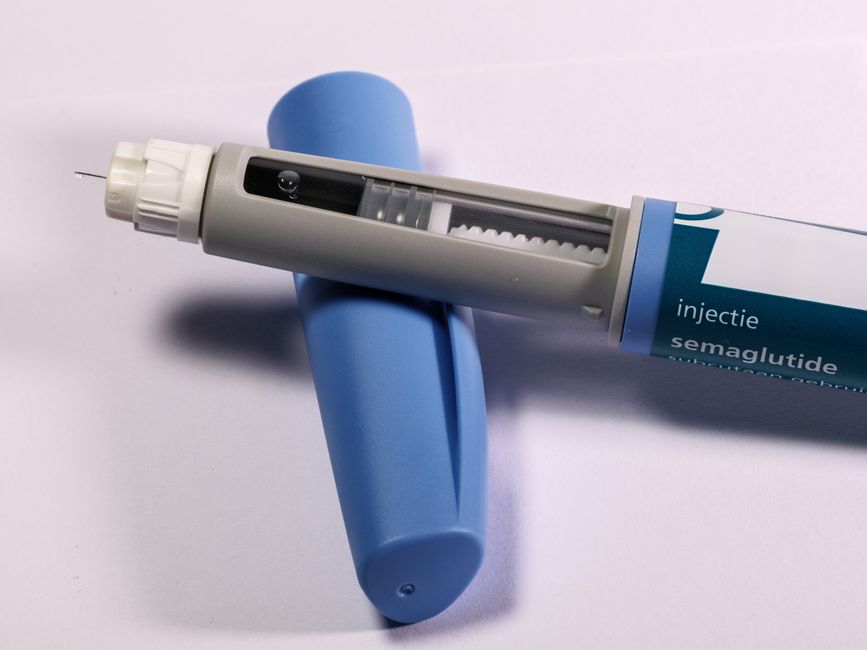
Peptides are short chains of amino acids that act as signaling molecules in the body. They are not a single product but a broad category of compounds that influence everything from skin repair to muscle growth. The honest answer is that some peptides have strong clinical evidence behind them, while many others are sold on marketing hype with little human research to back the claims.
What Exactly Are Peptides and How Do They Work?
Peptides are the smaller cousins of proteins. Proteins are long chains of amino acids, while peptides are shorter chains — typically under 50 amino acids long. Your body naturally produces thousands of different peptides, each with a specific job.
Some act like hormones, telling cells to do something. Others signal inflammation, promote healing, or regulate metabolism. When you apply a peptide cream to your skin or take a peptide supplement, the idea is that these signaling molecules can trigger a specific response in your body.
The key difference between peptides and proteins matters for absorption. Because peptides are smaller, they can sometimes penetrate the skin or be absorbed more easily than full proteins. Collagen peptides, for example, are broken-down collagen that your body can absorb more readily than intact collagen from food.
But here is the critical point: not all peptides work the same way. A peptide that works as an injectable medication is completely different from a peptide in a topical serum. The route of administration changes everything about how it works.
Do Peptides Really Work for Skin and Anti-Aging?
Some peptides have meaningful evidence for skin benefits. Copper peptides, for example, have been studied for their role in wound healing and collagen production. Research has shown they can help stimulate collagen synthesis and support skin repair processes.
Matrixyl and other matrikine peptides are another category with published research. These peptides signal skin cells to produce more collagen and elastin. Several studies have shown improvements in fine lines and skin texture with consistent use over several weeks.
The catch is that skin penetration is limited. Peptides are water-soluble molecules, and the skin’s outer layer is designed to keep water out. Most peptide creams use delivery systems — like liposomes or specially formulated carriers — to help peptides get deeper into the skin.
What the evidence does not support is the idea that any topical peptide can reverse significant aging or replace procedures like laser treatments or injectables. The improvements seen in studies are generally modest. You might notice smoother skin and softer fine lines, but you should not expect dramatic transformation.
Some research suggests that collagen peptide supplements taken orally can improve skin elasticity and hydration. A review of clinical trials found consistent improvements in skin hydration and elasticity with daily collagen peptide supplementation. The effect is real but modest, and it takes weeks to months of consistent use to see changes.
Can Peptides Build Muscle and Improve Athletic Performance?
This is where the evidence gets complicated. Certain peptides — like growth hormone releasing peptides and ipamorelin — stimulate the body’s natural growth hormone production. These are prescription medications in some countries and are used under medical supervision for specific conditions.
In the fitness world, these peptides are used off-label to build muscle, burn fat, and speed recovery. The research on growth hormone itself shows it can increase lean body mass, but the effects on actual strength and athletic performance are less clear. Some studies show modest benefits while others show no improvement in performance measures.
There is a significant difference between what bodybuilders report anecdotally and what clinical trials show. Anecdotal reports of dramatic muscle growth are not supported by controlled research. The effects are generally subtle and take time to appear.
It is also important to understand that peptides affecting growth hormone are not approved for muscle building by any regulatory agency. They are approved for specific medical conditions like growth hormone deficiency. Using them for athletic purposes is off-label and carries real risks.
Potential side effects include increased hunger, water retention, joint pain, and changes in blood sugar levels. Long-term safety data for healthy people using these peptides for performance is simply not available.





Are Peptide Supplements Safe?
Safety depends entirely on the specific peptide and how it is taken. Topical skin peptides have a good safety profile. They are generally well-tolerated, with mild irritation being the most common side effect. Oral collagen peptides are also considered safe for most people, though the evidence for their benefits is stronger for skin than for joints.
Injectable peptides are a different situation entirely. These are powerful compounds that affect your hormonal system. They should only be used under medical supervision. The products sold online as research chemicals or for “wellness” purposes are not regulated for safety or purity.
A major concern is that many peptide products sold online are not what they claim to be. A study that tested commercial peptide products found that many contained incorrect peptides, incorrect doses, or contaminants. You have no way of knowing what you are actually injecting when you buy from an unregulated source.
There is also the risk of infection with injectable products. Non-sterile preparations can cause serious infections at the injection site. Some have been linked to more severe complications.
If you are considering peptide therapy, the safest approach is to work with a qualified healthcare provider. They can assess whether a specific peptide is appropriate for your situation and monitor you for side effects.
What Are the Most Common Types of Peptides?
Understanding the different categories helps clarify what evidence exists for each.
- Collagen peptides — broken-down collagen from animal sources. Best evidence exists for skin elasticity and hydration. Some evidence for joint discomfort, but results are mixed.
- Copper peptides — support wound healing and collagen production. Used in skin care for anti-aging. Moderate evidence for skin benefits.
- Signal peptides — like Matrixyl, tell skin cells to produce more collagen. Found in many anti-aging cosmetics.
- Growth hormone peptides — like ipamorelin and GHRP-6, stimulate growth hormone release. Prescription-only medications, used off-label for performance.
- Antimicrobial peptides — help fight bacteria. Mostly in research stages for therapeutic use.
- Botox-like peptides — synthetic peptides that mimic the effects of botulinum toxin to relax facial muscles. Limited evidence for effectiveness compared to actual Botox injections.
Each category has different evidence strength. Collagen and copper peptides have the most published research. Growth hormone peptides have evidence for their intended medical use but not for the fitness applications they are marketed toward.
How Long Does It Take for Peptides to Show Results?
Timelines vary by peptide type and what you are trying to achieve. For skin peptides, most studies show visible improvements after 8 to 12 weeks of consistent daily use. You will not see results overnight. Skin turnover takes time, and collagen production is a slow process.
Oral collagen peptides for skin also follow a similar timeline. Studies typically measure outcomes at 8 to 12 weeks. Some people notice changes sooner, but the clinical evidence is based on longer-term use.
For injectable growth hormone peptides, the timeline depends on the goal. Changes in body composition typically take several months. Some people report improved sleep and recovery within weeks, but these are subjective reports rather than measured clinical outcomes.
One important note: if a product promises dramatic results in days, that is a red flag. Legitimate peptide products produce gradual changes. Fast results usually mean the product contains something other than peptides — or nothing at all.
Do Peptides Interact With Medications or Other Supplements?
There is limited research on peptide interactions with other substances. This is another area where evidence is thin and caution is warranted. Growth hormone peptides can affect blood sugar levels, so people taking diabetes medications need medical supervision.
Topical peptides are unlikely to interact with oral medications because they are not absorbed into the bloodstream in significant amounts. The risk is minimal for skin care products.
Oral collagen peptides are generally considered safe with other supplements, but no large studies have specifically examined interactions. If you take multiple supplements, it is reasonable to discuss your full regimen with a healthcare provider.
For injectable peptides, the interaction risk is higher because these compounds affect your endocrine system. Combining them with other hormones or performance-enhancing drugs is not studied and could be dangerous.
Frequently Asked Questions
Are peptides safe to take every day?
Topical skin peptides and oral collagen peptides are generally safe for daily use based on current evidence. Injectable peptides that affect hormones should only be used under medical supervision, and daily use requires careful monitoring.
Can peptides cause weight loss?
Some growth hormone peptides may influence metabolism and fat loss, but the evidence is not strong enough to recommend them for weight loss. No peptide has been approved for weight management, and lifestyle changes remain the evidence-based approach.
Do I need a prescription for peptides?
Topical skin peptides and oral collagen supplements do not require a prescription. Injectable peptides that affect growth hormone are prescription medications in most countries and should not be purchased without one.
How long do peptide results last after stopping?
For skin peptides, benefits gradually fade over weeks to months after you stop using them because collagen production returns to its baseline rate. For injectable peptides, the effects depend on what the peptide was doing and how long you used it.
