
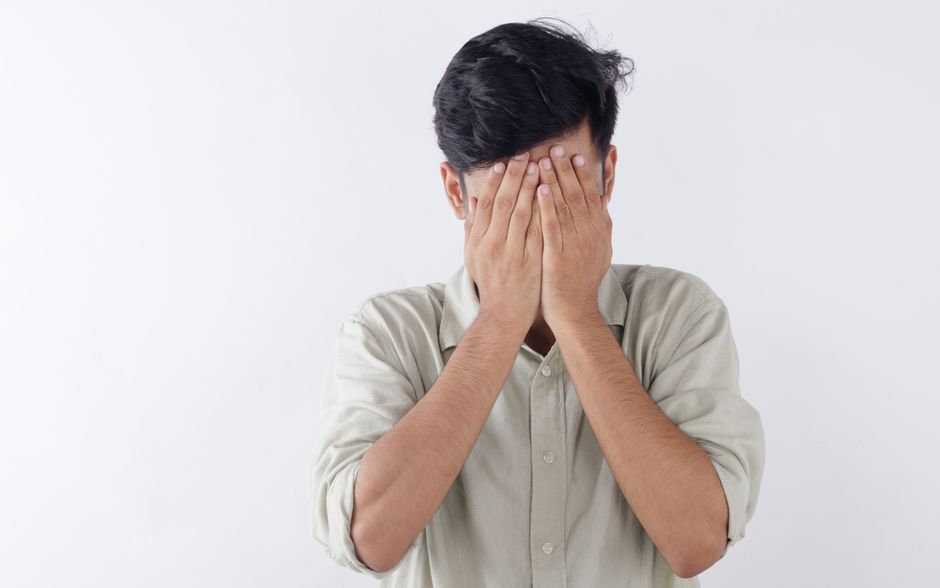
Stress does not directly create kidney stones. Stones form when minerals and salts in urine become concentrated enough to crystallize, and that process is driven mainly by hydration, diet, and individual metabolism. What stress can do is change the behaviors and body chemistry that make stone formation more likely.
Does Stress Cause Kidney Stones?
No study has shown that psychological stress directly causes kidney stones. The stones themselves are a physical and chemical problem, not an emotional one.
But stress is not irrelevant. It influences several of the factors that do drive stone formation. People under heavy stress often drink less water, eat differently, sleep poorly, and move less. Each of those can shift the balance of minerals in urine toward crystallization.
So the honest answer sits in the middle. Stress is not a cause in the way that dehydration or a genetic condition is a cause. It is a contributor that works through other channels.
How Do Kidney Stones Actually Form?
Urine is mostly water. The rest is dissolved waste, including calcium, oxalate, uric acid, phosphate, and citrate. When urine is dilute, these substances stay dissolved and pass out of the body without trouble.
When urine becomes concentrated, the dissolved minerals can link up and form crystals. Over time, crystals can grow into a solid stone. This is why low urine volume is the single most consistent risk factor across stone types.
Most stones are made of calcium oxalate. Others form from calcium phosphate, uric acid, struvite, or cystine. The type matters because it changes what prevention looks like.
Several conditions raise the risk of stones forming:
- Drinking too little fluid, especially in hot climates or during heavy sweating
- A diet high in sodium, which increases calcium in urine
- A diet low in calcium, which paradoxically raises oxalate absorption
- Obesity and insulin resistance
- Certain medical conditions, including gout, hyperparathyroidism, and some intestinal diseases
- A family history of stones
- Some medications, including certain diuretics and high-dose vitamin C
Notice what is not on that list. Stress appears nowhere as a direct mechanism. It shows up indirectly, through the behaviors and conditions around it.
How Could Stress Raise the Risk Indirectly?
The link between stress and stones is behavioral and hormonal, not mechanical. Stress does not put calcium into your urine. It changes what you do and how your body regulates fluid.
Here is the physiology. When you are stressed, your body releases cortisol and other stress hormones. These hormones can affect how the kidneys handle water and sodium. Stress also triggers the release of vasopressin, the hormone that tells your kidneys to hold onto water. That is a normal response, but it means less urine is produced, and what is produced is more concentrated.
Concentrated urine is exactly the environment where crystals form.
The bigger effect is usually behavioral. Under stress, people tend to:
- Drink less water and more coffee, soda, or alcohol
- Skip meals or eat more processed and salty food
- Sleep poorly, which affects appetite and hydration habits
- Delay using the bathroom, holding urine longer
Each of these nudges urine chemistry toward stone formation. None of them is dramatic on its own. Combined over months, they can matter.
One clarification worth making: the idea that stress “causes” stones often comes from people noticing that a painful stone appeared during a stressful period. That timing is real, but it reflects when symptoms showed up, not when the stone formed. Stones can take weeks to months to develop before they cause any pain.




Can Stress Make an Existing Stone Worse?
Stress does not make a stone grow faster, and it does not make a stone sharper or larger. Once a stone exists, its size and position are physical facts.
What stress can do is affect how much pain you feel and how you cope with it. Pain perception is influenced by anxiety, sleep, and emotional state. People who are highly stressed often report more intense pain from the same physical problem.
Stress can also affect muscle tension. The ureter, the tube that carries urine from the kidney to the bladder, is a muscular structure. Tension and anxiety do not directly control it, but they can shape how a person experiences the cramping waves that push a stone along.
If you are passing a stone and feeling overwhelmed, that is not a sign the stone is worse. It is a sign your nervous system is under load. Pain control and hydration remain the priorities, and a doctor can help with both.
What Actually Reduces Kidney Stone Risk?
Fluid intake is the most reliable lever. Drinking enough water to produce pale, dilute urine lowers the concentration of stone-forming minerals. For most adults, that means aiming for roughly 2.5 to 3 liters of fluid a day, though needs vary with climate, activity, and medical history.
Diet changes matter too, and some are counterintuitive:
- Get enough calcium from food. Low dietary calcium raises oxalate absorption and can increase stone risk.
- Limit sodium. High sodium pulls calcium into urine.
- Moderate animal protein, which can raise uric acid and lower citrate.
- Limit high-oxalate foods only if your doctor advises it, since restriction is not right for everyone.
Managing stress is worth doing for its own sake. It supports sleep, blood pressure, and mental health. Whether it lowers stone risk specifically is not established by strong evidence. The reasonable position is that reducing stress helps you stick to the habits that do lower risk.
If you have had more than one stone, ask your doctor about a 24-hour urine test. It measures volume, calcium, oxalate, citrate, and other factors. That information guides treatment far better than general advice.
When Should You See a Doctor?
Kidney stones can be a medical emergency. Seek care right away if you have severe pain in your back or side that comes in waves, blood in your urine, fever, chills, nausea that will not stop, or trouble urinating.
Fever with flank pain is especially concerning. It can signal an infection behind a blocked kidney, which needs urgent treatment.
For less severe symptoms, see a doctor if you have ongoing pain, a history of stones, or a single kidney. Do not wait to see if it passes on its own if the pain is severe or you feel unwell.
Stress is a real part of life and a real part of health. It deserves attention. But when it comes to kidney stones, the evidence points to hydration, diet, and metabolism as the forces that matter most.
Frequently Asked Questions
Does stress cause kidney stones?
Stress does not directly cause kidney stones, but it can raise risk indirectly by reducing water intake and changing diet and sleep habits. The stones themselves form from concentrated urine, not from stress itself.
Can anxiety cause kidney stones?
Anxiety is not a known direct cause of kidney stones. It may contribute through the same indirect routes as stress, such as poor hydration and disrupted eating patterns.
How do I prevent kidney stones if I am stressed?
Focus on drinking enough water to keep urine pale and dilute, and limit sodium. These habits lower risk regardless of your stress level, and they are the most reliable steps supported by evidence.
Can stress make kidney stone pain worse?
Stress does not change the size or position of a stone, but it can affect how intense pain feels. Anxiety and poor sleep can make the same physical problem feel worse.
