
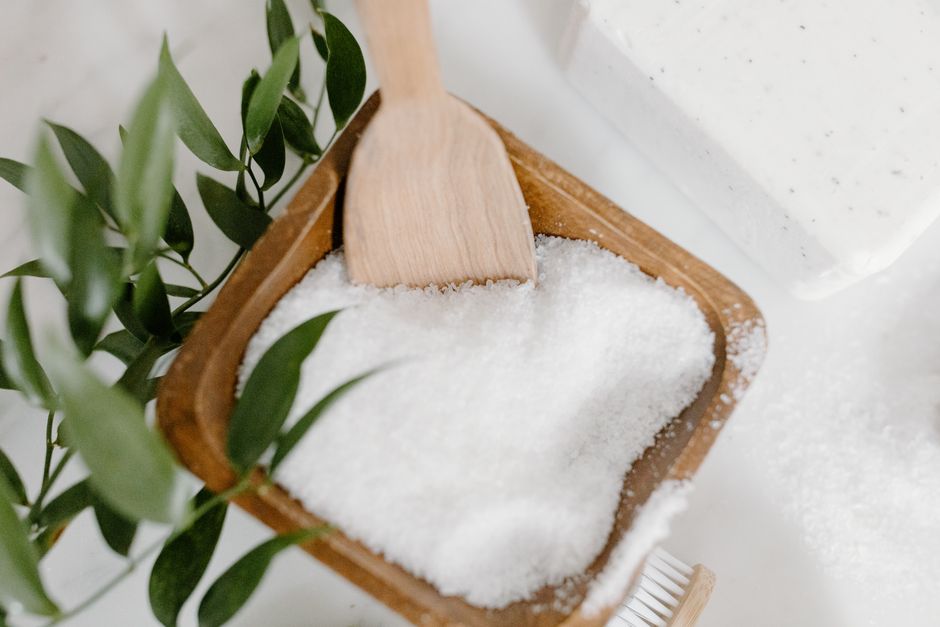
Salt can damage wood. It draws moisture out of the wood, which causes cracking, warping, and splitting. Salt also leaves behind white stains and can speed up the rotting process when wood stays damp. You can clean salt-affected wood with a mild vinegar solution and protect it by sealing it properly and keeping it dry.
How Does Salt Actually Damage Wood?
Salt damages wood through a few different mechanisms. The most common is moisture absorption. Salt is hygroscopic, meaning it pulls water from the air and from the wood itself. When salt sits on a wood surface, it draws moisture out of the wood fibers. This causes the wood to dry out unevenly, leading to cracks and splits.
Salt also causes problems when it gets wet. When salt dissolves in water and soaks into wood, it leaves salt crystals behind as the water evaporates. These crystals expand and contract with changes in humidity. Over time, this movement breaks down the wood’s internal structure. The result is a weakened, crumbly surface.
On outdoor wood, salt accelerates decay. Salt attracts and holds moisture against the wood surface. That constant dampness creates ideal conditions for fungi and bacteria that rot wood. This is why wooden decks, docks, and outdoor furniture near the ocean fail faster than the same wood in drier climates.
What Does Salt Damage Look Like?
Salt damage has a few telltale signs. The most obvious is a white, powdery residue on the wood surface. This is salt crystallization after water has evaporated. It often appears in streaks or patches, especially in grain lines and crevices.
Beyond the white film, look for cracking and splitting. Salt-damaged wood develops fine hairline cracks that grow wider over time. The wood may also feel rough or fuzzy to the touch, even if it was previously sanded smooth. In severe cases, the surface becomes pitted and soft in spots.
On outdoor wood, check for signs of rot. Soft spots, discoloration, and a musty smell all point to fungal decay. Salt alone does not cause rot, but it creates the damp conditions that allow rot to take hold.
How To Clean Salt Off Wood
Cleaning salt off wood works best when you act quickly. The longer salt sits, the deeper it penetrates. Start by brushing off any loose, dry salt with a stiff brush. This removes the surface layer before it has a chance to dissolve and soak in further.
For the next step, mix a solution of one part white vinegar to three parts water. Vinegar is mildly acidic, which helps dissolve salt crystals. Dampen a soft cloth with the solution and wipe the wood surface. Do not soak the wood — excessive moisture causes its own problems.
After wiping, go over the surface with a clean, dry cloth to remove excess liquid. Let the wood air dry completely. This can take 24 to 48 hours depending on humidity and ventilation. Do not use heat to speed up drying, as this can cause the wood to crack.
For heavily salt-crusted wood, you may need to repeat the process. If the white residue remains after two or three cleanings, the salt has penetrated deeper into the wood. At that point, sanding is the most effective option. Use medium-grit sandpaper to remove the stained surface layer, then finish with fine-grit for a smooth result.





How To Protect Wood From Salt Damage
Protection starts with a good sealant. Sealing wood creates a barrier that keeps salt and moisture out. The best option depends on where the wood lives.
For indoor wood, a polyurethane or lacquer finish provides strong protection. These form a hard, clear coating that resists moisture and is easy to clean. Apply two to three thin coats, sanding lightly between each coat. This gives the best durability.
For outdoor wood, use a marine-grade sealant or exterior wood sealer. These products are formulated to withstand sun, rain, and salt exposure. Reapply them regularly — most outdoor sealants need a fresh coat every one to two years. Check the manufacturer’s instructions for specific timelines.
Oil-based sealants like tung oil or linseed oil also help. They penetrate the wood and repel water from within. However, they are less durable than film-forming sealants and need more frequent reapplication. They are a reasonable choice for decorative pieces but not ideal for high-traffic surfaces.
Beyond sealing, reduce salt exposure where possible. If you live near the coast, rinse outdoor wood furniture with fresh water regularly. This washes away salt deposits before they can do damage. A simple hose rinse once a week makes a meaningful difference.
Can You Reverse Salt Damage?
Mild salt damage can be reversed. Surface stains and light crystallization clean off easily with the vinegar solution described above. Once the salt is removed and the wood is dry, apply a fresh sealant to restore protection.
Moderate damage — shallow cracks and rough surfaces — requires sanding. Remove the damaged outer layer, then reseal the wood. This restores the appearance and function in most cases.
Severe damage is harder to fix. If wood has deep cracks, soft spots, or visible rot, cleaning and sanding will not bring it back. The structural integrity is already compromised. In these cases, the safest option is to replace the damaged wood. Trying to repair severely rotted wood is rarely worth the effort, especially for load-bearing structures like decks or railings.
For valuable pieces, a professional woodworker may be able to stabilize damaged wood with epoxy resins. This is a specialized repair technique that injects resin into cracks and soft areas to restore strength. It is effective but costly, so it makes sense mainly for furniture or architectural details with sentimental or financial value.
Does Salt Damage Wood Faster Than Water?
Salt water damages wood faster than fresh water in most cases. This is because salt water holds more moisture against the wood and leaves behind corrosive salt crystals as it dries. Fresh water evaporates cleanly, while salt water leaves residue that continues to cause problems.
Salt also breaks down some finishes faster than fresh water. The salt crystals act like tiny abrasives under foot traffic, wearing away protective coatings. Once the finish is compromised, moisture and salt penetrate the wood more easily, accelerating the damage cycle.
That said, plain water is still damaging to wood over time. Wood is porous and absorbs moisture, which causes swelling, warping, and rot. The key difference is that salt water accelerates the process and adds crystal damage on top of moisture damage. Neither is good for wood, but salt water is clearly worse.
Best Practices For Wood Near Salt Water
If you live near the ocean or keep wood in a saltwater environment, follow these practices to extend its life.
Choose the right wood from the start. Naturally rot-resistant species like cedar, redwood, and teak handle salt exposure better than pine or fir. These woods contain natural oils that repel moisture and resist decay. They cost more upfront but last significantly longer in coastal environments.
Elevate wood off the ground. Direct contact with soil or concrete traps moisture against the wood, creating a perfect environment for rot. Use concrete footings, gravel, or rubber pads to keep wood raised and allow air circulation underneath.
Inspect regularly. Look for cracks, peeling finish, and soft spots. Catching problems early makes repairs simpler and cheaper. A quick monthly check catches most issues before they become serious.
Reapply sealant on schedule. Do not wait for the finish to look worn before recoating. By the time you can see the damage, moisture has already penetrated the wood. Follow the manufacturer’s recommended reapplication interval, even if the wood still looks good.
Frequently Asked Questions
Will vinegar damage wood when cleaning salt off?
Diluted vinegar is safe for most finished wood. Always test on a small, hidden area first and dry the surface thoroughly afterward to prevent moisture damage.
How often should I seal outdoor wood near the ocean?
Most exterior sealants need reapplication every one to two years in coastal environments. Check the product label and inspect the wood’s finish regularly for signs of wear.
Can I use bleach to remove salt stains from wood?
Bleach is not recommended for salt removal. It can discolor wood and damage finishes. A mild vinegar and water solution is safer and equally effective for dissolving salt crystals.
Is pressure-treated wood resistant to salt damage?
Pressure-treated wood resists rot and insects better than untreated wood, but it is not fully immune to salt damage. Sealing it with a suitable exterior finish still provides important protection.
