

Does coconut oil kill bacteria in your mouth? The short answer is yes, in a laboratory dish. Coconut oil contains lauric acid, a fatty acid that has demonstrated antibacterial activity against several oral bacteria in lab studies. Whether swishing coconut oil in your mouth for 10 to 20 minutes does the same thing in a living human mouth is a different question, and the evidence there is much weaker.
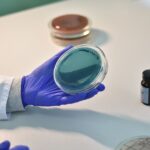
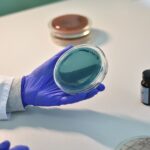
The confusion comes from mixing up two very different settings. A petri dish is not your mouth. Your saliva, your existing oral bacteria, and the physical act of swishing all change what actually happens.
What Makes Coconut Oil Potentially Antibacterial?
About half the fat in coconut oil is lauric acid. When researchers test lauric acid against bacteria in a lab, it disrupts bacterial cell membranes and kills certain strains. This has been shown against Streptococcus mutans, one of the main bacteria involved in tooth decay, along with several other oral species.
The mechanism is real. Lauric acid inserts itself into the bacterial membrane and increases its permeability, which causes the cell to leak and die. That is established biochemistry.
What is not established is whether this happens inside your mouth at meaningful levels. When you swish oil, lauric acid has to reach bacteria that are embedded in plaque biofilm. Biofilms are structured communities with a protective matrix. Penetrating that matrix is much harder than killing free-floating bacteria in a test tube.
Does Coconut Oil Pulling Actually Reduce Oral Bacteria?
Some clinical studies have measured bacterial counts in saliva before and after oil pulling, and several found reductions. This is real data, not marketing.
But the studies have consistent limitations. They tend to be small. Many lack a proper control group. Some compare oil pulling to chlorhexidine mouthwash and report similar results, which sounds impressive until you look at how the studies were designed.
Here is the part that rarely gets mentioned. Any liquid swished in your mouth for 10 to 20 minutes will mechanically dislodge some bacteria and reduce salivary counts. Water does this. Saline does this. A study showing that oil pulling lowers saliva bacteria compared to doing nothing may be measuring the swishing, not the oil.
The evidence that coconut oil specifically outperforms other oils or plain water for bacterial reduction is limited and mixed. No large, well-controlled trial has confirmed a clear advantage.
Does Oil Pulling Prevent Cavities or Gum Disease?
No clinical evidence currently confirms that oil pulling prevents cavities or gum disease. This is the honest position.
Reducing bacteria in saliva is not the same as preventing disease. Cavities form when acid-producing bacteria demineralize tooth enamel over time. Gum disease involves a complex inflammatory response to biofilm at the gumline. Neither process is reliably stopped by a short-term reduction in salivary bacteria.
Studies that look at actual clinical outcomes like cavity rates or gum inflammation are scarce. The few that exist are small and short. Some clinicians suggest oil pulling as a supplemental practice, but it is not an evidence-based treatment for any oral disease.
The American Dental Association does not recognize oil pulling as a preventive or therapeutic treatment. That position reflects the current state of the evidence, not a bias against natural approaches.


How Does Coconut Oil Compare to Mouthwash?
Chlorhexidine mouthwash has well-documented antibacterial effects and is used clinically for specific conditions like gum inflammation after surgery. It also has known side effects, including tooth staining and taste changes, which is why it is typically used short-term.
Coconut oil does not stain teeth and has no reported serious side effects when used as a swish. But the comparison stops there.
| Method | Antibacterial Evidence | Clinical Outcome Evidence | Known Side Effects |
|---|---|---|---|
| Coconut oil pulling | Some lab and small clinical studies | Limited, no large trials | Rare; upset stomach if swallowed |
| Chlorhexidine mouthwash | Well established | Established for specific conditions | Tooth staining, taste changes |
| Fluoride toothpaste | Not primarily antibacterial | Strong evidence for cavity prevention | None at standard use |
| Brushing and flossing | Mechanical removal of biofilm | Strong evidence for disease prevention | None |
If your goal is reducing bacteria that cause disease, fluoride toothpaste and mechanical cleaning have far stronger evidence behind them than any oil.
Is Oil Pulling Safe?
For most healthy adults, swishing coconut oil for 10 to 20 minutes appears safe based on available reports. The main risk is swallowing it, which can cause nausea or diarrhea. Spitting it into a sink is important because coconut oil can solidify and clog drains.
There is one serious safety concern. Oil pulling should never replace proven dental treatment. There are documented cases of people delaying necessary care for cavities or infections because they believed oil pulling was treating the problem. An untreated dental infection can spread and become a medical emergency.
People with oil allergies should avoid it. Anyone with a diagnosed oral condition should talk to a dentist before adding oil pulling to their routine.
What Actually Works for Oral Bacteria?
Mechanical disruption of plaque biofilm is the most reliable way to reduce harmful oral bacteria. This is well established.
- Brushing twice daily with fluoride toothpaste removes plaque from tooth surfaces
- Flossing or using interdental brushes once daily cleans between teeth where brushes cannot reach
- Limiting sugary drinks and snacks reduces the fuel that acid-producing bacteria use
- Regular dental cleanings remove hardened plaque that home care cannot
These steps have decades of clinical evidence behind them. Oil pulling does not.
If you want to try oil pulling as an addition to your routine, there is no strong evidence it will help, and no strong evidence it will hurt. Just do not let it take the place of things that are proven to work.
Why the Confusion Exists
Lab studies showing lauric acid kills bacteria are real. The leap from that to “coconut oil pulling cures cavities” is where things go wrong.
Biological plausibility is not the same as demonstrated clinical benefit. A substance can kill bacteria in a dish and still fail to prevent disease in a human mouth. This gap is common in medicine and it is why clinical trials matter.
Marketing language often skips that gap. Phrases like “nature’s antibacterial” sound like a conclusion when they are really just a starting point for research that has not yet been done.
Frequently Asked Questions
Does coconut oil pulling kill bacteria in your mouth?
It can reduce some bacteria in saliva, but the effect appears modest and may be partly due to the swishing action rather than the oil itself. No large trial has confirmed it kills harmful oral bacteria at levels that prevent disease.
How long should you swish coconut oil for oil pulling?
Most studies use 10 to 20 minutes, though no official guideline establishes an optimal duration. Shorter times are commonly recommended for beginners to avoid jaw soreness.
Can oil pulling replace brushing your teeth?
No. Brushing with fluoride toothpaste has strong evidence for preventing cavities and gum disease, while oil pulling does not. Oil pulling should never replace proven dental care.
Is oil pulling safe to do every day?
For most healthy adults, daily oil pulling appears safe based on limited reports. The main risks are swallowing the oil, which can cause stomach upset, and delaying real treatment for dental problems.
