
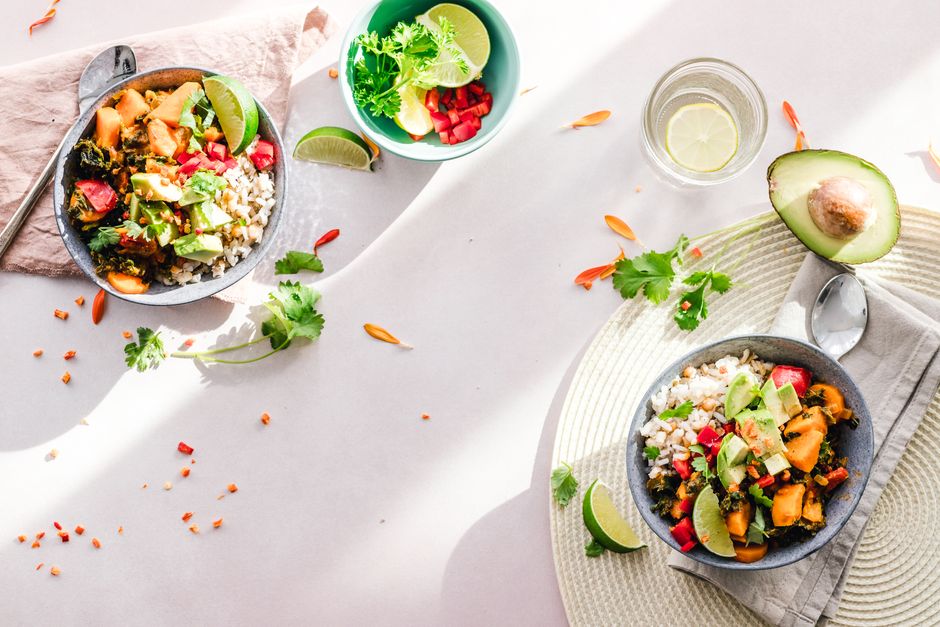
Rice is a staple food for more than half of the world’s population, and yes, it is a high-carbohydrate food. A standard cooked serving of white rice contains roughly 45 grams of carbohydrates per cup, which makes it a significant source of energy and a primary driver of blood sugar levels. However, the full picture involves more than just the total carb count, as the type of rice, how it is cooked, and what you eat with it all change how your body responds.
Does Rice Have A Lot Of Carbs?
Yes, rice is considered a high-carbohydrate food. In a typical serving of one cup of cooked white rice, you get about 45 grams of carbohydrates. That is roughly 15 grams of carbs per one-third cup serving, which is the standard serving size listed on nutrition labels.
Compared to other starches, rice is similar to pasta and bread. It contains very little fat and almost no sugar, but the carbohydrate content is dense. This is why rice is such an efficient energy source for athletes and laborers, but it also requires attention if you are managing blood sugar or weight.
White Rice vs. Brown Rice: What Is The Difference?
The main difference between white and brown rice comes down to processing. Brown rice is a whole grain. It still has the bran and the germ attached, which contain fiber, vitamins, and minerals. White rice has had the bran and germ removed, leaving mostly the starchy endosperm.
That processing changes the nutritional profile. A cup of cooked brown rice has about the same number of total carbohydrates as white rice, but it provides roughly 3.5 grams of fiber compared to about 0.6 grams in white rice. Fiber slows digestion, which means brown rice has a gentler effect on blood sugar levels even though the carb count is nearly identical.
Brown rice also contains more magnesium, phosphorus, and B vitamins than white rice. Many manufacturers enrich white rice to add back some B vitamins and iron, but the fiber content remains low.
How Does Rice Affect Blood Sugar?
Rice has a high glycemic index, which is a measure of how quickly a food raises blood glucose. White rice, in particular, ranks high on this scale. The body breaks down the starch in white rice into glucose rapidly, leading to a quick spike in blood sugar followed by a drop.
Brown rice has a lower glycemic index because its fiber content slows the breakdown of starch. That does not mean brown rice is a low-carb food. It still contains the same amount of total carbohydrate, but the speed of absorption is slower.
The way you cook rice also matters. Cooking rice with extra water and then draining it, or cooling it after cooking, can change its starch structure. When cooked rice is cooled, some of the starch retrogrades into a form called resistant starch. Resistant starch behaves more like fiber, passing through the small intestine undigested. This means cooled rice, such as in sushi or a rice salad, may have a slightly lower impact on blood sugar than freshly cooked hot rice.





Is Rice Bad For Weight Loss?
Rice is not inherently fattening, but it is calorie-dense and easy to overeat. A single cup of cooked white rice contains about 200 calories, and most people eat more than one cup in a sitting. The issue is portion control, not the rice itself.
Research consistently shows that dietary patterns high in whole grains, including brown rice, are associated with lower body weight and reduced risk of obesity. The same cannot be said for refined grains like white rice, which are linked to weight gain when consumed in large amounts. Studies that replaced white rice with brown rice found modest improvements in weight and metabolic health, but the total calorie intake remained the deciding factor.
If you are trying to lose weight, you do not need to eliminate rice. You need to manage portion sizes and consider choosing brown rice more often. A serving of rice should be about the size of your fist or roughly half a cup to one cup depending on your total daily energy needs.
What About Rice And Type 2 Diabetes?
The relationship between rice consumption and type 2 diabetes is well studied, and the evidence points in a clear direction. High consumption of white rice is associated with an increased risk of developing type 2 diabetes. Research published in the British Medical Journal analyzed data from multiple studies and found that each additional daily serving of white rice raised the risk of type 2 diabetes by about 11 percent.
Brown rice, on the other hand, has been associated with a lower risk. The same analysis found that replacing white rice with brown rice could reduce diabetes risk. The mechanism is straightforward: the rapid glucose spike from white rice demands a large insulin response, and over time, that pattern contributes to insulin resistance.
For people who already have diabetes, rice can still fit into a meal plan, but it requires attention. Pairing rice with protein, healthy fats, and non-starchy vegetables slows digestion and blunts the blood sugar response. The order of eating also matters. Eating vegetables and protein before the rice can reduce the post-meal glucose spike significantly.
How Much Rice Is A Reasonable Serving?
Standard dietary guidelines define a serving of cooked rice as one-third cup, which contains about 15 grams of carbohydrates. That is smaller than what most Americans eat. A typical restaurant serving can easily be two to three cups, which translates to 90 to 135 grams of carbohydrates in a single meal.
For a person eating 2000 calories per day, the Dietary Guidelines for Americans recommend that carbohydrates make up 45 to 65 percent of total calories. That amounts to 225 to 325 grams of carbs per day. A single cup of rice uses up a significant portion of that allowance.
A more practical serving for most adults is half a cup to one cup of cooked rice. That provides 22 to 45 grams of carbohydrates, which is reasonable for a meal that also includes protein and vegetables. If you are active, you may tolerate more. If you are sedentary or managing blood sugar, you may need less.
Are There Healthier Alternatives To Rice?
Several alternatives offer lower carbohydrate content or better nutritional profiles. Cauliflower rice is the most popular low-carb substitute, providing about 5 grams of carbohydrates per cup. It is not a grain, so the texture and taste differ, but it absorbs sauces and seasonings well.
Other whole grains like quinoa, barley, and farro provide more fiber and protein than white rice. Quinoa contains about 39 grams of carbs per cooked cup but also offers 8 grams of protein and 5 grams of fiber. Barley is particularly high in fiber, with about 6 grams per cooked cup, making it an excellent choice for blood sugar management.
Shirataki noodles, made from konjac root, are extremely low in carbohydrates, containing less than 3 grams per serving. They are almost pure water and fiber, but they have a distinct texture that not everyone enjoys.
Legumes like lentils and chickpeas can also replace rice in many dishes. They are higher in carbohydrates than cauliflower rice but lower than white rice, and their fiber and protein content make them far more filling and gentler on blood sugar.
Does Cooking Method Change Carb Content?
The total carbohydrate content of rice does not change with cooking method, but the way your body processes those carbs can change. The resistant starch concept is important here. When cooked rice is cooled for 12 to 24 hours, the starch molecules reorganize into a more compact structure that resists digestion.
This means cooled or reheated rice has a lower glycemic response than freshly cooked rice. Research has shown that the resistant starch content of rice increases significantly after cooling. Reheating the rice does not completely undo this effect, so leftover rice can actually be a better choice for blood sugar control than freshly cooked rice.
This effect is real but modest. It does not turn rice into a low-carb food. It simply means the carbohydrate is absorbed more slowly, producing a smaller blood sugar spike.
Frequently Asked Questions
Is rice a high carbohydrate food?
Yes, rice is a high-carbohydrate food. One cup of cooked white rice contains about 45 grams of carbohydrates, while brown rice contains a similar amount with more fiber.
Is brown rice lower in carbs than white rice?
No, brown rice has roughly the same number of total carbohydrates as white rice. The difference is that brown rice contains more fiber, which slows digestion and reduces the blood sugar spike.
Can I eat rice if I have diabetes?
Yes, but portion control and pairing matter. Eating rice alongside protein, fat, and vegetables slows digestion, and choosing brown rice or cooled rice can reduce the blood sugar impact.
Is rice or bread better for weight loss?
Neither is inherently better. Both are calorie-dense carbohydrate sources, and weight loss depends on total calorie intake. Brown rice and whole-grain bread are generally better choices than their refined versions.
