
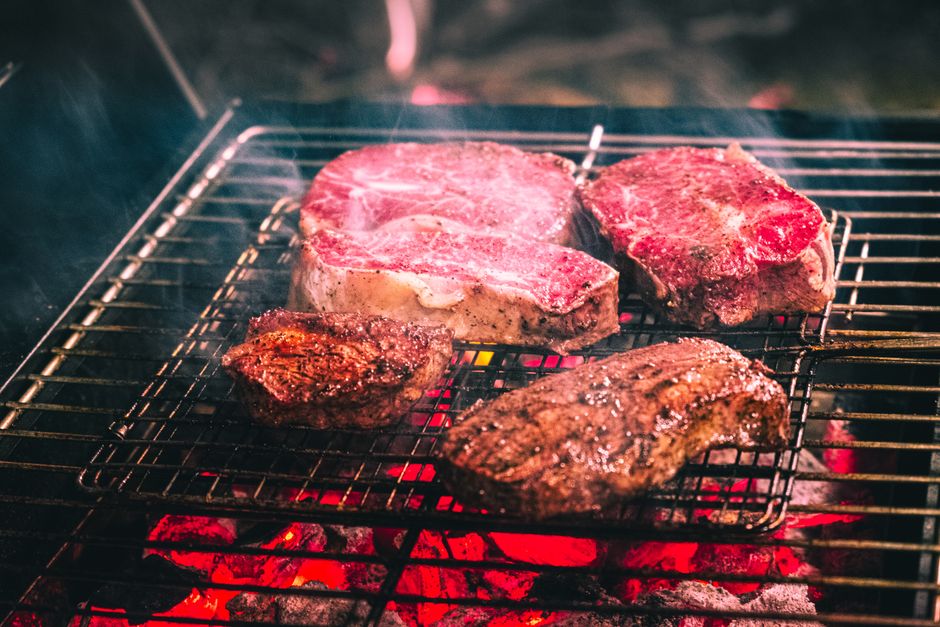
Feeling sleepy after a steak dinner is common, and it usually has nothing to do with the meat itself. The tiredness most people notice after eating red meat comes mainly from the size and fat content of the meal, the release of digestive and satiety hormones, and the way blood flow shifts toward the gut during digestion. In rare cases, a specific medical condition can make red meat harder to process, but for most people this is ordinary post-meal drowsiness, not a sign that beef is doing something unusual to the body.
Does Red Meat Make You Tired After Eating?
Red meat does not contain a sedative. There is no compound in beef that directly switches on sleepiness.
What happens instead is a chain of normal digestive events. A large meal — especially one high in fat and protein — takes longer to break down than a light one. The stomach empties more slowly. The gut releases hormones that signal fullness and quiet the digestive tract. Blood flow increases to the stomach and intestines to support that work. Many people experience this as heaviness, warmth, and a strong urge to rest.
Red meat tends to sit at the center of this because a typical serving is large, fatty, and protein-dense. A 3-ounce serving of cooked beef provides roughly 25 grams of protein and varies widely in fat depending on the cut. That combination is what makes a steak dinner feel different from a salad, not a property unique to red meat.
Why Do You Feel Sleepy After a Big Meal?
Post-meal sleepiness has a name — postprandial somnolence — and it is a well-documented physiological response. It is not a disorder in itself.
Several things drive it:
- Parasympathetic activation. After eating, the nervous system shifts toward “rest and digest” mode. Heart rate and blood pressure can dip slightly. That shift promotes relaxation.
- Hormonal signals. The gut releases hormones such as cholecystokinin and glucagon-like peptide-1 in response to fat and protein. These slow stomach emptying and signal satiety. Some research suggests they also influence areas of the brain involved in sleep regulation.
- Blood flow redistribution. More blood goes to the digestive tract and less to skeletal muscle. This is normal and does not starve the brain of blood, a common myth.
- Meal size and composition. Larger meals, higher fat content, and higher calorie loads all tend to increase drowsiness.
The old idea that tryptophan in turkey or beef makes you sleepy is oversimplified. Tryptophan is an amino acid that the body uses to make serotonin and melatonin, but it is present in many foods, and eating protein actually delivers other amino acids that compete with tryptophan for entry into the brain. The drowsiness after a holiday meal is better explained by total calories, fat, alcohol, and the sheer volume of food than by tryptophan alone.
Is Red Meat Harder to Digest Than Other Foods?
Red meat is not inherently hard to digest for a healthy person, but it does take longer than many other foods.
Protein and fat both slow gastric emptying compared with carbohydrates. Beef also contains connective tissue, and tougher cuts require more mechanical and chemical breakdown. Well-cooked, tender meat is easier on the stomach than a tough, gristly cut. Fat content matters too — a fatty ribeye will sit in the stomach longer than a lean sirloin.
This slower digestion is not a problem. It is why a steak keeps you full for hours. But it also explains why a heavy red meat meal can leave you feeling sluggish rather than light and ready to move.
If you regularly feel unusually heavy, bloated, or exhausted after eating red meat — more than after other similar meals — that pattern is worth mentioning to a doctor rather than assuming it is normal.





When Tiredness After Red Meat Is a Medical Sign
For a small number of people, fatigue after eating red meat points to a specific condition. This is uncommon, and it usually comes with other symptoms.
Alpha-gal syndrome is a tick-borne allergy to a sugar found in mammalian meat. It is linked to bites from the lone star tick, which is found in parts of the United States. Reactions are often delayed by several hours after eating, and symptoms can include hives, stomach upset, and in serious cases a drop in blood pressure. Fatigue alone is not typical, and this condition is diagnosed by a doctor, not self-assessed.
Iron overload is another possibility. Hereditary hemochromatosis causes the body to absorb too much iron. Early symptoms are often vague and include fatigue and joint pain. Because red meat is rich in heme iron, people with this condition may be advised to limit it. This is a diagnosed genetic condition, not something to suspect from tiredness alone.
Red meat allergy in the classic sense — immediate hives or throat swelling — is different from alpha-gal and typically appears within minutes to a couple of hours.
None of these should be assumed. If fatigue after eating is consistent, severe, or paired with rash, breathing changes, or digestive symptoms, that is a reason to see a clinician.
What Else Could Be Making You Tired After Eating?
Red meat often gets blamed for something else on the plate or in the day.
Common contributors include:
- Portion size. A large meal of any kind triggers drowsiness.
- Alcohol. Even one drink with dinner can increase fatigue.
- Refined carbohydrates. Bread, potatoes, and dessert can add to the effect.
- Time of day. The natural circadian dip in early afternoon overlaps with lunch for many people.
- Poor sleep the night before. Tiredness after eating is often just tiredness.
- Blood sugar swings. In people with diabetes or prediabetes, post-meal fatigue can reflect glucose changes.
If you swap a steak for chicken and feel the same way, the meat was probably never the issue.
How to Reduce Sleepiness After a Red Meat Meal
There is no way to eliminate post-meal drowsiness entirely, but a few practical changes can soften it.
- Keep portions moderate rather than oversized.
- Choose leaner cuts and trim visible fat.
- Pair meat with vegetables and fiber rather than heavy starches.
- Skip or limit alcohol with the meal.
- Take a short walk afterward. Light movement supports digestion and can reduce the heavy feeling.
- Eat earlier in the evening if late meals disrupt your sleep.
None of these are treatments for a medical condition. They are ordinary adjustments that most people find helpful.
Does Red Meat Affect Energy Levels Over Time?
Red meat is a source of iron, zinc, vitamin B12, and complete protein — nutrients the body needs for normal energy metabolism. Iron deficiency anemia causes fatigue, and red meat is one of the most absorbable dietary sources of heme iron.
That does not mean eating more red meat boosts energy in people who are not deficient. For someone with normal iron stores, adding red meat does not increase energy. The benefit shows up mainly when a deficiency exists and is corrected.
Higher red meat intake, particularly processed red meat, has been associated with increased risk of cardiovascular disease and some cancers in large observational studies. Those findings come with the usual limits of observational research — they show associations, not proof of cause. The general direction from major health bodies is to favor moderation and to emphasize plant proteins, fish, and poultry alongside lean red meat rather than relying on red meat heavily.
So the honest picture is this: red meat can support normal energy if you are deficient in what it provides, and it can make you feel sleepy after a big meal for reasons that have nothing to do with the meat being harmful.
Does Red Meat Make You Tired Because of Tryptophan?
This is one of the most repeated explanations, and it is mostly wrong.
Tryptophan is an essential amino acid and a precursor to serotonin and melatonin. Red meat contains it. But so do poultry, eggs, dairy, fish, and many plant foods. Eating a protein-rich meal delivers tryptophan along with other large neutral amino acids that compete for the same transporter into the brain. The result is that brain tryptophan does not rise much after a protein meal.
What does raise brain tryptophan is a carbohydrate-rich meal, because insulin clears competing amino acids from the blood while leaving tryptophan relatively higher. That is the opposite of what most people assume.
The takeaway: tryptophan is real and important, but it is not a good explanation for why you feel sleepy after a steak.
Frequently Asked Questions
Does red meat make you tired after eating?
Yes, a large or fatty red meat meal can make you feel sleepy, but the cause is meal size, fat content, and normal digestive hormones rather than anything unique to beef. A small, lean portion is much less likely to cause drowsiness.
Why do I get so sleepy after eating steak?
Steak is high in protein and fat, which slows stomach emptying and triggers satiety hormones that promote relaxation. Blood flow also shifts toward the digestive tract during digestion, adding to the heavy, tired feeling.
Can a red meat allergy cause fatigue?
Alpha-gal syndrome, a tick-linked allergy to mammalian meat, can cause delayed reactions that include stomach upset and fatigue, though hives and other symptoms are more typical. Fatigue alone is not enough to suggest this condition, and it requires medical testing to diagnose.
Is it normal to feel tired after every meal?
Mild sleepiness after eating is normal, especially after large or heavy meals. If fatigue is severe, happens after every meal, or comes with other symptoms, it is worth discussing with a doctor.
