
Yes, scalp psoriasis can cause temporary hair loss, but the condition itself does not permanently damage the hair follicles. The shedding you notice is usually a reaction to the intense itching, scratching, and the buildup of thick scales that disrupt the hair shaft. Once the psoriasis flare is treated and the inflammation subsides, the hair typically grows back fully. The key distinction is that the hair loss is a symptom of the skin condition, not a permanent change to your ability to grow hair.
Why Does Scalp Psoriasis Lead to Hair Shedding?
The most common reason for hair loss with scalp psoriasis is mechanical. The thick, silvery scales that form on the scalp can be itchy and painful. When you scratch to relieve that itch, you can easily pull out hairs that are already loosened by the inflammation. Even without scratching, the hard scale buildup can trap hair and cause it to break off at the surface of the scalp.
There is also a biological component. Psoriasis is an autoimmune condition that speeds up the life cycle of skin cells. This rapid turnover creates significant inflammation in the skin. That inflammation can temporarily disrupt the normal growth cycle of the hair follicle, pushing more hairs than usual into the resting (telogen) phase. When those hairs eventually shed a few months later, it can feel like a sudden increase in hair loss.
This type of shedding is called telogen effluvium. It is a common response to physical stress on the body, including significant skin inflammation. The hair loss usually becomes noticeable two to three months after the initial flare begins, which often confuses people because the shedding seems to happen after the worst of the itching has passed.
Is the Hair Loss Permanent?
For the vast majority of people, the hair loss from scalp psoriasis is completely reversible. The inflammation does not destroy the hair follicle. The follicle is the living part of the hair that sits below the skin surface. Psoriasis affects the skin surface and the upper layers of the dermis, but it rarely destroys the deeper structures needed for hair regrowth.
Once you treat the psoriasis and reduce the inflammation, the hair follicles return to their normal cycle. New hair growth usually becomes visible within a few months of clearing the scalp. You might notice small, short hairs appearing at the hairline or throughout the scalp as the regrowth begins.
There is one caveat. If the scratching is severe enough to cause scarring, hair loss could become permanent. This is rare, but it happens. Deep scratching that damages the follicle permanently prevents new hair from growing in that specific spot. This is why managing the itch is so important, not just for comfort but for protecting the scalp.
How to Treat Scalp Psoriasis and Stop the Shedding
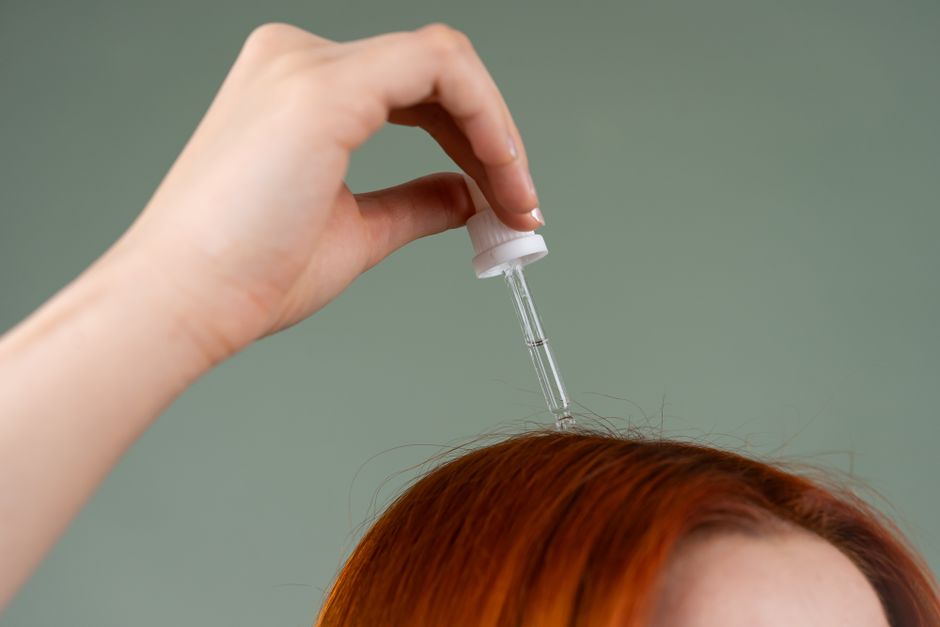
The most effective way to stop the hair loss is to treat the underlying psoriasis flare. When the skin clears, the itching stops, and the hair follicles recover. Treatment for scalp psoriasis usually starts with topical products applied directly to the scalp.
Medicated shampoos are often the first step. These typically contain ingredients like coal tar, salicylic acid, or selenium sulfide. They help soften and remove the scales, which reduces the physical blockage that causes hair breakage. It is important to massage the shampoo into the scalp gently with your fingertips, not your nails, to avoid further damage.
For more stubborn plaques, a doctor may prescribe a topical corticosteroid solution or foam. These are highly effective at reducing the inflammation that disrupts the hair cycle. Some people also benefit from vitamin D analogs, which are prescription creams that slow down the rapid skin cell growth.
In more severe cases, where topical treatments are not enough, other options exist. These include light therapy (phototherapy) or systemic medications that work throughout the body. These are usually reserved for people with extensive psoriasis or those who have not responded to topical care. A dermatologist can help determine which approach fits your specific situation.
-
 Is Bubble Skin Care Good for Kids? What’s Actually True
 -
How to Make Sunburn Go Away Fast (5 Tips That Actually Work at Home)
-
How to Choose Skin Care Products? Ways That Actually Help
-
How to Stop Hair Loss Due to Eczema? What Really Works Best
-
Blue Egyptian Plant for Skin & Wrinkles Reviews. Is It Scam?




Common Mistakes That Worsen Hair Loss
One of the biggest mistakes people make is trying to aggressively remove the scales. Picking at the plaques or using a fine-tooth comb to scrape them off can pull out healthy hair and damage the skin. This often makes the psoriasis worse, creating a cycle of more inflammation and more scaling.
Another mistake is using harsh styling products or heat tools on an already irritated scalp. Chemical relaxers, dyes, and high-heat styling can further stress the hair shaft and increase breakage. If your scalp is actively flaring, it is best to limit chemical treatments and use low heat settings.
Tight hairstyles can also be a problem. Pulling the hair back tightly in ponytails or braids adds tension to the hair follicles. When combined with the inflammation from psoriasis, this tension can accelerate shedding. Looser styles are gentler on the scalp during a flare.
When Should You See a Doctor?
If you have scalp symptoms and are unsure whether it is psoriasis, you should see a dermatologist for a diagnosis. Other conditions, such as seborrheic dermatitis or fungal infections, can look similar but require different treatments. A doctor can examine your scalp and confirm what you are dealing with.
You should also seek medical advice if your hair loss is sudden, patchy, or accompanied by a burning sensation. While psoriasis typically causes diffuse shedding, other forms of hair loss can happen at the same time. Conditions like alopecia areata can coexist with psoriasis and require a different treatment plan.
If your psoriasis is not improving with over-the-counter shampoos after several weeks, a doctor can prescribe stronger treatments. Waiting too long allows the inflammation to persist, which prolongs the hair shedding cycle. Early, consistent treatment is the best way to protect your hair and your scalp health.
Can Psoriasis on Scalp Cause Hair Loss Permanently?
Permanent hair loss from scalp psoriasis alone is very uncommon. The disease process does not typically scar the hair follicle. Most cases of hair loss associated with psoriasis are temporary and resolve with effective treatment of the skin condition.
However, permanent loss can occur as a result of behaviors related to the condition. Chronic, aggressive scratching or picking at the scalp can cause scarring in the skin. Once scar tissue forms, the hair follicle cannot regenerate, and that area will remain bald. This is why dermatologists emphasize gentle treatment of the scalp rather than aggressive debridement.
It is also worth noting that the stress of living with a chronic condition can contribute to other types of hair loss. Stress is a known trigger for telogen effluvium, which causes temporary shedding. Managing your psoriasis effectively can reduce this stress burden and help maintain normal hair growth.
Frequently Asked Questions
Will my hair grow back after a scalp psoriasis flare?
Yes, hair usually grows back fully once the psoriasis flare is treated and inflammation subsides. The hair follicles are not permanently damaged by the psoriasis itself.
Does scratching scalp psoriasis make hair loss worse?
Yes, scratching can pull out hairs and damage the skin, which increases shedding and can lead to scarring. Gentle treatment of scales is safer than picking or scraping.
How long does it take for hair to regrow after scalp psoriasis?
New hair growth typically becomes visible within a few months after the scalp clears. The complete regrowth cycle can take up to a year for the hair to return to its previous length.
What is the best treatment for scalp psoriasis hair loss?
Treating the underlying psoriasis is the best way to stop hair loss. Medicated shampoos and prescription topical treatments that reduce inflammation and scaling are the standard first-line options.
