
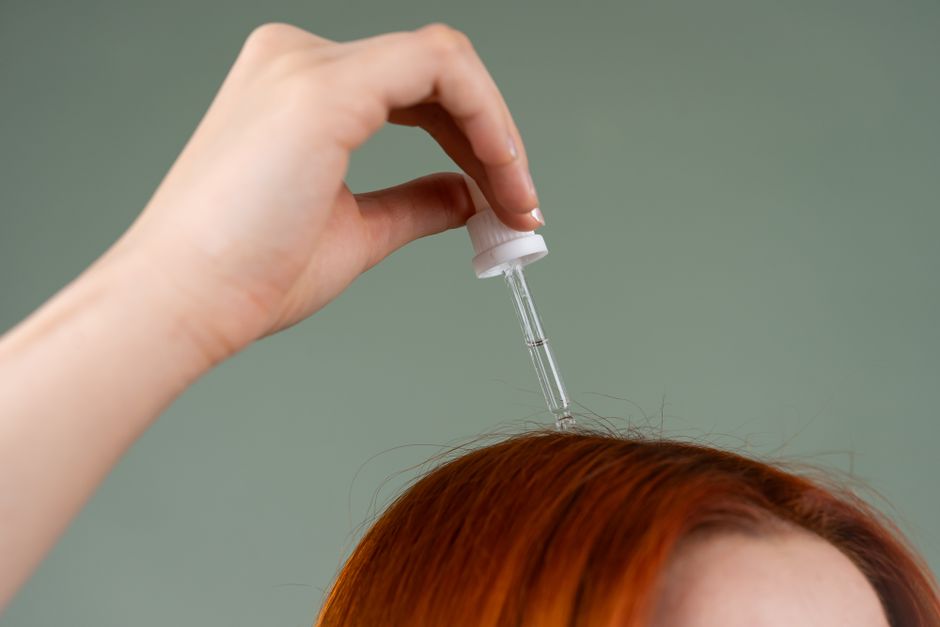
Hair loss from eczema can be frightening, but it is almost always temporary. The real solution is not about stopping hair loss directly—it is about calming the scalp inflammation that causes it. When you treat the eczema properly, the hair grows back on its own in most cases.
What Causes Hair Loss in People with Eczema?
The hair loss itself is not a direct symptom of eczema. It is a side effect of the inflammation and scratching. When your scalp has eczema, the skin becomes red, itchy, and swollen. This inflammation disrupts the normal hair growth cycle.
Scratching makes things worse. It damages the hair follicles and can pull hair out at the root. The American Academy of Dermatology explains that this type of hair loss is called traction alopecia when caused by pulling, or telogen effluvium when stress from inflammation pushes hair follicles into a resting phase.
Some people also develop a specific condition called scalp eczema or seborrheic dermatitis. This is a common form of eczema that produces greasy, yellow scales. It can cause thinning hair around the crown and hairline if left untreated.
The key point is that the hair follicle is usually not permanently damaged. Once the inflammation goes down, hair growth resumes. This is why treating the eczema is the only reliable way to stop the hair loss.
How to Stop Hair Loss Due to Eczema? What Really Works Best
The most effective approach is to control the scalp inflammation with medicated treatments. Topical corticosteroids are the first-line treatment prescribed by dermatologists. These reduce redness and swelling quickly, which allows the hair follicles to recover.
For mild cases, over-the-counter hydrocortisone creams can help. For moderate to severe scalp eczema, doctors often prescribe stronger steroid lotions or foams. These are applied directly to the scalp and are not the same as hair products you buy at the drugstore.
Another option that works well is calcineurin inhibitors like tacrolimus and pimecrolimus. These are non-steroid creams that reduce inflammation without thinning the skin. Research published in the Journal of the American Academy of Dermatology shows they are effective for scalp eczema and have fewer long-term side effects than steroids.
Antifungal shampoos also play a role. Many cases of scalp eczema involve a yeast called Malassezia. Ketoconazole shampoos, like Nizoral, reduce this yeast and help calm the scalp. Use them two to three times per week as part of your routine.
Does Scalp Scratching Cause Permanent Hair Loss?
This is a common fear, but the evidence is reassuring. In most people, scratching does not cause permanent damage to the hair follicle. The hair falls out because the follicle is inflamed or because the hair shaft is weakened by constant rubbing.
However, there is a real risk of scarring if the scratching is severe enough to break the skin. When you scratch until you bleed, you create open wounds. These can become infected and lead to scarring alopecia, which is permanent hair loss.
A study in the British Journal of Dermatology found that chronic scratching can cause follicular damage over many years. But this is rare. It usually only happens in people who scratch aggressively for years without treatment.
The practical advice is to stop scratching before you break the skin. Keep your nails short. Use cold compresses to calm the itch. And treat the eczema early so the urge to scratch never gets that strong.
-
 Does Psoriasis on Scalp Cause Hair Loss? What’s Actually True
 -
Can Scalp Psoriasis Cause Hair Loss? The Real Answer
-
Will Collagen Help Hair Loss? The Real Answer
-
How to Make Skin Care Products? What Really Works Best
-
PrimeBiome Reviews: A 2025 Critical Analysis, Real Results, Side Effects, and Is It a Scam?


What Hair Products Should You Avoid with Scalp Eczema?
Many hair products make scalp eczema worse. The worst offenders are products with fragrances, alcohol, and harsh detergents. Fragrance is one of the most common irritants for eczema-prone skin. Even natural fragrances like essential oils can trigger a reaction.
Look for shampoos and conditioners labeled fragrance-free, not just unscented. Unscented products often have masking fragrances that still cause irritation. The National Eczema Association has a seal of approval program for products that are safe for sensitive skin.
Avoid shampoos with sodium lauryl sulfate or sodium laureth sulfate. These detergents strip the scalp of natural oils and worsen dryness. Instead, use gentle cleansers labeled sulfate-free.
Hair styling products are another problem. Gels, hairsprays, and mousses often contain alcohol which dries out the scalp. If you use them, apply only to the hair shaft and avoid the scalp entirely. Heat styling tools also dry out the scalp and should be used infrequently.
| Product Type | Use These | Avoid These |
|---|---|---|
| Shampoo | Fragrance-free, sulfate-free, medicated with ketoconazole or zinc pyrithione | Fragranced shampoos, clarifying shampoos with sulfates |
| Conditioner | Fragrance-free, hypoallergenic, silicone-free | Conditioners with essential oils, parabens, or heavy fragrances |
| Styling products | Water-based gels, fragrance-free mousses | Alcohol-based sprays, gels with strong scents |
| Hair oils | Mineral oil, squalane, or MCT oil (fragrance-free) | Coconut oil, tea tree oil, or any essential oil blend |
Can Diet Changes Help Stop Hair Loss from Eczema?
Some people report that certain foods trigger their eczema flares. The most common triggers include dairy, eggs, soy, and gluten. If you have a known food allergy, avoiding that food may reduce your scalp inflammation and help stop hair loss.
However, the evidence for diet changes is mixed. A review in the journal Nutrients found that elimination diets only help about 30 to 40 percent of people with eczema. For many, food triggers are not the main cause. Randomly cutting out foods without guidance from a doctor is not recommended.
What does have stronger evidence is omega-3 fatty acids. These are anti-inflammatory compounds found in fish oil. Some studies suggest that taking omega-3 supplements can reduce eczema severity. The effect is modest, but it may help alongside standard treatments.
Vitamin D is another nutrient worth checking. Low vitamin D levels are linked to more severe eczema. A blood test can tell you if you are deficient. If you are, supplementing with vitamin D may improve your skin and reduce inflammation. The National Institutes of Health recommends 600 to 800 IU per day for most adults, though higher doses may be needed if you are deficient.
Common Misconceptions About Eczema Hair Loss
The biggest myth is that hair loss from eczema is permanent. As discussed, this is rarely the case. The hair grows back once the inflammation is controlled. If your hair has not returned after several months of clear skin, see a dermatologist to check for other causes.
Another misconception is that you should wash your hair less to avoid irritation. This is wrong. Not washing your hair allows oil, dead skin, and yeast to build up on the scalp. This makes eczema worse. You should wash your scalp regularly with a gentle medicated shampoo.
Some people believe that natural oils like coconut oil or tea tree oil are safe alternatives to medication. These oils can actually irritate eczema-prone skin. Tea tree oil is a common allergen. Coconut oil can clog pores and worsen seborrheic dermatitis. Stick to treatments that have clinical evidence behind them.
Finally, there is a belief that steroid creams cause permanent hair loss. Topical steroids do not cause hair loss when used correctly. In fact, they help stop hair loss by reducing inflammation. Prolonged use of very strong steroids can thin the skin, but this is rare with proper medical supervision. Never use steroids on your face or scalp without a doctor’s guidance.
Frequently Asked Questions
How long does it take for hair to grow back after scalp eczema?
Hair usually starts growing back within three to six months after the eczema is treated and the inflammation subsides.
Can shampoo alone stop hair loss from eczema?
Medicated shampoos help control the yeast and flakes but often need to be combined with topical treatments for full results.
Is it safe to use minoxidil for hair loss caused by eczema?
Minoxidil is not recommended for eczema-related hair loss because the alcohol base can irritate the scalp and worsen inflammation.
Should I see a dermatologist for eczema hair loss?
Yes, if your hair loss is sudden, if the scalp is painful, or if over-the-counter treatments have not helped after four weeks.
